
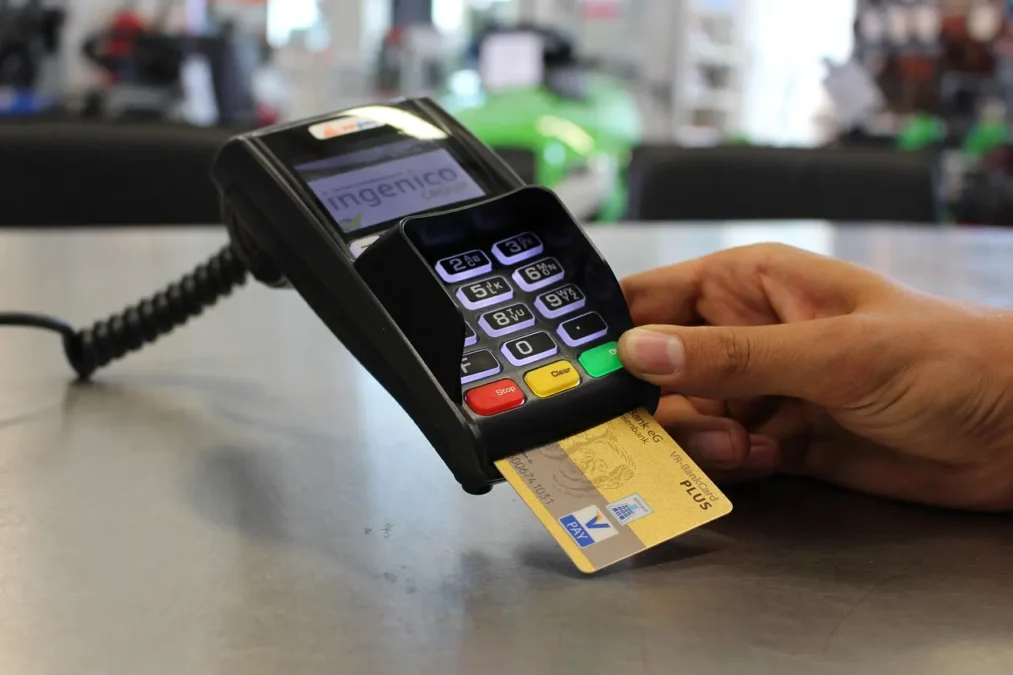
September 12, 2025 | UAE: The upcoming UAE banks card fee hike is on every traveller’s mind, and for good reason. Starting September 22, foreign transaction fees on cards will increase to 3.14%, up from 2.09%. That might sound like a small change, but for frequent flyers and online shoppers, the difference can quickly pile up. A Dh5,000 purchase abroad, for instance, could now cost an extra Dh157. With the UAE banks card fee hike, families heading on holidays or residents making international purchases need to plan smarter.
But don’t worry, there are still ways to beat the rise in fees. Here’s a guide to what the UAE banks card fee hike means for you, and practical steps to make sure your dirhams stretch further.
Related Stories

Why Are Fees Increasing?
The UAE banks card fee hike reflects global trends in foreign transaction costs. Banks are adjusting their fee structures to align with international systems, but this does mean higher charges for customers. For many, it feels like another hidden cost of travel and shopping abroad. While the fee itself is unavoidable, how you spend and which card you use can still make a big difference.
One of the best ways to sidestep the UAE banks card fee hike is by switching to cards with zero or low foreign exchange fees. Some UAE banks already offer travel-focused cards that waive these charges. If you’re a frequent traveller, looking into such options could save hundreds of dirhams each year. Always read the fine print sometimes the real savings are hidden in the details.
Maximise Cashback Benefits Abroad
If avoiding the fee isn’t possible, offset it. Some cards offer higher cashback on international transactions. For example, if you earn 3–5% cashback abroad, it can soften the sting of the UAE banks card fee hike. This approach is especially useful for those who shop online in foreign currencies or spend often while travelling. Think of it as reclaiming a portion of what you lose.
Related Stories


Say No to Dynamic Currency Conversion
At many shops, hotels, or ATMs overseas, you’ll be offered the option to pay in dirhams instead of the local currency. This “convenience” usually comes with inflated rates, sometimes adding up to 7% more. With the UAE banks card fee hike already pushing costs higher, adding Dynamic Currency Conversion (DCC) would make it worse. Always pay in the local currency to avoid double charges.
Using ATMs overseas can be costly. Each withdrawal may come with additional charges on top of the new 3.14% fee. If you must withdraw cash, do so in larger amounts less frequently to cut down on repeated charges. Small adjustments like this can make the UAE banks card fee hike easier to handle.
Related Stories

Explore Prepaid Travel Cards
Another smart alternative to deal with the UAE banks card fee hike is a prepaid multicurrency card. These allow you to lock in exchange rates before you travel, helping you avoid fluctuating costs and added fees. They are also safer than carrying cash, and many now come with app-based tracking for full control.

Keep Track of Your Card Fees
Before flying out or making big online purchases, check your bank’s latest foreign transaction policies. Being aware of the exact costs is key to planning better. A little preparation can save you from surprises when the UAE banks card fee hike comes into effect.
The UAE banks card fee hike may also push consumers to try new options like multi-currency wallets or upcoming systems such as the Jaywan card. These alternatives promise competitive rates and could reduce dependency on traditional card spending abroad. The change is a reminder to stay open to evolving financial tools that may work better for your lifestyle.
Related Stories

Also Read: Emirates ID Card Renewal Simplified: What You Need to Know?


