
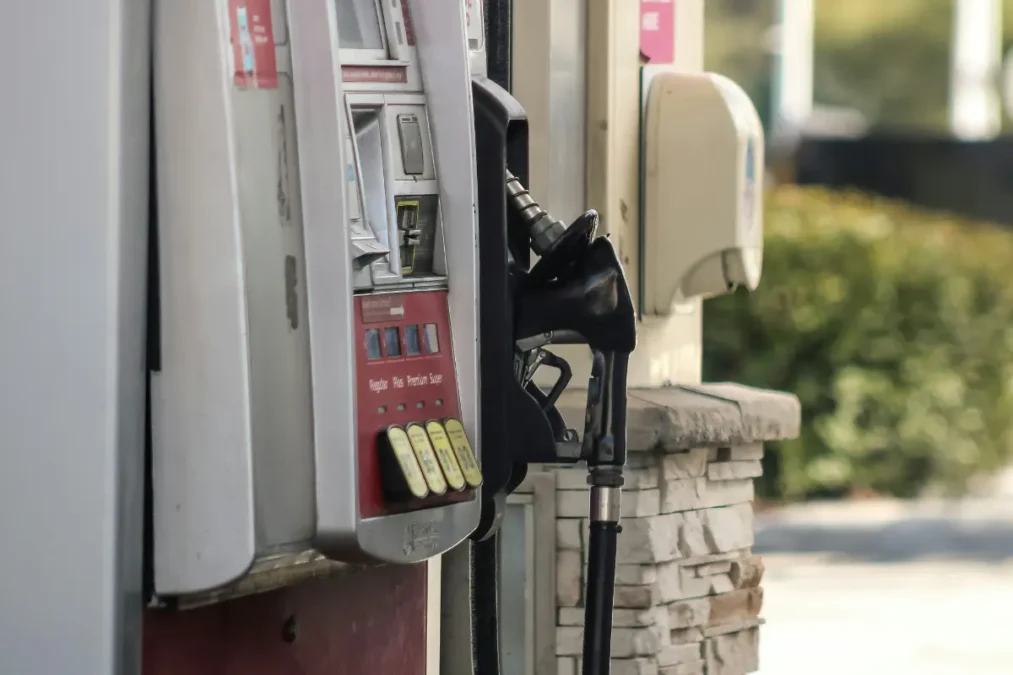
December 27, 2025, Dubai, UAE: Due to the impending 2026, the UAE is preparing, drivers and businesses are monitoring the upcoming UAE fuel price in January announced will be lowered on December 31, 2025. As there was only a slight increase in December, analysts estimate that the January 2026 price will not change much; that is, there will be barely any change at the pump.
December 2025 Price Baseline and OPEC Dynamics
The Federal Fuel Price Committee set December 2025 rates as follows:

| Fuel Type | December 2025 Price (AED/litre) | Change from November |
| Super 98 | 2.70 | +2.7% |
| Special 95 | 2.58 | +2.8% |
| E-Plus 91 | 2.51 | +2.9% |
| Diesel | 2.85 | +6.7% |
These figures represent increases from November, with diesel showing the largest jump at about 6.7 per cent. The December adjustments reflect price movements driven by slightly more expensive oil and supply risks that built toward year-end. Understanding these December figures provides essential context for predicting the UAE Fuel Price in January, as monthly pricing follows global market trends closely

The world oil market slightly increased towards the end of December, which may indicate a potential reversal in the UAE fuel price in January. The two primary indices, Brent and US crude, increased more than 4.5 per cent in the past several trading days of the month. That gentle increase, however, is not likely to result in such a huge jump on UAE fuel price in January .
According to industry data, there has been a lift in US crude stocks in recent times, and analysts expect the inventory to continue growing in the world in 2026. Such an anticipated inventory increase reduces the chances of a prolonged price increase. All in all, the trends of oil indicate that the UAE fuel price in January would remain near the price in December since the gains achieved towards the end of the year would be relatively low, given the increased world stockpiles.
Since the UAE is one of the primary oil-producing states, the actions of OPEC will have enormous effects on UAE fuel price in January. Any production reduction or increase can immediately spread around the world in prices. Unless OPEC decides to decrease its output to match the demand and supply, UAE fuel price in January ought to remain constant as we welcome the new year.
The recent decisions of the committee are in the hope of passing on the marginal savings on that stable supply outlook and reduction of the costs of acquisition in the global wholesale market. Nonetheless, unexpected steps or geopolitical instability may cause prices to shoot up and influence the January rate in the UAE.
Potential Price Scenarios for the UAE Fuel Price in January
Based on current market conditions, analysts have outlined three broad scenarios for the UAE Fuel Price in January:
| Scenario | Likelihood | Expected Change | Key Factors |
| Stable | Most Likely | Minimal or no change | Balanced supply and demand, moderate oil price range |
| Small Increase | Possible | Slight upward adjustment | Supply issues in Venezuela, geopolitical tensions intensify |
| Slight Reduction | Less Likely | Minor downward adjustment | Larger stockpile builds, cooling post-holiday demand |
In a stable scenario, oil prices remain within a moderate range due to balanced supply and demand, suggesting the UAE Fuel Price in January would maintain December levels or show minimal variation.

A small increase remains possible if supply issues in Venezuela worsen or geopolitical risks intensify, which would lift benchmark prices enough to nudge the UAE Fuel Price in January higher. Industry experts note this scenario is on the table, but not considered the most likely outcome.
A slight reduction is less likely but not impossible if confirmed stockpile data shows larger-than-expected builds or if demand cools after the holidays. Such conditions would place more downward pressure on diesel than petrol. Unless crude makes a stronger move, petrol and diesel rates are expected to remain broadly unchanged when determining the UAE Fuel Price in January.
Margins to refining, costs of converting crude into pump-ready fuels such as Super 98 and Special 95, have been improved in the recent past. The efficiency of operation goes to the ultimate price calculation, which helps to soften any other internal expenses. In theory, therefore, the tighter margins might force the UAE fuel price in January a notch downwards.
The committee considers refining costs, international crude prices and local operating costs when charging monthly rates. Under the existing favourable refining conditions, a small gain can trickle down to the consumers, and the impact will probably be slight as opposed to being a dramatic one.
Regional Demand Patterns and Ripple Effect
In the Middle East, the consumption of fuel is a seasonal phenomenon during the high travel periods. Although January is not a high-traffic month, tourism, commercial haulage, and logistics remain the drivers of a large portion of the demand, and that is what determines the UAE fuel price in January.
The rise in prices can be caused by the growth of regional infrastructure and the growth of road traffic. The demand in the region may continue to be high towards the end of 2025, and this may affect the increase in January price or whether it remains stagnant. The overall stability in the UAE economy favours stable demand for fuel in construction, logistics development, and business.
For regular UAE citizens commuting in their regular sedans with a 60-litre fuel tank, even a minor price fluctuation can lead to both savings and expenses that can be realised with time. A 7-fil per litre change will save approximately AED 4.20 per full tank.
The commercial operators are the more direct sufferers. The high cost of large trucks or heavy machinery, which burn hundreds of litres each day, has significant changes in monthly costs that are associated with the January price. Ride-hailing and taxi drivers who fuel regularly are directly affected by a price decrease, and their profit margins are automatically sharpened, which makes fares competitive.
The fleet managers in the logistics companies are closely monitoring the January announcement due to the fact that fuel is a high operational cost. Constant or marginally low rates serve to contain inflation and make haulage of goods shipments smooth in the Emirates.
Monthly Review System and Professional Prediction
The UAE has aligned local rates to the global oil prices through monthly adjustments since fuel price deregulation in September 2015. This is also the pattern of the January price, whereby the Federal Fuel Price Committee announces the rates at the end of every month via the Emirates News Agency.
In the course of 2025, UAE fuel prices were fluctuating according to the global markets with peaks during the mid-year period, relaxation during the next months and stabilizing in December. The January price will reflect this continued correspondence, along with considering regional turnings.

In July 2022, Super 98 reached the highest price in its history of AED 4.63 per litre. It is estimated that the price of the January 2026 will be much lower than these peaks due to the higher global supply and the continued stability of the market.
The market analysts forecast that the price of January would be very close to the level of December. Experts agree that rates will either be stable or slightly below the curve if the growth prospects of the world grow slowly. There is nothing likely to be dramatic as per the prevailing indicators.
The Federal Fuel Price Committee will announce the price in January on December 31, 2025, and the rates will be in effect at the beginning of January 2026. The prices will remain the same in all seven emirates, providing uniformity to the residents and businesses across the country.
No predictions can be made, but considering the world trends, OPEC action, refining margins, and domestic demand, it is possible to have a good idea of what to expect. There will be relative stability in the motorist world as the new year commences, and any changes will likely remain small without being a game-changer.
Read More: GCC Trading Market Reports Mixed Results with Oman’s Rise Offsetting Qatar’s Decline