
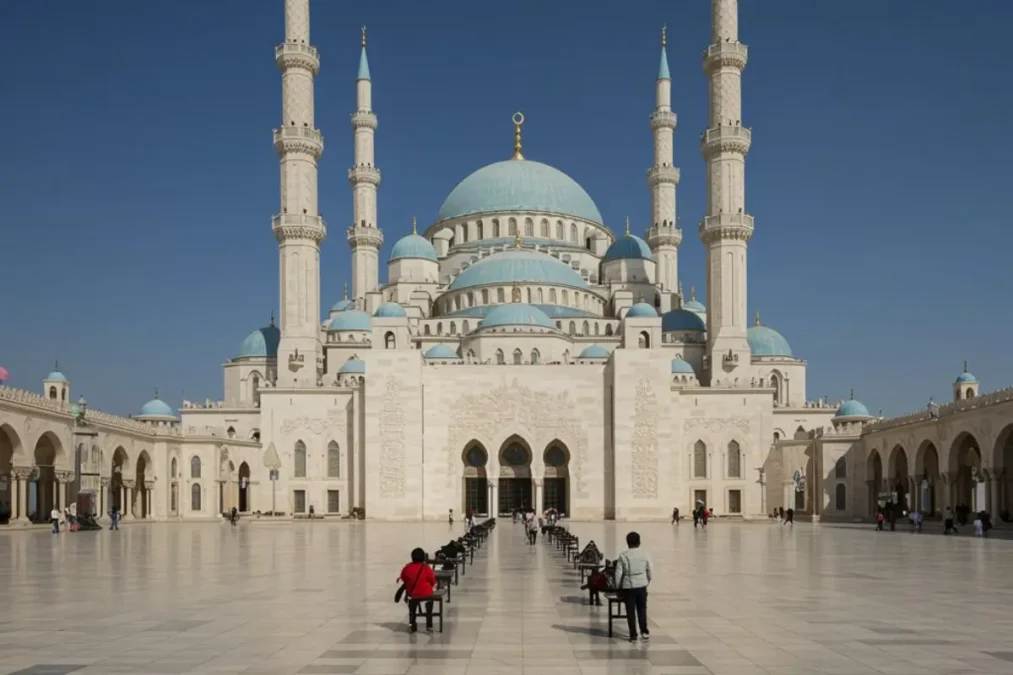
A glass dome rises twenty metres above Al Nasr Mosque in Sharjah, marking its presence quietly. The minaret stands carved with care, not shouting but whispering tradition. A courtyard waits within, calm under open sky. Just before Ramadan begins, doors swing wide for prayer. Inside, new shapes hold old echoes, steel and stone meeting devotion without fuss.
A Landmark Inauguration in Sharjah
A fresh white dome now rises above Jabal Omar – the Al Nasr Mosque opens its doors for prayer after final touches were completed. January 21, 2026, saw officials gather under clear skies as Sheikh Sultan bin Ahmed bin Sultan Al Qasimi arrived to begin ceremonies. Not long until Ramadan, the timing feels quiet yet purposeful. Sharjah gains more than stone and arches; it gains space shaped for stillness. Right now, Al Nasr Mosque in Sharjah opens its doors just when people are getting ready for more prayer in the sacred season.
Related Stories

Not only does it serve faith, but also stands out with bold design, catching eyes throughout the region. Residents notice it and so do those pass through. Its presence feels quiet yet strong. A place to reflect, yes – though some see shape and shadow before anything else. Even early on, footsteps gather here, drawn by stillness or structure, maybe both.
Architectural Vision Defined by Light
Right off the bat, the Al Nasr Mosque in Sharjah grabs attention with a bold dome covering almost 80 percent of its rooftop space. Taking up over 7,800 square metres, the building centers around this standout feature. A sphere made of glass forms the dome, 20 meters wide, climbing close to 16 meters into the air. Instead of flat sections, it uses interlocking hexagons set in a pattern like a beehive. What holds it together is a network resembling that kind of grid, giving shape and strength. Sunlight slips through windows during daylight hours, yet the space transforms when evening arrives.
As shadows stretch, warmth floods the room – a glow people often say quiets their thoughts. Architecture here works quietly, guiding feeling through beams and angles instead of words. At dusk, light lingers longer than expected, touching walls like a slow breath.

A Contemporary Minaret in Modern Form
A stone’s throw from the dome, a minaret stretches skyward – 38 metres of quiet defiance against rigid geometry. Rising beside it, this tower avoids sharp angles, choosing instead soft arcs shaped like wind through fabric. Its form spirals gently upward, not forced but guided, echoing the dome’s fullness without repeating it. What you see is motion held still: a curve that climbs, not just builds.
The whole shape feels modern not because it tries, but because it listens to space, to balance, to where tradition can bend. A quiet strength runs through the design, seen in straight edges, unbroken walls, and shapes that fit together without effort. Not far off, the idea shaping Al Nasr Mosque in Sharjah taps into something wider across the UAE – older meanings held close even as new looks take form.
Related Stories

Spacious Prayer Facilities for Worshippers
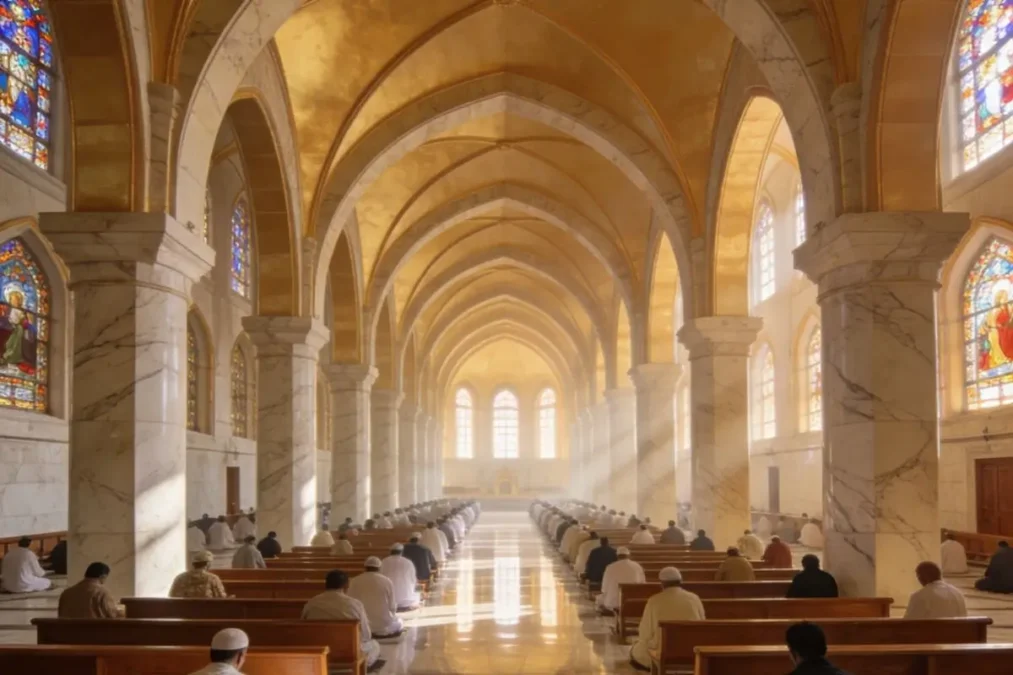
Twelve rows of worship stretch through the central prayer area at Al Nasr Mosque in Sharjah, built wide on purpose, quiet by design. Sunlight slips in without blockage where a round window of glass meets the wall pointing toward Mecca, widening the air even more. 1,325 is the number of people that can fit inside this place of worship altogether. Inside, the big room holds 470 souls at once. Outside spaces add more room – nearly 1,180 men may gather when courtyards open up. For women, there’s a separate area built just for them that fits 145 worshippers at a time.
Community needs shape these choices, making space for everyone who comes. Folks living in Al Dhaid, along with nearby communities, often turn to Al Nasr Mosque Sharjah because it offers what they need. Its setup makes the mosque stand out as a key place for worship and gathering. With steady access and clear support, people find their routines fitting well here. Not just prayers, but moments that shape daily life happen within its walls. Location helps too – easy reach adds to why so many rely on it. What grows there is more than routine – it becomes part of identity.
Futuristic Mimbar with Modern Interior Elements
What stands out inside Al Nasr Mosque Sharjah is the mimbar, used by the imam when giving sermons. Instead of carved wood typical in older designs, it takes a different path – clean lines shape its form while gentle light blends into the structure. Its look leans toward simplicity, almost like something from another time, yet fits quietly within the space. Out past the curve of the roof, the shape fits right into the dome’s clean new look, holding the mosque’s visual idea together. Not built to impress but to serve, the mimbar’s plain form speaks to how today’s sacred spaces balance use and grace without tipping one way or the other.
Related Stories
Community Reactions and Spiritual Atmosphere
One visitor said the quiet light made them pause right at the entrance. Though built recently, the feel inside reminded some of places they knew long ago. As the sun dipped below the skyline, voices rose in prayer, filling corners softly. Some stood still after bowing, eyes closed, hands open. Not every moment passed quickly – a few simply stayed seated, watching shadows grow longer across stone floors. Some noticed how light filters through the glass dome, filling the space with calm that slows time just enough for deeper thought.
Where sharp lines of new design meet quiet reverence, people find themselves pausing, drawn in without force. Al Nasr Mosque Sharjah stands now not by statement but presence, remembered after silence settles.
Courtyard, Landscaping and Public Amenities
Outside the main rooms for prayer, Al Nasr Mosque in Sharjah holds quiet open-air spots made with care. Water trickles softly in a small courtyard right by the front, meeting guests as they arrive. Green lawns stretch beside paved walkways, while solid benches offer rest under evening skies. People often sit together there when daylight fades, drawn by calm air and shared stillness. A quiet corner holds space for washing before prayers, while nearby restrooms stand ready. Just beyond, a room waits for those preparing the deceased with care. A steady flow of drinking water runs close by. The imam lives within walking distance, steps from daily duties. Books line shelves in a small reading spot open to everyone.
Parking spreads out where visitors can leave their cars without fuss. Washbasins here do more than host ritual cleansing – they tie people together. This is not just prayer walls and carpeted floors. Al Nasr Mosque Sharjah grows into something wider – a hub shaped by need, used often, built to stay.
A New Place to Gather This Ramadan
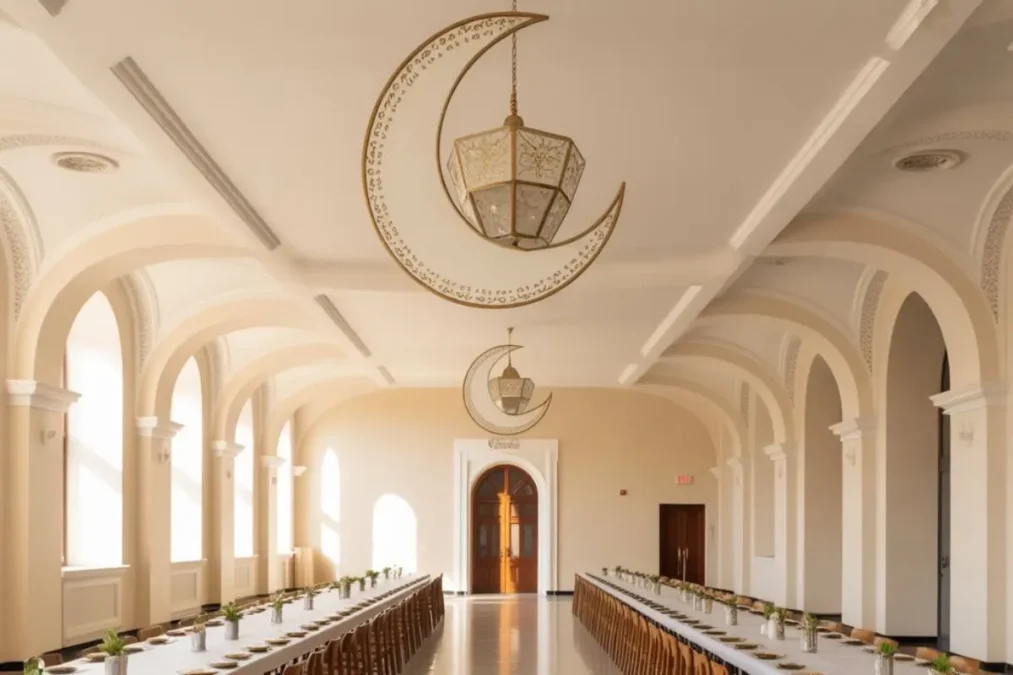
As Ramadan draws near, people in Sharjah are likely to turn toward Al Nasr Mosque for quiet reflection and shared moments. Because of how sunlight moves across its walls and courtyards, the building takes on a calm presence just before evening prayer. Where structure meets sky, there’s room for stillness – especially when the day ends and meals may be shared nearby. A fresh silhouette rises along Sharjah’s skyline – Al Nasr Mosque stands as a present-day expression of sacred design, where heritage meets inventive form through shared purpose. Before Ramadan arrives, its doors open so people may step into spaces shaped by calm, thoughtfulness, and togetherness.
Also Read: Best Locations to See the Ramadan Moon: 11 Top Spots Across the UAE