
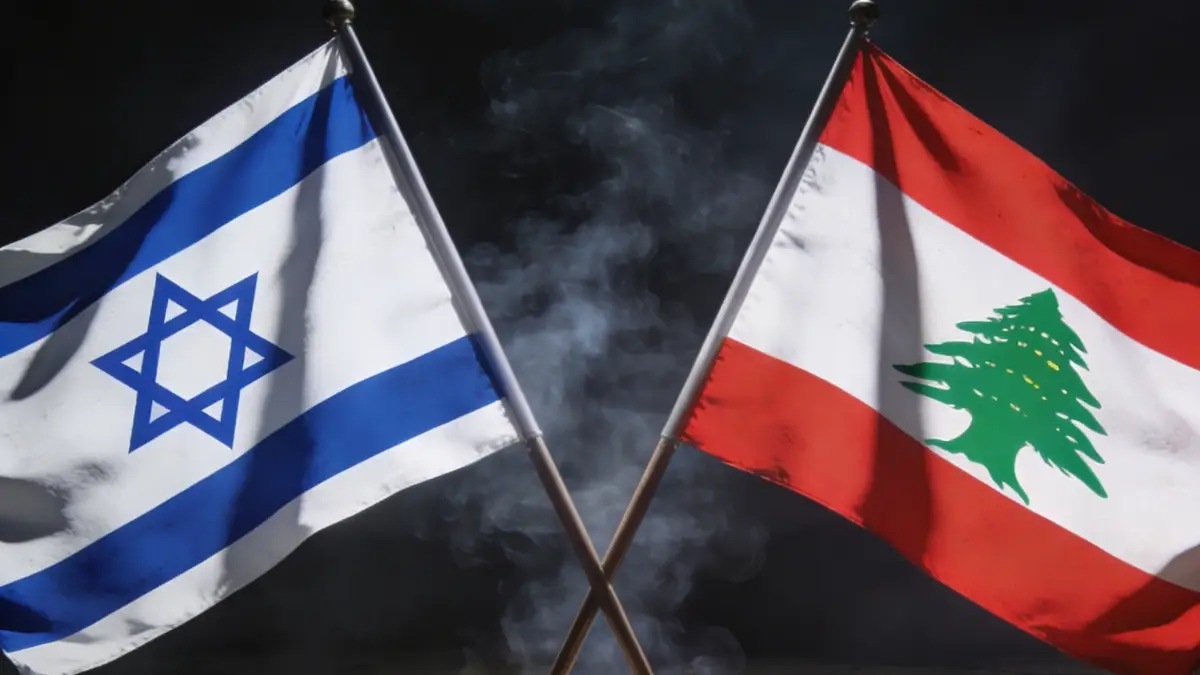
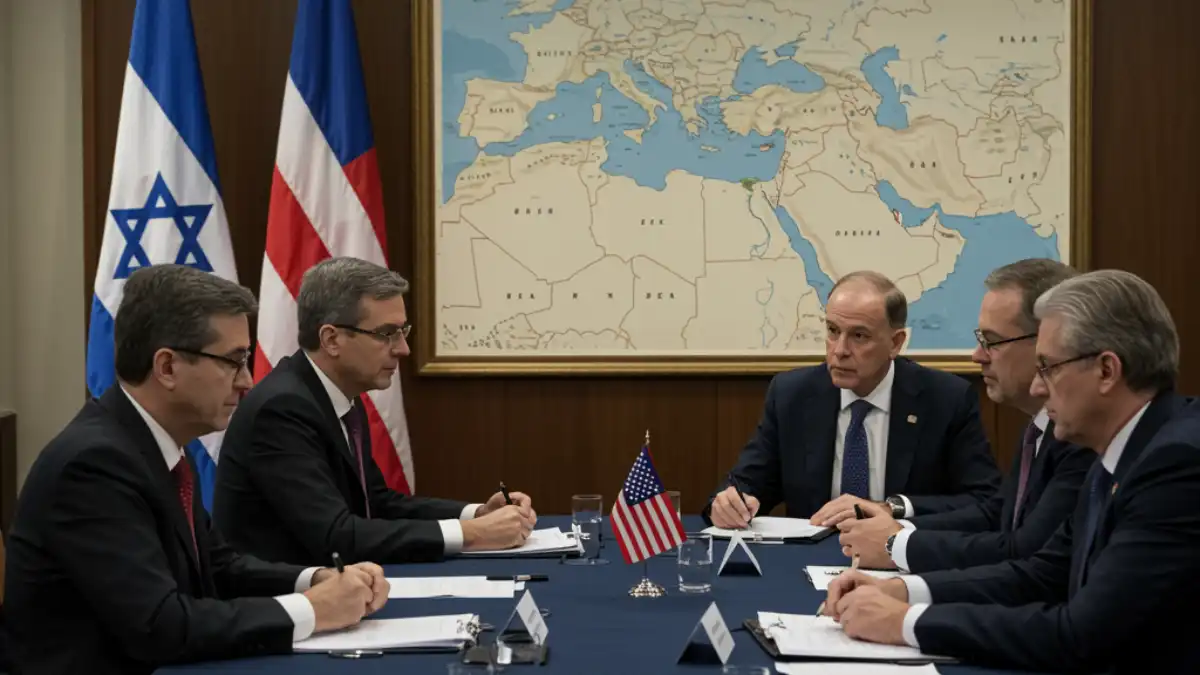
Israel, Lebanon extended ceasefire for three weeks at a meeting at the White House brokered by US President Donald Trump, who said he was prepared to wait for “the best deal” to end his conflict with Iran.
Fighting between Israel and Iranian-backed Hezbollah militants in Lebanon has been one of many sticking points to resolving the wider eight-week regional conflict, along with Iran’s nuclear ambitions and control of the crucial Strait of Hormuz.

White House Secures Three-Week Ceasefire
Trump said he was in no rush to reach a peace agreement and wanted it to be “everlasting,” while continuing to assert that the US had a clear upper hand in the naval stand-off in the strait.
A day after Iran flaunted its tightened grip over the key shipping corridor, Trump dismissed the threat posed by Iran’s “little wise-guy ships” and said he believed Tehran was hamstrung from making a deal because its leadership was in turmoil.
On Thursday, he said the US could knock out in a day any refurbishing of weapons that Iran may have made during a ceasefire in place since April 8.

But navigation in the passage remained effectively blocked, and the Iranian capture of two huge cargo ships was a reminder that the US struggling to keep control of the strait even as Tehran continues to cause trouble for oil markets and pose major strains to the global economy.
Meanwhile the Philippine government has said 15 Filipinos were on the two vessels and believed to be safe and that it expected the ships to be cleared soon.

Oil prices resumed their rise on Friday as the ceasefire remained shaky with the blockade of the strait unresolved.
Markets React to Rising Gulf Tensions
The US dollar was moving closely with oil prices, on track for its first weekly gain in three weeks, with dampened hopes for an immediate easing of tensions leading to increased safe-haven demand.
Iran’s use of a swarm of small, fast boats to seize the container ships cast doubt on Trump’s suggestions that US forces have disabled its naval threats and underscored Tehran’s evolving tactics in the strait as it countered US interception of Iran-linked oil tankers and other vessels.
Related Stories

Khamenei Rejects Claims of Leadership Disarray
Iran’s new Supreme Leader Ayatollah Mojtaba Khamenei on Thursday rejected Trump’s claim of disarray in the leadership, describing it as “the enemy’s media operations” to maliciously undermine Iranian unity and security.
“Unity will become stronger and more solid, and enemies will become weaker and more humiliated,” he said in a post on X, as he remained out of the public eye since taking over from his father, the late Ayatollah Ali Khamenei, who was reportedly killed by US strikes in the early days of the war that began on February 28. However, there are conflicting reports on his killing as some claim he is still alive.
Also Read: Dubai Police Crack Down on Reckless Drivers, Issue Warning