RTA and Dubai Airports are aligning plans for DXB and Al Maktoum International. As a result, the RTA Dubai Airports integration 2026 aims for a seamless road-to-runway transition you barely notice.
Getting to a Dubai airport has never been the relaxing start to a journey. Many travelers imagine a smoother start when they book a flight. Traffic on Sheikh Zayed Road can delay you. A last-minute lane change can force a quick decision. The quiet panic of wondering whether the Metro will actually get you there in time can be stressful. The two men who run the systems responsible for all of that just sat down together to make sure the next chapter looks considerably smoother.

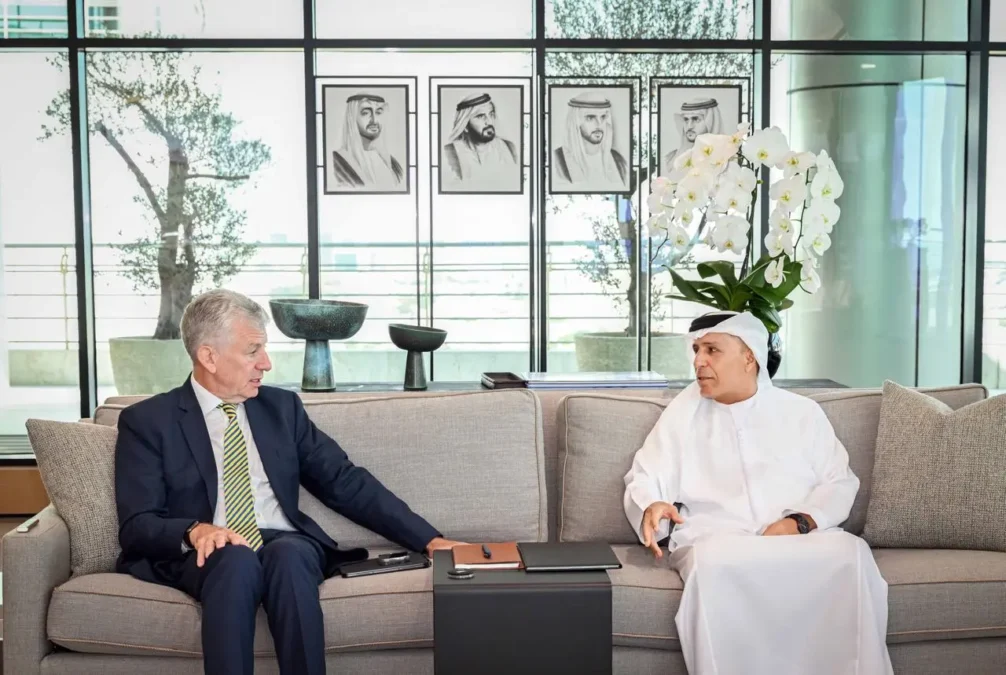
His Excellency Mattar Al Tayer, Director General and Chairman of the Board of Executive Directors of the Roads and Transport Authority, met with Paul Griffiths, Chief Executive Officer of Dubai Airports, on September 17th to discuss how their two organisations can work more closely together.
They focused specifically on improving traffic flow to and from Dubai International Airport and building out the transport infrastructure that will eventually serve Al Maktoum International at Dubai World Central.
Two Airports, One Very Big Ambition
The conversation covered both of Dubai’s major aviation hubs but the future-facing discussion centred significantly on Dubai World Central and Dubai South, the area that is quietly becoming one of the most strategically important parts of the emirate.
Al Tayer was direct about why. The rapid urban and economic growth spreading through Dubai South means RTA is already deep into planning a transport network capable of serving what will eventually be one of the world’s busiest airport corridors. Roads, public transport, integration across every mode, the groundwork is being laid now, well before the passenger volumes arrive. RTA Dubai Airports integration 2026.
His framing was characteristically focused. Dubai’s leadership has set a direction, and the infrastructure being built today is designed to honour that direction for decades ahead.
What Griffiths Said — and Why It Matters
Paul Griffiths articulated something that every frequent traveller already instinctively understands but rarely hears an airport CEO say out loud. The journey does not start at the departure gate. It starts the moment a passenger decides to leave their front door.
“Close collaboration with RTA is essential to shaping a seamless, integrated travel experience for our guests, from the moment they set out for the airport and throughout every stage of their journey,” he said. He also spoke specifically about the goal of building what he described as a flexible, future-ready mobility ecosystem, one that raises standards for ease of access, efficiency and passenger service while supporting the central roles of both DXB and DWC as global gateways.
That language matters because it signals alignment rather than parallel planning. Two organisations with enormous individual mandates choosing to build toward a shared vision of what getting to and from a Dubai airport should actually feel like.
Delegates Present in the Room
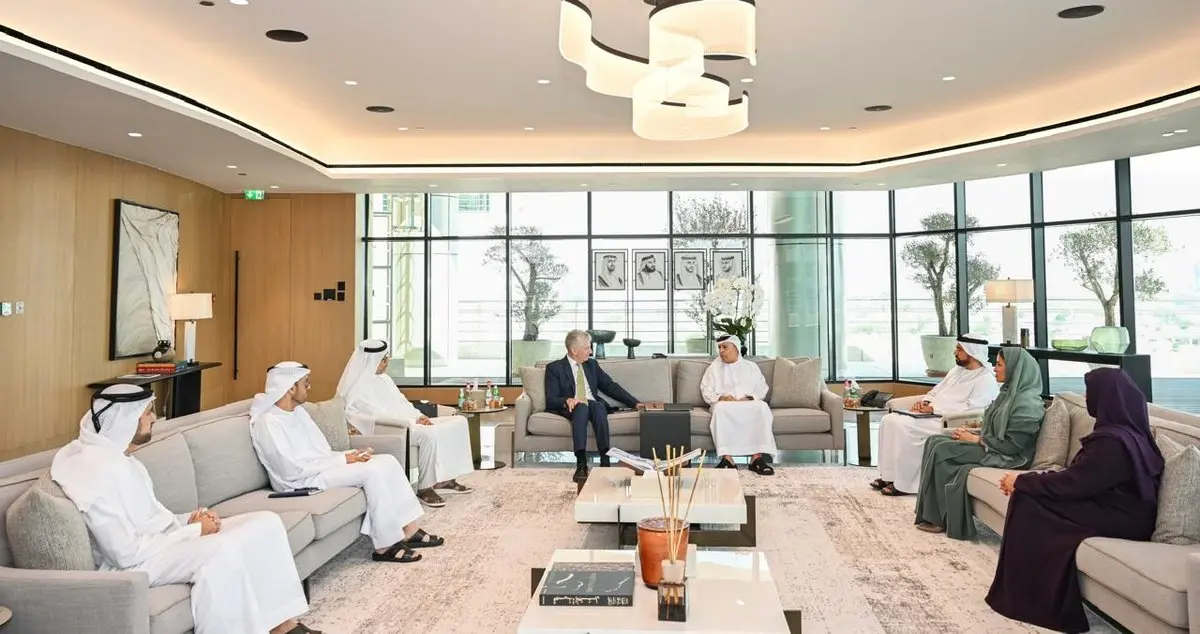
The meeting brought together senior leadership from both organisations, creating a platform for strategic discussion and mutual understanding. Majed Al Joker, Chief Operating Officer of Dubai Airports, attended alongside Griffiths, demonstrating high-level engagement from the partner sides.
RTA was represented by Abdul Muhsen Kalbat, CEO of the Rail Agency; Moaza Saeed Al Marri, CEO of the Executive Affairs Sector; Hussain Al Banna, CEO of the Traffic and Roads Agency; and Muna Al Osaimi, CEO of Strategy and Corporate Governance. Their participation highlighted the breadth of executive involvement.
Rail, roads, traffic and strategy all in one room with aviation. That is not a routine check-in. That is the kind of meeting that produces decisions people eventually notice when their airport commute starts feeling unexpectedly painless. Dubai has a habit of making that kind of thing happen.