
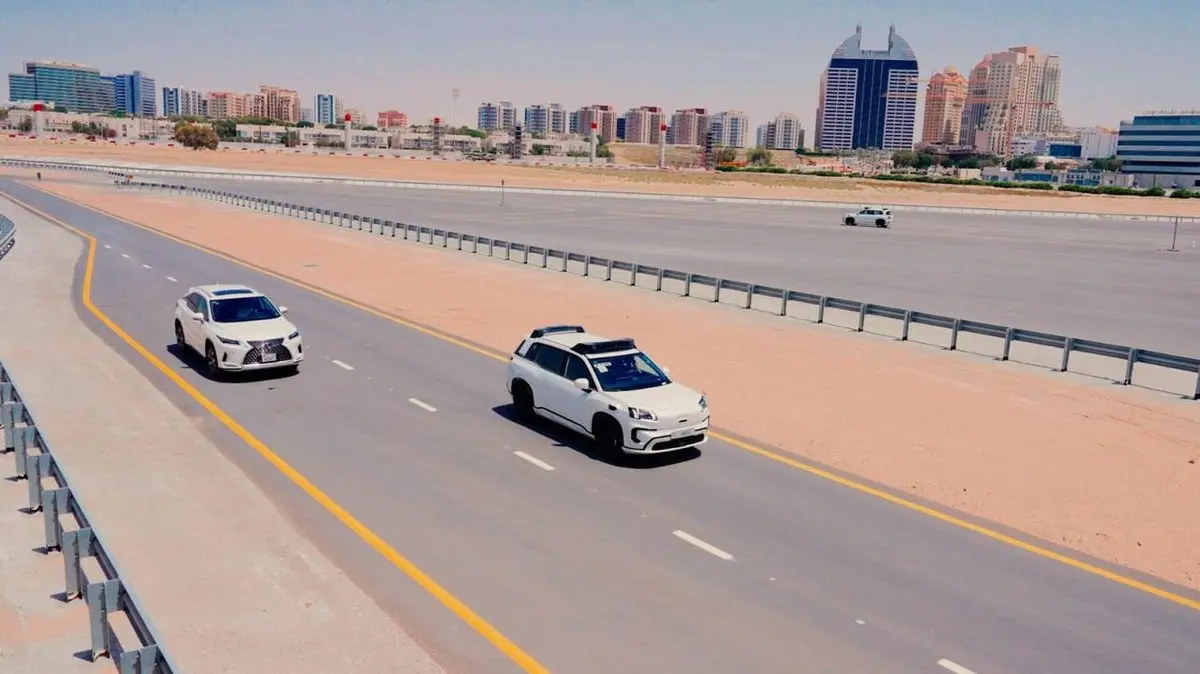
Cameras, sensors and a digital platform will be monitoring how the delivery bikes are ridden and the rules will become mandatory from June 2027.
If you’ve ever ordered food or groceries in Dubai, you’ll have been waiting at the door for a delivery rider at some point. Very soon those riders on their motorcycles will be riding with technology that records how they ride. The RTA has just announced a new system for monitoring Dubai delivery motorcycle riders, with the aim of improving road safety and providing companies with better data. That’s the current state of play.

What the System Is
The RTA describes it as a three pronged approach: a digital platform, IoT monitoring devices and an array of advanced cameras on the motorcycles themselves. It was developed in conjunction with Dubai Police and other authorities. Saeed Al Ramsi, Director of Licensing Activities Monitoring at the RTA, referred to it as “a step-change in the monitoring of delivery activity”. In essence it’s the end of the spot check and the beginning of constant data.
What It Will Track
The devices will monitor speed, sudden acceleration, hard braking, driving style, location and route. That enables authorities and delivery firms to identify unsafe behaviour as it occurs rather than after the fact. What the cameras actually record or how the footage is stored is not mentioned so these details in relation to the Dubai delivery motorcycle monitoring is not clear yet.
Optional Now, Mandatory Later
There is a transition period. The installation of the devices and the connection to the platform is optional until the end of the first half of 2027 (i.e. end of June 2027) after which it will be mandatory. Arabian Business refers to July 2027. The RTA says the transition period is for companies to get ready, and they will continue to work with them. So, the Dubai delivery motorcycle monitoring rules aren’t going in overnight.
Related Stories


What Companies Get
For the delivery companies it’s a management tool. They can see the fleets and riders in real time, take action early, assess riding behaviour and then go on to build training and awareness programmes. In other words it’s a tool to help the company to coach the riders, not just a tool to catch the bad behaviour. That’s a major part of the Dubai delivery motorcycle monitoring concept.
What Regulators Get
The RTA also has a database of delivery operations which it says will support regulatory policy, more efficient inspections and safer practices and is a step away from the traditional model of inspection to one of proactive, data driven monitoring. Al Ramsi noted that the success of the initiative will depend on the cooperation of the regulators, the delivery companies and the riders.

What We Do Not Know Yet
There are still a number of questions. There is no information of cost of the devices, who it’s going to cost, penalties for non-compliance, the number of motorcycles or riders it will cover, or the privacy and data protection rules. Those are the bits that will matter to the companies and the riders. Until the RTA comes forward with more, Dubai delivery motorcycle monitoring is still just a framework with all the details to be worked out.

What It Means for Everyday Residents
For the vast majority of people, the change will be nothing at all apart from hopefully safer roads. It’s a system that’s targeting a group that is in traffic all day and better data would allow the RTA to see where the problems are. If you drive, cycle or walk in areas near too busy delivery routes then the Dubai delivery motorcycle monitoring is specifically aimed at making those areas safer.
The Bottom Line
Dubai is making delivery bike safety a data project with a clear date for when it will become mandatory. The headline is straightforward: more tracking, more training and hopefully safer roads for all.
Related Stories
Also Read :Hajj Emergency Response Hits Record 2.5 Minutes with UAE Paramedics

