
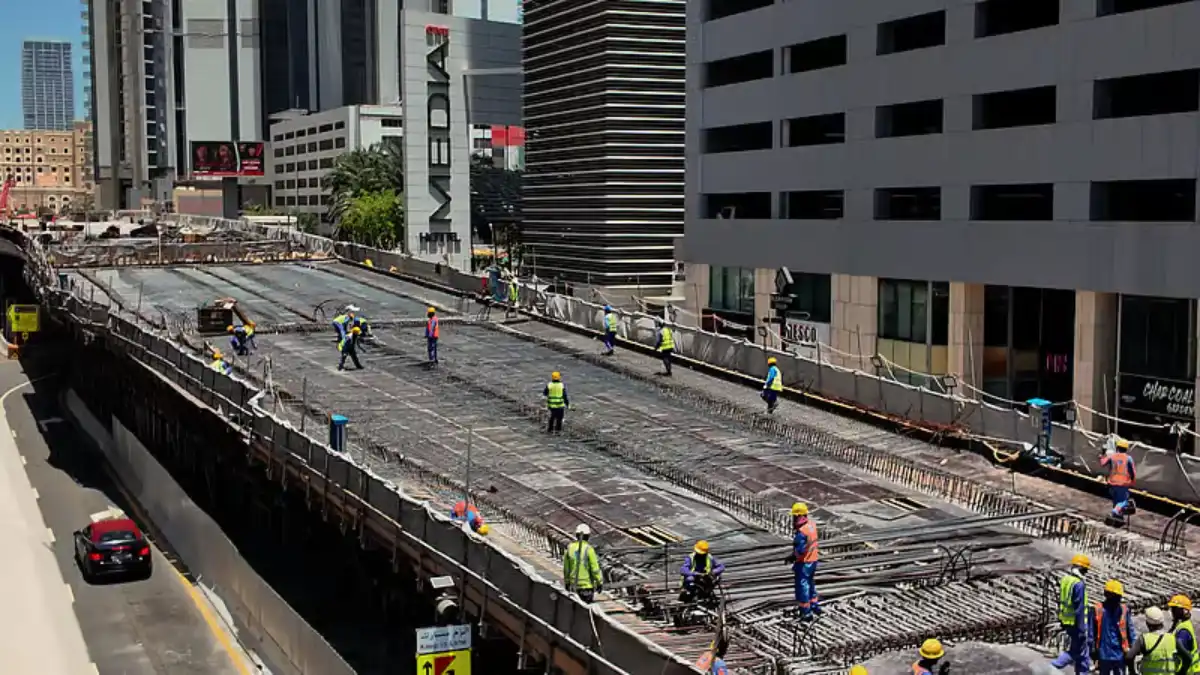
Federal and Regional Authorities Roll Out Eight New Bridges, Interchange Overhauls, and Upgraded Arterials to Increase Road Capacity by 90 Percent Across Interstate Corridors.
Major Infrastructure Push Targets Interstate Bottlenecks
Those who regularly commute between Dubai and Sharjah are already seeing improvements in their journey time thanks to the UAE’s multi-stage transport improvement programme which aims to ease congestion through new roads.
Related Stories

The UAE Ministry of Energy and Infrastructure has initiated an ambitious improvement scheme on Al Ittihad Road (E11) focusing on the busy junction of Al Nahda. In stage one of the scheme, eight new bridges and 4.5 km of service roads have been added. Following completion of the project, the road’s capacity is set to rise by 90 per cent to 190,000 cars a day.
Commute times on key sections of the road will also be cut dramatically to three minutes from the current 15 minutes during busy periods with these new roads.
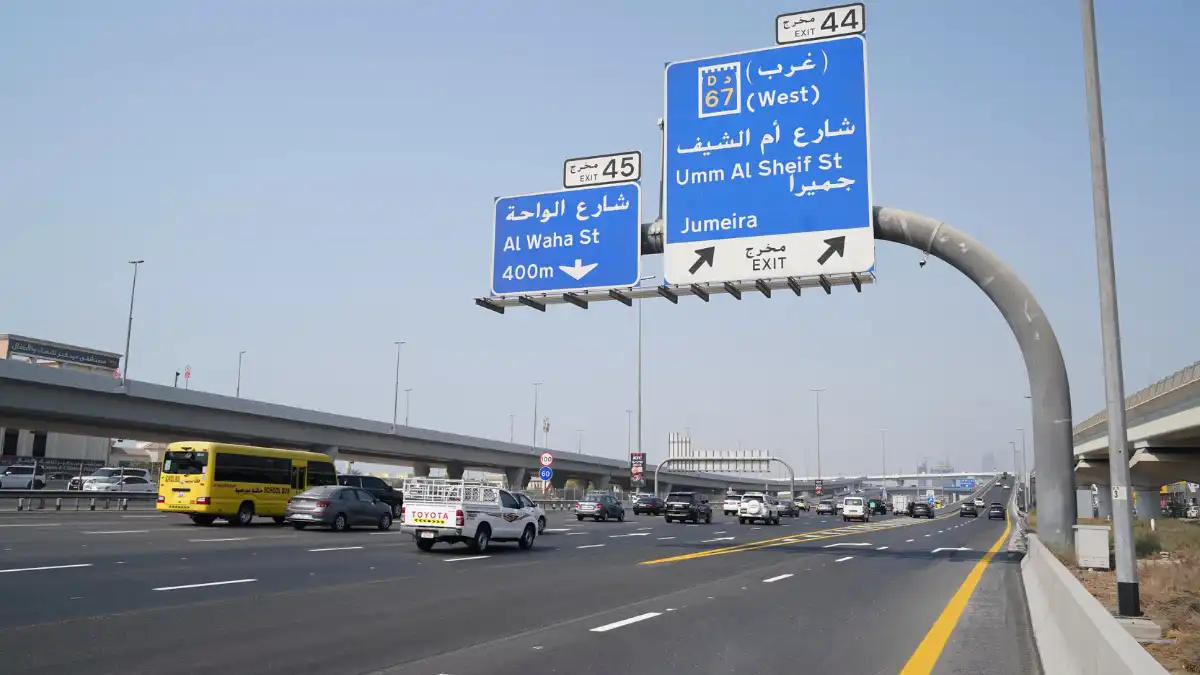
Sector Breakdown of Active Dubai-Sharjah Traffic Improvements
Both emirates are working on specific schemes to manage traffic flow:

Al Ittihad Road (E11): Federal government specifications for eight new bridges will increase the throughout capacity of Al Nahda Interchange by 65 per cent to 310,000 cars per day.
Al Taawun Interchange and Expo Corridor: In Phase 1, the Sharjah government has already connected roads enabling limited access to the Expo Centre Sharjah from the Sheikh Mohamed bin Zayed Road.

Al Khulafa Al Rashideen Interchange: Extension of an interchange and construction of a 315 metre bridge providing direct access to Jamal Abdul Nasser Street has increased capacity to 2,600 cars per hour in each direction as these new roads come.
Emirates Road and Parallel Arterials: Road widening and junction improvement works are being carried out to encourage re-direction of large scale goods and business traffic from out-of-town residential areas.
Transport and city planning experts underline that improvement to the Dubai-Sharjah pinch point will boost the economy.

During busy hours, those travelling on improved sections of Al Ittihad Road can benefit from an extra 12 minutes on their commute thus giving back both private and work related time for many people.
As general traffic problems ease, hauliers expect to reduce expenditure and improve the speed at which goods are delivered on inter-state supply chains.
Long-Term Mobility Outlook for Cross-Emirate Commuters
Although phase one and tendering have both made good progress, transport specialists emphasise a number of important aspects which will further ease people’s commutes:
- Phased Building Schedules: Phase one contractors must comply with challenging requirements so that roads can continue to function during the building period for large bridge components in addition to the new roads.
- Public Transport Synergy: Road enhancement is being undertaken simultaneously with long term investment in public transport, thus prompting people to transfer from their cars to higher capacity rail and bus systems.
- Economic and Demographic Growth: The developments respond directly to the on-going demographic and economic growth between Dubai and Sharjah through new roads.
As construction progresses at key points along the route, motorists travelling between Dubai and Sharjah should see a steady easing of peak hour traffic congestion without these new roads.
Also read: UAE Security Exercise Begins Today, Residents Told to Put Cameras Away