
Abu Dhabi Talks on Ukraine: Trilateral negotiations in UAE emphasize progress yet reflect entrenched divisions over territorial control and the future of the Zaporizhzhia nuclear facility
Productive First Day of Abu Dhabi Talks on Ukraine, Kyiv Says
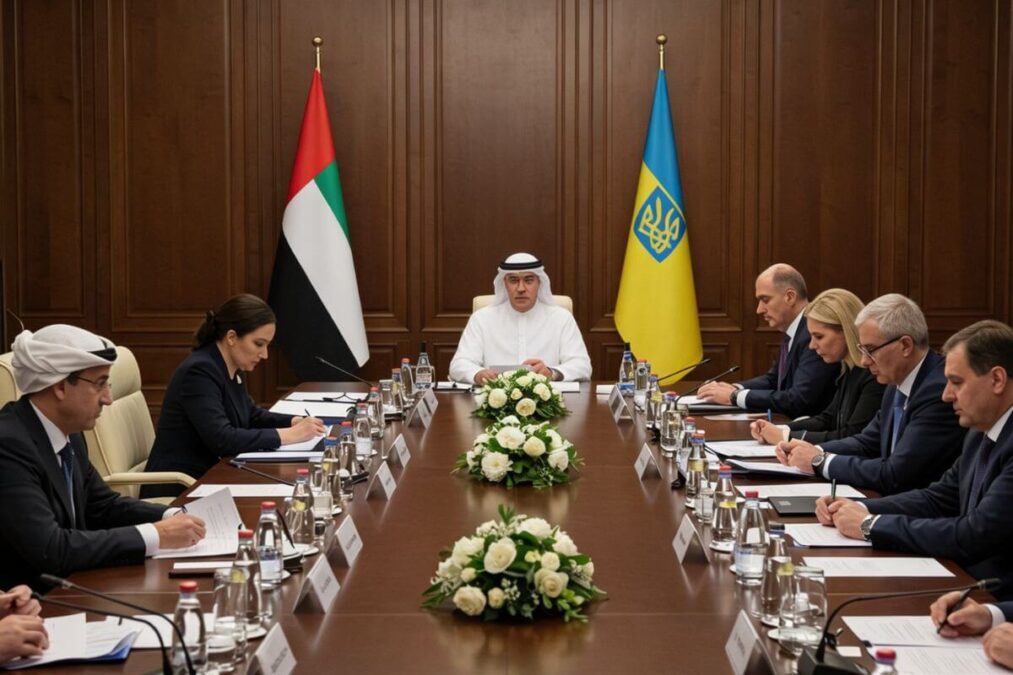
In the UAE, the first day of the Abu Dhabi talks on Ukraine ended with Kyiv’s lead negotiator describing proceedings as “substantive and productive,” even as many disagreements persist in between Ukrainian and Russian delegations. Head of Ukraine’s National Security and Defence Council, Rustem Umerov, conveyed optimism about the starting round of discussions mediated by the officials of U.S., highlighting practical steps toward resolving largest armed conflict of Europe since World War II.
Abu Dhabi talks on Ukraine commenced in opposition of the backdrop of intense fighting and diplomatic pressure. In spite of aspiration that renewed engagement could ease warfare, forces of Russia struck civilian infrastructure in eastern Ukraine exactly hours later the talks started, killing and injuring many numbers of civilians. Ukrainian authorities straight away condemned the attack, showing the deep disconnect between diplomatic efforts and battlefield realities.
Abu Dhabi Talks on Ukraine
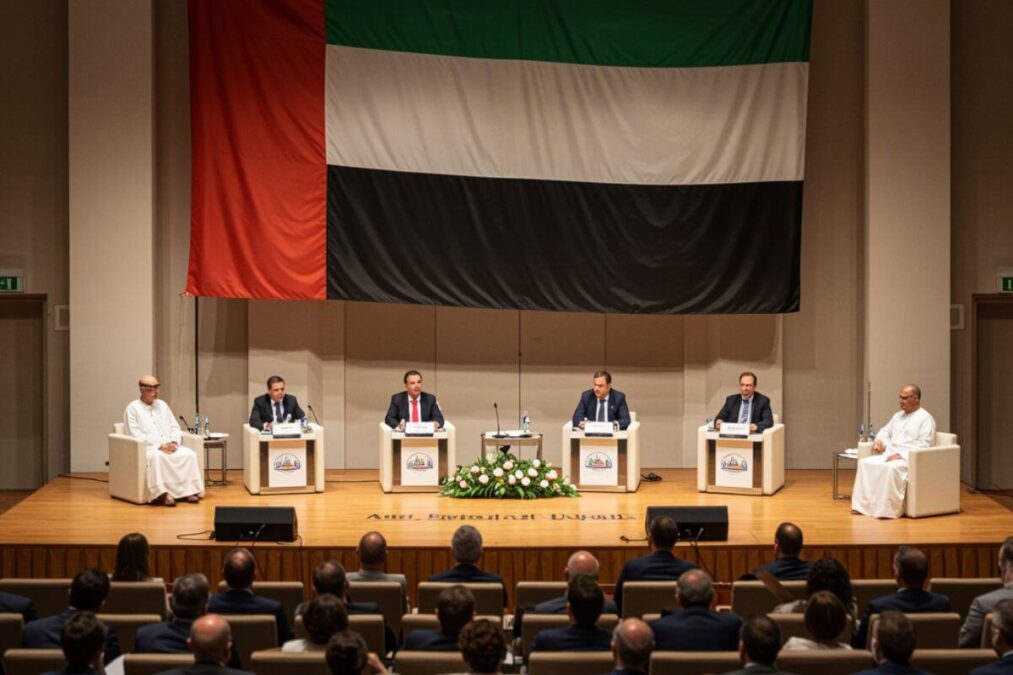
Abu Dhabi talks on Ukraine carried on where earlier attempts had stumbled. Not much came from those prior sessions, yet here they go again – trying to ease things down. For two days straight, representatives from Ukraine, Russia, and the United States sat together, talking through tense points. Hosted quietly in the UAE capital, the meeting moved forward with behind-the-scenes help shaping each step.
Volodymyr Zelenskiy, leader of Ukraine, keeps stressing progress must be real – because past pauses in fighting, like the American-supported halt on attacks involving power plants, got used by Russian troops to rebuild weapons supplies. Tuesday showed why he worries, Kyiv reported a wave of long-range missile hits unlike anything seen before, proof that even with talks happening, the war hasn’t slowed one bit.
Not long after the meetings, Umerov noted how the discussions in Abu Dhabi centered on actual moves forward – clear actions rather than vague promises. Productive, he called it, meaningful too. Over a post on X, he shared thoughts about progress rooted in real exchange, not just showy statements. Kyiv wants results you can see, not empty talk. Steps matter more than speeches there now.
Key Contentions: Territory and Nuclear Safety
Facing stubborn divides, the mood stayed civil during first day of Abu Dhabi talks on Ukraine. Still, core disagreements remain sharp where the war hits hardest. Russia insists Ukraine surrender areas under its current command – though officials in Kyiv shut that down fast. Talks inch forward, yet positions stay locked.
The future of Europe’s biggest nuclear plant sparks fierce debate. Though situated in land held by Russia, its operations stir deep unease. Officials on Moscow’s side pushed for deals reducing Kyiv’s role. This shift alarms experts who fear weaker checks could risk safety. Control slipping away raises questions about who truly watches over the reactors.
Alike, Moscow’s insistence on Ukrainian military withdrawal from the whole Donetsk region—including fortified urban areas regarded as important defensive strongholds—represents a non-starter for Kyiv. Leader of Ukraine maintain that any unilateral pullback would endanger their defensive posture and undermine sovereignty over internationally recognized territory.
In comparison, Ukraine’s stance in the Abu Dhabi talks on Ukraine has been to advocate for a “frozen conflict” along the current frontline, without accepting additional territory. Andrii Sybiha, Ukrainian Foreign Minister, emphasized this position in latest remarks, asserting that Kyiv would not voluntarily cede ground, even as battlefield conditions yield.
Russian Response and Continued Fighting
The Kremlin’s approach to the Abu Dhabi talks on Ukraine emphasize a dual strategy of negotiation and continued pressure of military. Kremlin spokesperson Dmitry Peskov reiterated that Russian forces would maintain hostile operations until Kyiv denoted willingness to accept terms Moscow deems acceptable. This posture highlights Moscow’s belief that negotiation must go along with coercive leverage, a view that intricates diplomatic efforts.
Nearly 20% of Ukrainian territory is still occupied by Russia, that also includes Crimea—annexed in 2014—and also some parts of the eastern Donbas region that were confiscated prior to and during the large-scale invasion that started in 2022. Since early 2024, Russia has distended control by approx. 1.5% of Ukraine’s landmass, despite notable losses and difficulty on the battlefield, notes analyst.
Officials of Ukraine counter narrative of Moscow, with Sybiha describing that Russia is “not winning its war against Ukraine” and emphasizing the steep costs Moscow is incurring in terms of fatalities and economic disruption. This framing aims to shift global perceptions by portraying Ukraine as resilient and capable of sustaining defensive pressure in the long term.

Public Doubt Meets Diplomatic Caution
Still, many people in Ukraine doubt the Abu Dhabi meetings will lead anywhere. Talks about peace feel distant when maps start shifting without consent. Surveys point to widespread rejection of deals giving land to Russia. Hopes stay low because past promises broke too easily. A deal with concessions? Most say no, even if quiet settles in later. Residents in Kyiv and other big cities have showed doubts that diplomatic engagement will conclude in significant progress, given the entrenched positions of both the sides.
Serhii, a taxi driver in Kyiv said, “Let’s hope that it will change something, of course. But I do not believe it would change anything now,”, highlighting the broader public sentiment of caution and resolve. Many Ukrainians emphasize that concessions are unlikely to bring peace if they undermine national security or sovereignty.
Global Shifts and Hidden Power Moves
Midway through changing world ties, Abu Dhabi talks on Ukraine surface. Not long ago, a virtual meeting linked China’s Xi Jinping with Russia’s Vladimir Putin, deepening their alignment – signaling Beijing might play peacemaker. Moscow confirmed Xi offered backing, adding that Putin plans a trip to China later this year.
Out of nowhere, Beijing steps in – not to observe, but to guide, shaping outcomes through subtle trade shifts. As Moscow wrestles rising defense spending and a fiscal hole possibly tripling its expected deficit within years, support from abroad stops being optional. It simply becomes what must happen. That shift might quietly redefine Abu Dhabi talks on Ukraine.
Also Read: Elon Musk Dubai Loop Project: Revolutionary High-Speed Travel Set to Change City by 2026