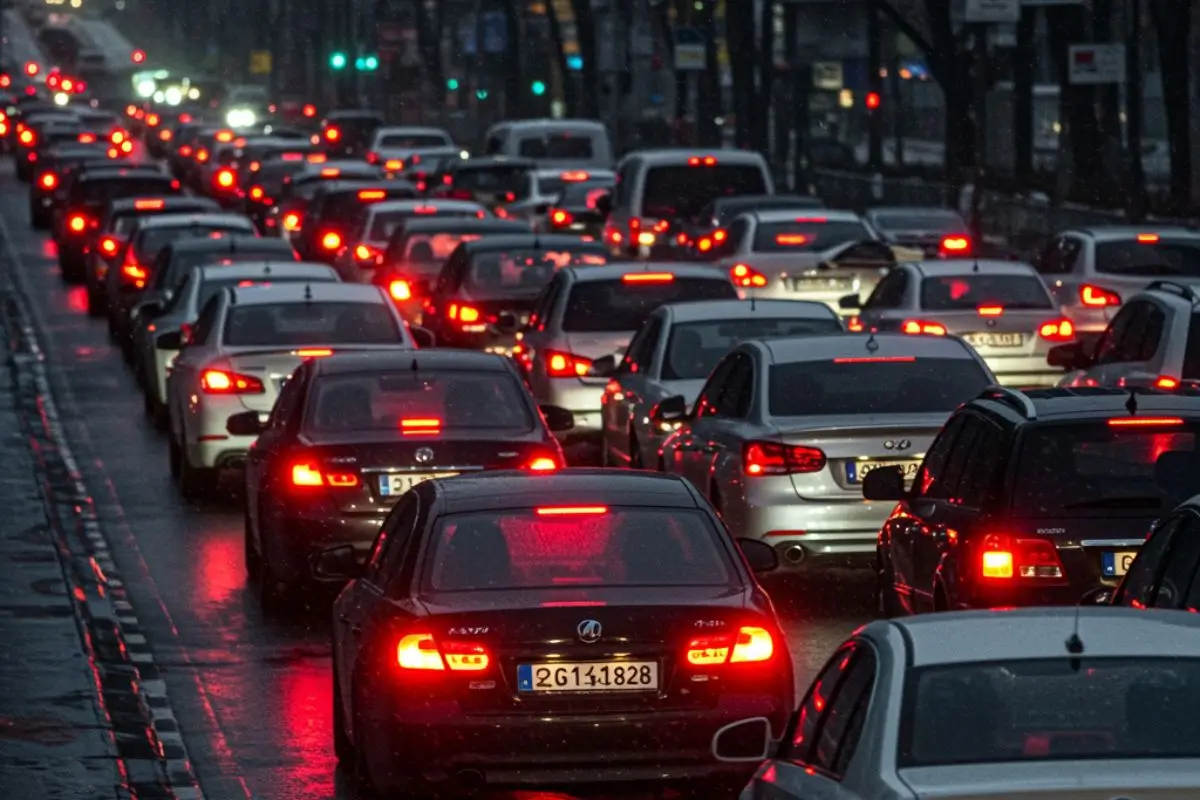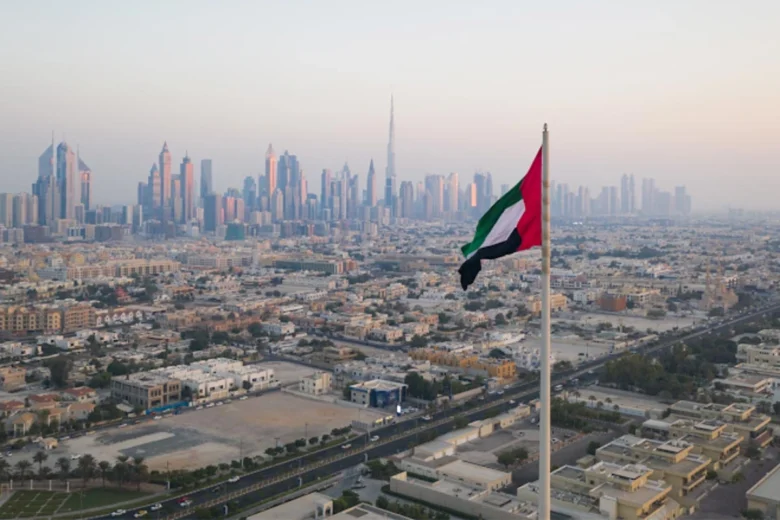
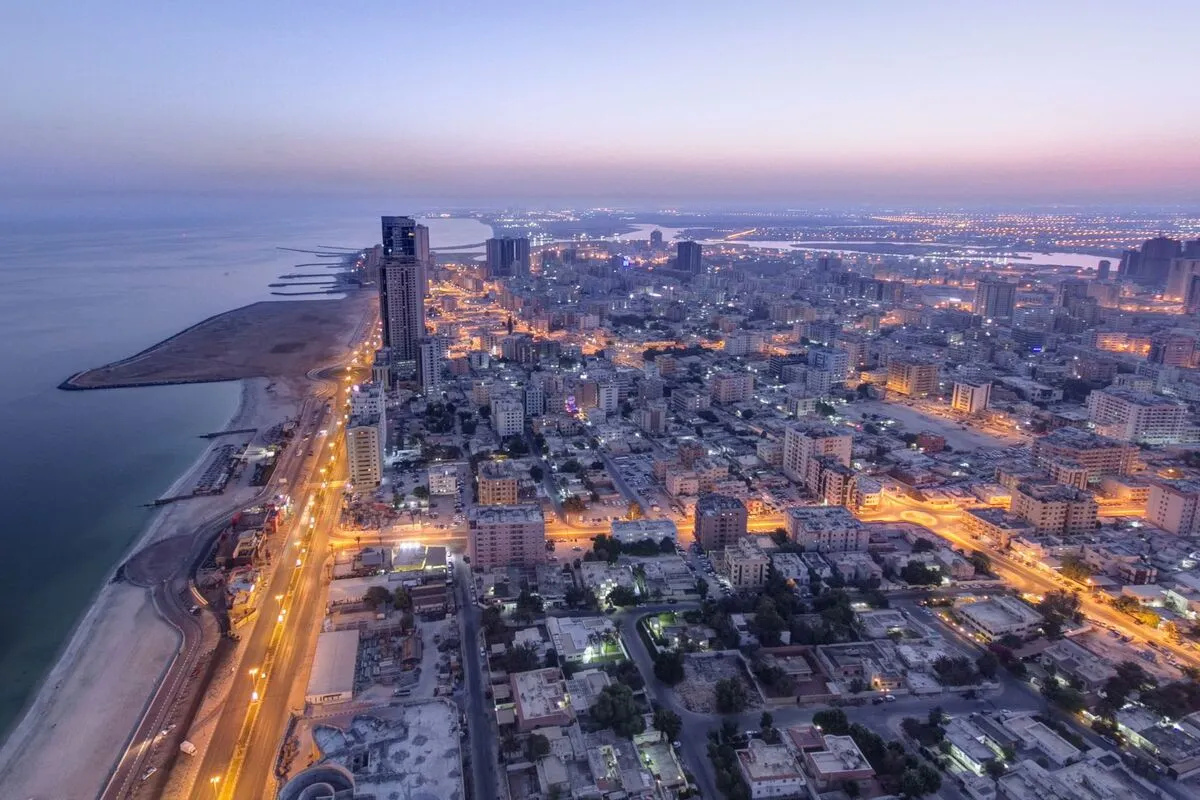
UAE February 20th, 2026: Ajman is in a new era of urban development to redesign neighborhoods to find a means of cutting the travel times and walkability among the population. Traffic and the cars have always been part of daily life in the emirate school runs to work commutes but more recent planning initiatives suggest a new direction toward more integrated and walkable neighbourhoods.
Built-In Urban Plan Paves Way To Walkability
The core of the initiative is the integrated Urban Plan of the emirate, which is a long-term model with the focus on walkability, mobility and quality of life. According to the officials, the strategy is based on steering future growth within specifications of redesign neighborhoods instead of sporadic outward growth. This will reduce the traveling distances and will take the strain off the infrastructure and will bring services that can be easily accessed by walking to it. Sheikh Rashid bin Humaid Al Nuaimi, the Chairman of Ajman’s Municipality and Planning Department recently reviewed the Integrated Urban Plan of the Emirate.
The Executive Director of the Infrastructure Development Sector in Ajman, Dr Eng Mohammed Ahmed bin Omair Al Muhairi pointed out that it is not only the roads that the plan is all about. He said, our goal is to focus urban development in organised centres and redesign neighbourhoods that promote walkability and community life. He pointed out that when residents are able to walk to access their daily needs such as schools and healthcare, then the use of private vehicles reduces and the general standard of life increases.
Redesign Neighborhoods To Support Transportation
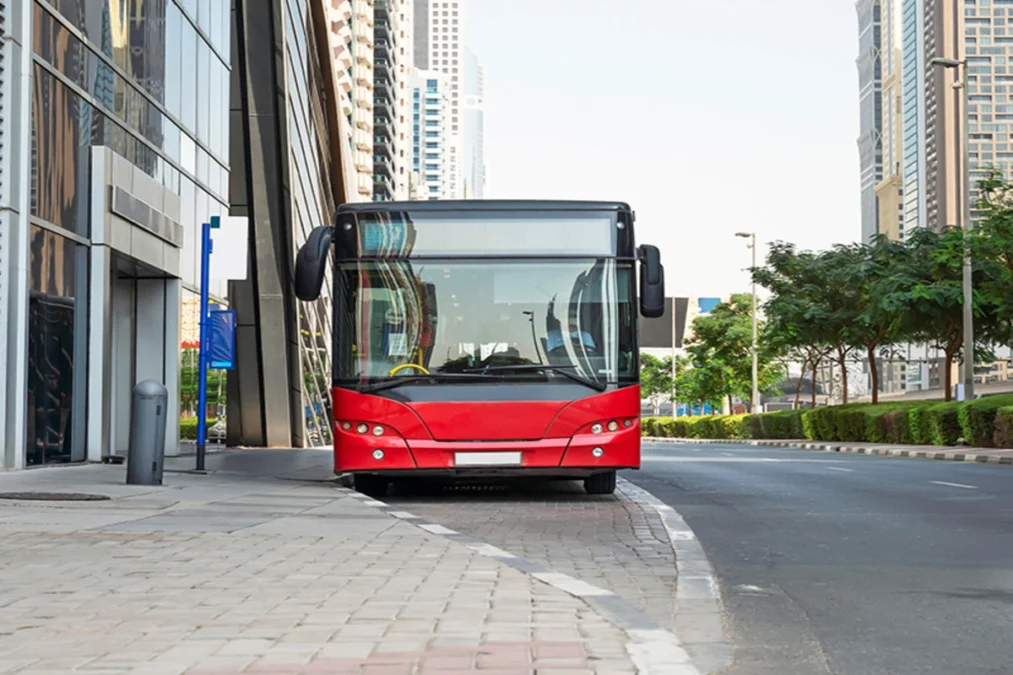
The redesign of Ajman revolves around transportation planning. The emirate is committed to developing a multi-modal transport system that is low-carbon in nature and puts more emphasis on public transport, walking accessibility, walk paths and cycling, and the use of personal vehicles. Data systems and artificial intelligence will also be used by the officials to track traffic trends and predict future infrastructure requirements, transforming the process of planning into a more dynamic and responsive process. The process to redesign neighborhoods shall support transforming transportation.
The extent of new development within approved areas of growth will be measured through performance benchmarks and the number of residents who are able to walk to such important services, which will support the importance of walkability as a successful measure.
Reinventing Older Districts To A Walkable Future
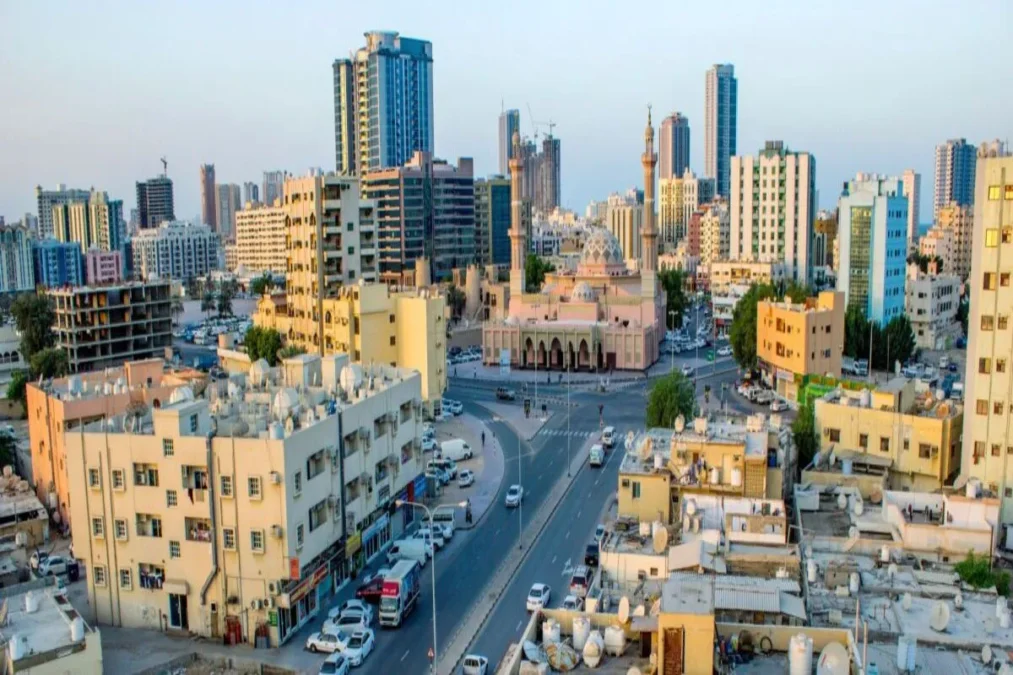
The integrated plan of Ajman does not only stick to new areas, but also to the older districts that were developed many decades ago. The new redevelopment policies are meant to modernise the infrastructure and open spaces without compromising the identity of the emirate. These changes to redesign neighborhoods are likely to increase the level of walkability in the city by improving accessibility and community amenities by improving the design of the streets.
Finding A Middle Ground Between Livability And Growth
As Ajman has been receiving more and more residents due to its accommodation facilities and convenient location, stress on the road and other social amenities has increased. The planning system of the emirate such as to redesign neighborhoods is aimed at creating a balance between expansion on the one hand, and sustainability on the other to safeguard green areas and enhance walkability so that the communities could be shaped around people rather than cars.
When effectively done, the residents are likely to enjoy reduced daily commutes, safer walking paths, and healthier redesign neighborhoods in which fewer lives rely on cars and walkability increases as the underlying principle.