
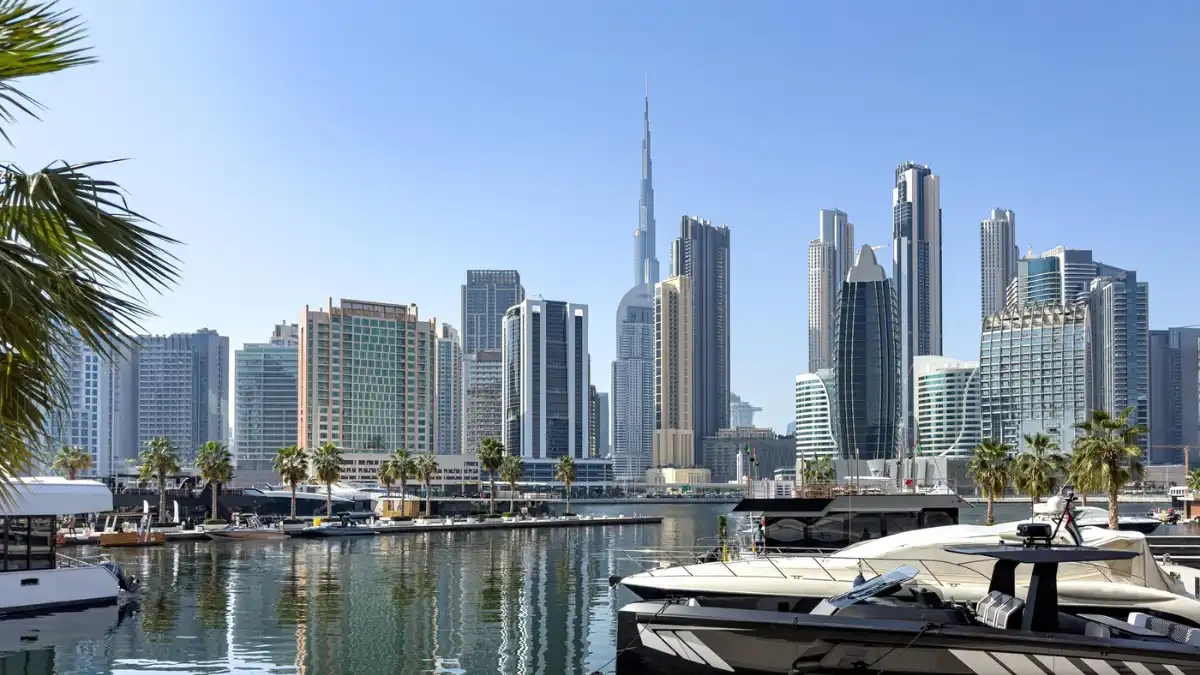
Buying property is not easy. Anywhere. There is price research, neighborhood visits, and broker calls that do not quite answer what was asked. And there is a quiet panic that arrives when the number of options starts shrinking and the pressure of committing starts rising. However, buying property in Dubai adds another layer to all of that.
The city moves fast. Access matters enormously. And the question of what a property will look like in five years weighs differently here than in most other markets. Buyers do not just compare listings. They compare versions of their own daily lives.

The moment a serious buyer starts looking, the mind does not ease into the search. It goes straight into research mode. Tabs open. Prices get compared. Areas get mapped. Commute times get calculated. Before any emotional attachment forms, the practical questions are already running in the background.
That is not unusual. However, in Dubai, the practical questions carry unusual weight because the city is built around movement, and movement in Dubai is not always as simple as it looks on a map.
When Convenience Wins
There is a specific tension that almost every buyer in Dubai encounters at some point.
Related Stories
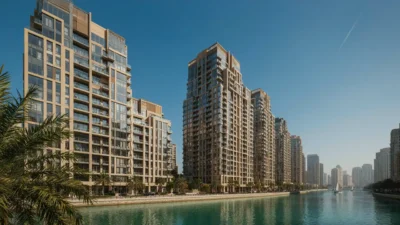
On one side, there is a spacious unit in a quieter area. Reasonably priced and easy to imagine living in comfortably. On the other side, there is a smaller apartment. Maybe a studio. It is near a metro station but costs noticeably more per square foot.
On paper, the spacious unit looks like the better deal. In reality, many buyers end up choosing the studio. The reason is not complicated. A Dubai resident said, “I will end up choosing the studio just because it is convenient, and the metro is easily accessible.”
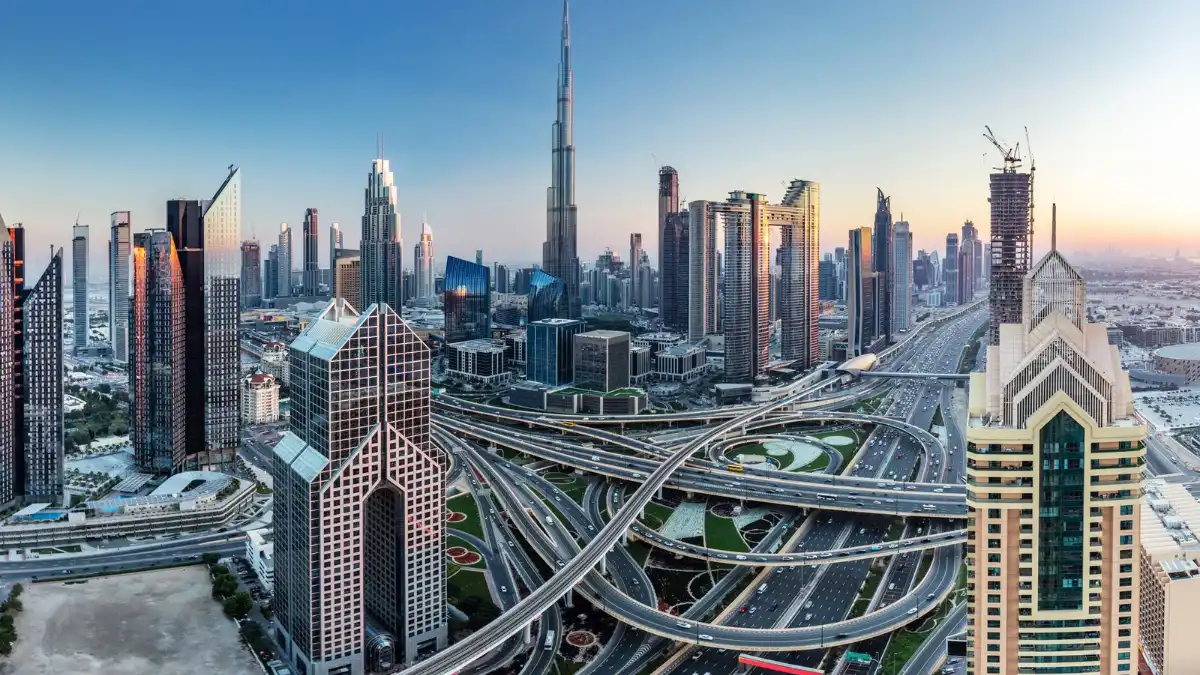
Dubai has significant traffic. During rush hour, a journey that takes 15 minutes at midnight can take 90 minutes in the morning. For someone who commutes daily, that difference is not a minor inconvenience. It is a daily tax on time and energy. Metro access removes that tax. Furthermore, it removes the need for a car in many scenarios, which changes the monthly cost calculation in ways that are not visible in the unit price alone.
Consequently, almost every buyer in Dubai often discovers that convenience changes how a property feels, not just how it functions. A smaller apartment near a metro station starts to feel more livable than a larger one that looks better on paper but adds daily stress.
The emotional weight of that trade-off is real. Buyers are not only asking what they can afford. They are asking how much friction they are willing to carry with them every single day.
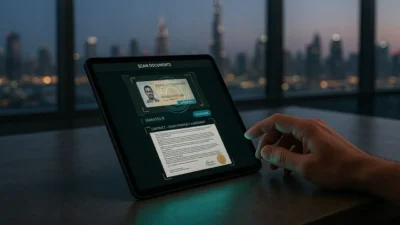
The Long Search Begins
Once the comparison between space and convenience starts, buyers enter a research phase that is harder to exit than it is to enter. Every option raises another question.
If the studio near the metro is AED 900,000, and the spacious two-bedroom farther out is AED 1.1 million, is the price gap worth the commute? How much would the commute cost in fuel, or in time lost over a year? Over five years? How much is proximity to a metro station actually worth when the building sells?
That calculation is not quick. Moreover, it is not purely rational either.
Buyers find themselves comparing areas they have never lived in. They estimate commutes along routes they have never driven and imagine daily routines in apartments they have only seen on-screen.
The research stage starts to feel less like preparation and more like its own version of the decision.
Every new piece of information introduces a new variable to buying property in Dubai.
Every variable pushes the final answer further away.
This is the part of buying property in Dubai that does not make it into most market reports. The market reports show transaction volumes and price per square foot. They do not show the mental exhaustion of trying to choose between options that each require giving something up.
The Investor’s Quiet Calculation
For every buyer in Dubai approaching the property as an investment rather than a home, the comparison shifts. The question is no longer about commute times or apartment size. The question is about where the money will go and how long they are willing to wait for it to grow.
Established developers in Dubai, names like Emaar, Nakheel, and Binghatti, command higher prices than many private developers. However, they also carry something that private developers often cannot: consistent, visible demand.
Projects from these names sell quickly. Prices move upward in shorter cycles. Resale markets tend to stay active. Furthermore, securing a unit at launch is competitive, because demand frequently outpaces supply at the point of release.
Private developers offer a different proposition. Entry prices are typically lower, and the upside is real if the buyer is patient. However, the timeline to comparable resale value is longer.
Market prices that an established developer reaches in one cycle might take a private developer three to four years to approach. For an investor deciding between options, that gap is the central question.
They are not only asking what the property is worth now.
When they are buying property in Dubai, they are asking what kind of certainty they are buying alongside it. And how much uncertainty they can carry comfortably in the years before the return arrives.
Choosing a Life, Not Just a Property
What becomes clear, at the end of the research phase, is that buying property in Dubai is rarely a clean decision. It is a negotiation between what is practical and what feels right.
Buyers compare studio apartments against spacious ones and end up comparing two different versions of daily life.
Investors compare established developers against private ones and end up comparing two different relationships with uncertainty.
The process is tiring because the stakes are real.
A property in Dubai is not a small purchase. It shapes where someone lives, how they move, how much they spend each month, and what they can reasonably expect in the years ahead.
Consequently, the decision tends to move slowly, and revisit itself often. And it arrives not with confidence but with a kind of quiet resolution that this is the best available answer given everything known at the time.
That is the part of buying property in Dubai that the market numbers do not capture.
The city keeps breaking transaction records.
Buyers keep arriving.
However, behind each number in that record is a person who spent weeks, sometimes months, weighing convenience against space, security against growth, and what they could afford against what they actually wanted.
Read More: Luxury Property Market Dubai: Guide for Modern Investors