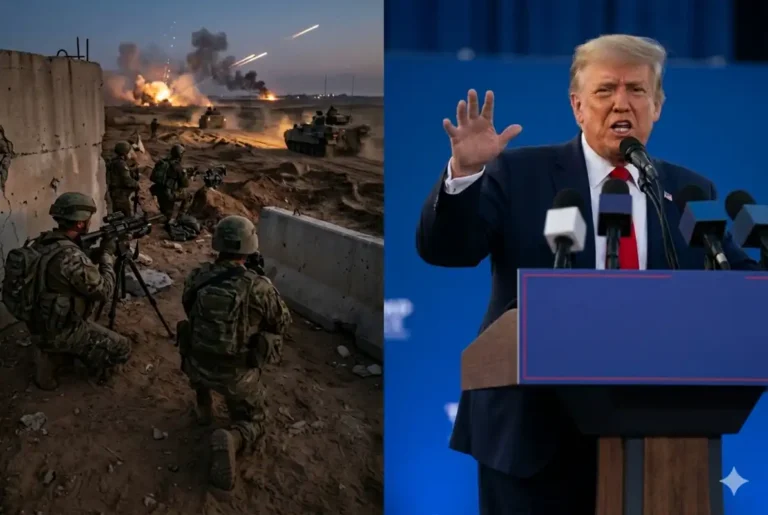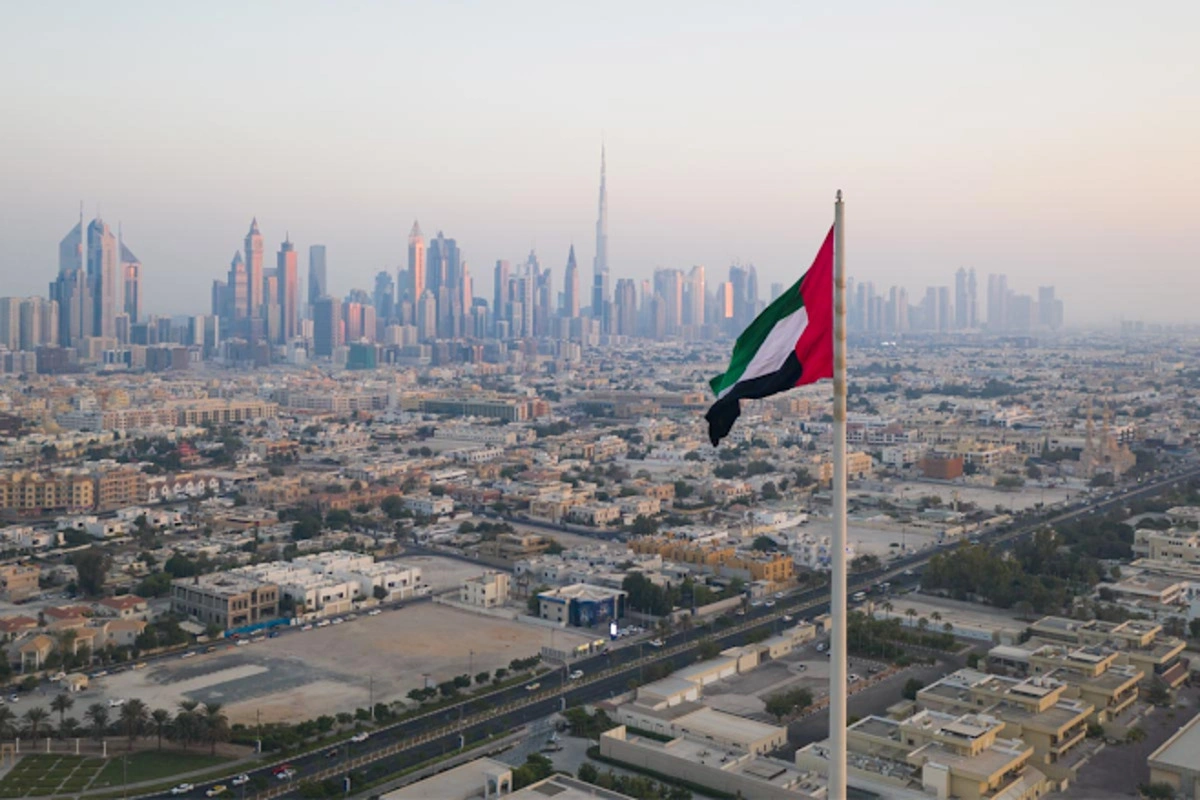

It has been over a month since Iran launched its first attack on the UAE on 28th February 2026, following the US-Israel war with Iran. The country has since foiled every major attempt on its soil, reassuring citizens and residents of just how committed the government is to protecting national sovereignty. According to the Emirates News Agency (WAM), the UAE’s air defence systems have intercepted a total of 2,583 aerial threats launched from Iran since the attacks began.
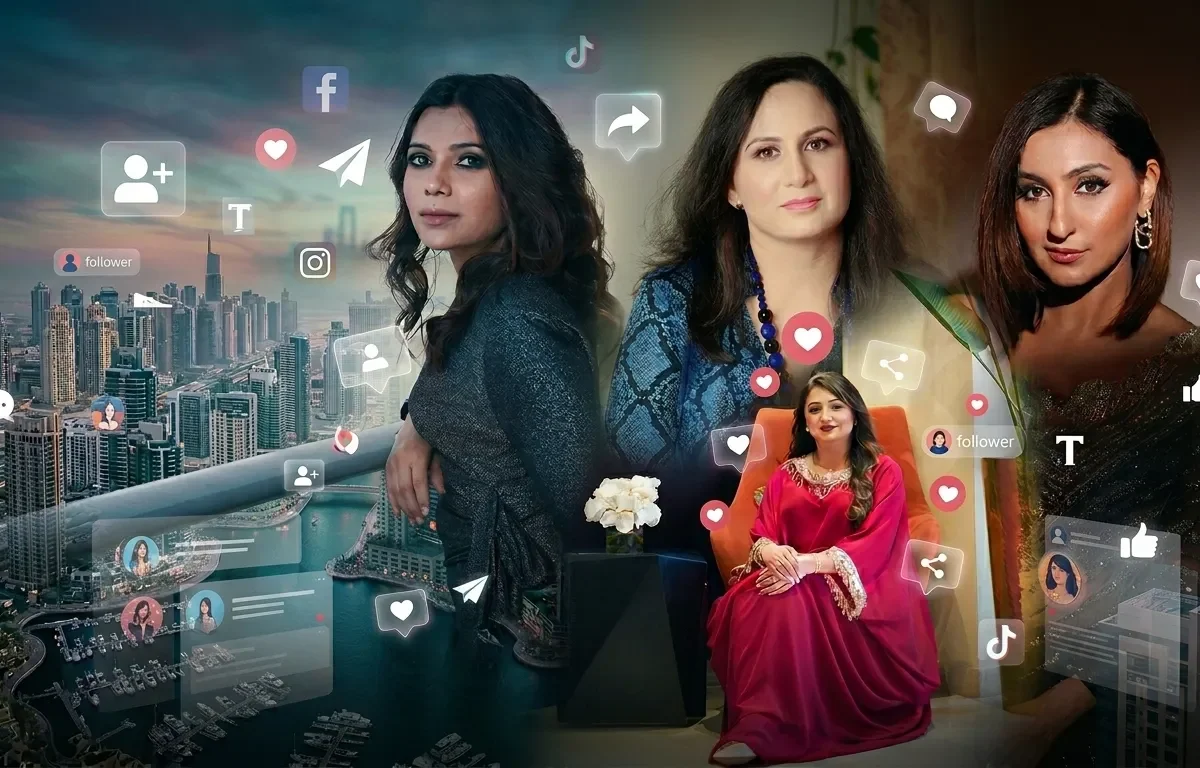
Amid such volatile times, repercussions on the way brands work and how they manage promotional budgets are inevitable. And one economy that is bound to feel the pressure is the content creator economy. The UAE’s influencer ecosystem, once valued at nearly AED 1.8 billion in 2026 with over 150,000 active creators, has been one of the fastest-growing digital sectors globally. But that growth is now facing its first real stress test.
On the Ground: Campaigns Frozen, Budgets Scrutinised
Historically, during any crisis, marketing budgets are among the first to be cut and the UAE is no exception. Pal Bhatia, CEO of PAL Digital Marketing Company in Dubai, is candid about the impact her business is facing.
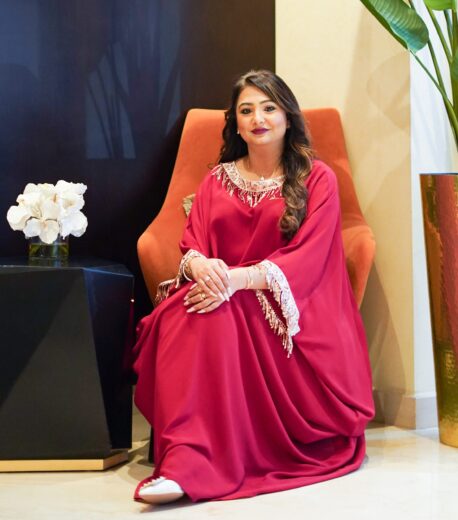
Yes, brands are pausing and pulling back due to the current situation,” she says, revealing that budgets are being cut or frozen, and every campaign now needs to justify its spend before it gets approved.
— Pal Bhatia, CEO, PAL Digital Marketing Company.
The campaigns her team is currently working on, she adds, are conversion-focused, culturally rooted, and built around real moments and real stories.
Dhruv Maniar, founder of the popular Dubai-based page GulfBuzz with close to half a million followers, echoes Pal’s sentiment.
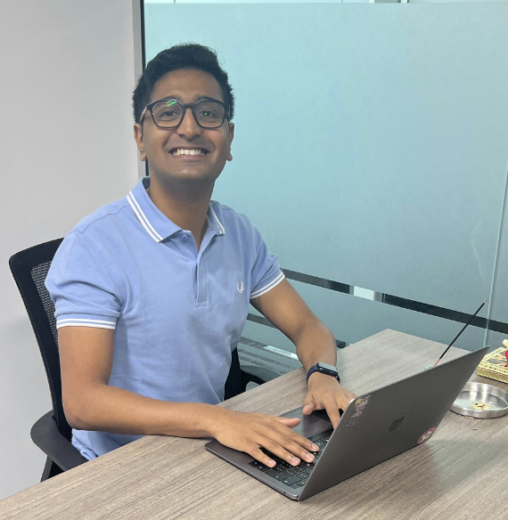
Yes, definitely brands have pulled back. Several campaigns have been put on hold with no clear timeline.
— Dhruv Maniar, Founder, GulfBuzz.
With an 11-member team, Dhruv’s immediate concern is breaking even. There is considerable uncertainty around who will absorb production costs, as brands are not only revisiting agreed deals and pushing for better rates but also asking for additional deliverables within the same budget, if they are willing to spend at all. After a brief pause, GulfBuzz has resumed its regular posting cadence, albeit at a reduced volume.
The Creator’s Reality: Cancelled Campaigns and Harder Negotiations
For individual creators and influencers, the impact is more immediate and personal. Deepti, a Dubai-based content creator known as @jivewithdeepti on Instagram, claims to have been active in the influencer space since 2012, a time when the word wasn’t even coined. Having witnessed the creator economy evolve from an unstructured, experimental industry into a highly strategic marketing channel, she sees the impact of war as one of the most crucial challenges this ecosystem has ever faced.
Describing the current state of affairs, Deepti says there has been a clear and immediate pullback from brands.
They are not just reducing spends, they are pausing decisions altogether.
— Deepti, Content Creator (jivewithdeepti)
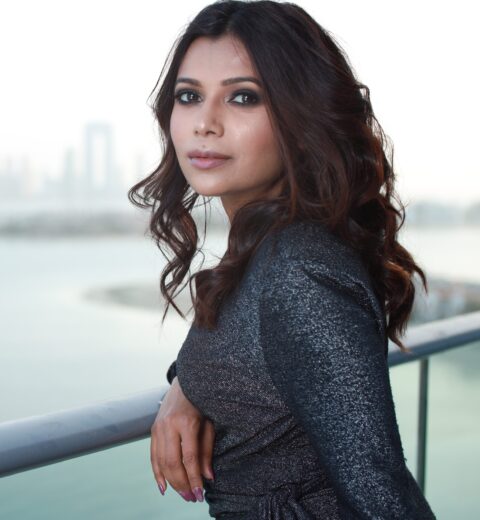
Deepti lost a campaign scheduled for the first week of March when it was cancelled at the last minute. She believes this isn’t an isolated incident; it reflects a broader sentiment of hesitation driven by uncertainty.
When asked whether brands are negotiating harder or asking for more deliverables within the same budgets, Deepti’s response is unequivocal. “Yes, that’s absolutely happening. Brands are negotiating much more and expecting increased deliverables while maintaining or even reducing budgets.” She calls it a reflection of the cautious spending mindset across industries right now.
To navigate this period, Deepti has been turning inward, spending time on wellness, yoga, meditation, and exploring spiritual modalities such as AOI light and sound therapies. She believes that during uncertain times, audience doesn’t connect with overly curated narratives and trends. They connect with truth.
Pausing, Not Disappearing: A More Measured Perspective
Priya Jethani, a popular TV host, wedding emcee, and influencer in Dubai, offers a more balanced view. When asked whether she has seen a drop in brand collaborations since the conflict began, she responded with caution and realism.

I haven’t seen a drop as such, but a pause for sure.Brands are revising their campaign strategies and taking a necessary step back to avoid appearing tone-deaf in the current situation.
— Priya Jethani, TV Host & In
On her part, Jethani has been lending support to smaller businesses that need visibility while remaining mindful of the prevailing mood and steering clear of anything that feels overly promotional.
Collectively, however, creators, bloggers, and influencers also feel that while their community is willing to step up and help during difficult times, they rarely receive the same consideration in return.
The Glass-Half-Full Corner
Sonal Chiber, a Global Strategy Consultant and Communications Leader, believes that brands are now becoming far more intentional with their spending, focusing on ROI, measurable outcomes, and long-term brand value.
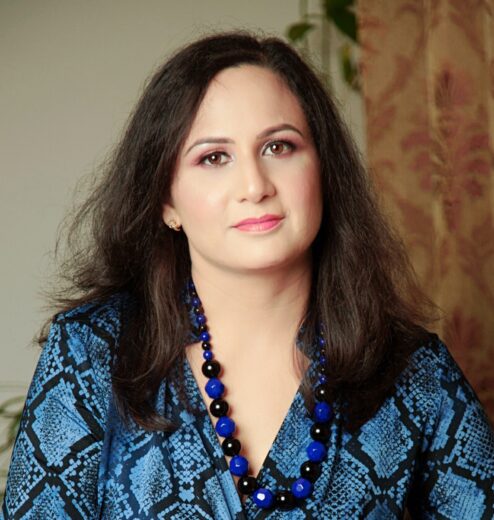
The creator economy is evolving beyond vanity metrics, with creators positioning themselves as strategic partners who bring credibility, niche audiences and real influence
— Sonal Chiber, Global Strategy Consultant
According to Sonal, industry estimates show influencer marketing is growing at over 20 percent annually and is set to cross $25 billion globally. While it is too early to discuss war-related numbers, she says figures are already showing a short-term softening in ad spends in Q1 2026 due to geopolitical uncertainty, with some agencies reporting reduced client spending in impacted regions. But she is also quick to frame this as a reallocation rather than a retreat. “Even now, around 74 percent of brands are continuing to move budgets into creator-led programmes, and influencer-driven spend has already seen growth of over 50 percent in key periods recently.” Budgets, she argues, are becoming more cautious and performance-driven rather than shrinking overall.
Sara Chemmaa, Founder and CEO of Citron & Glow by Citron, takes a similarly bullish stance. She says they have not reduced influencer marketing budgets but reallocated them, with a clear shift toward performance. Having moved approximately 50 percent of their influencer spend from pure brand awareness into conversion-driven campaigns and expanding into newer markets like Saudi Arabia, Chemmaa says scaling micro and mid-tier creators has driven measurable revenue for her clients.
Dubai Has Weathered Storms Before
This, perhaps, is the most accurate way to describe the current moment. The city known for good times, big-ticket events, and flashy brand activations is coming to terms with the impact of the ongoing conflict between the US, Israel, and Iran and the subsequent wave of aerial attacks. While some are quick to write Dubai off or react with alarm, the real picture is more nuanced. This city, and the UAE as a whole, has weathered many storms before and has consistently emerged stronger.
Read More : UAE supermarkets say they can’t absorb costs as Diesel jumps 70%