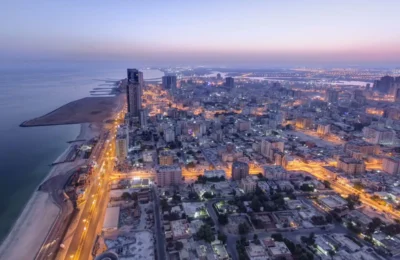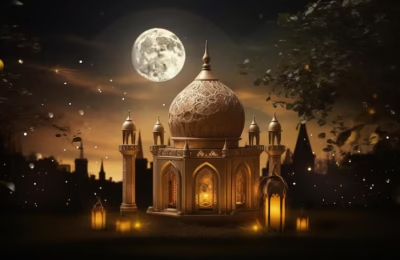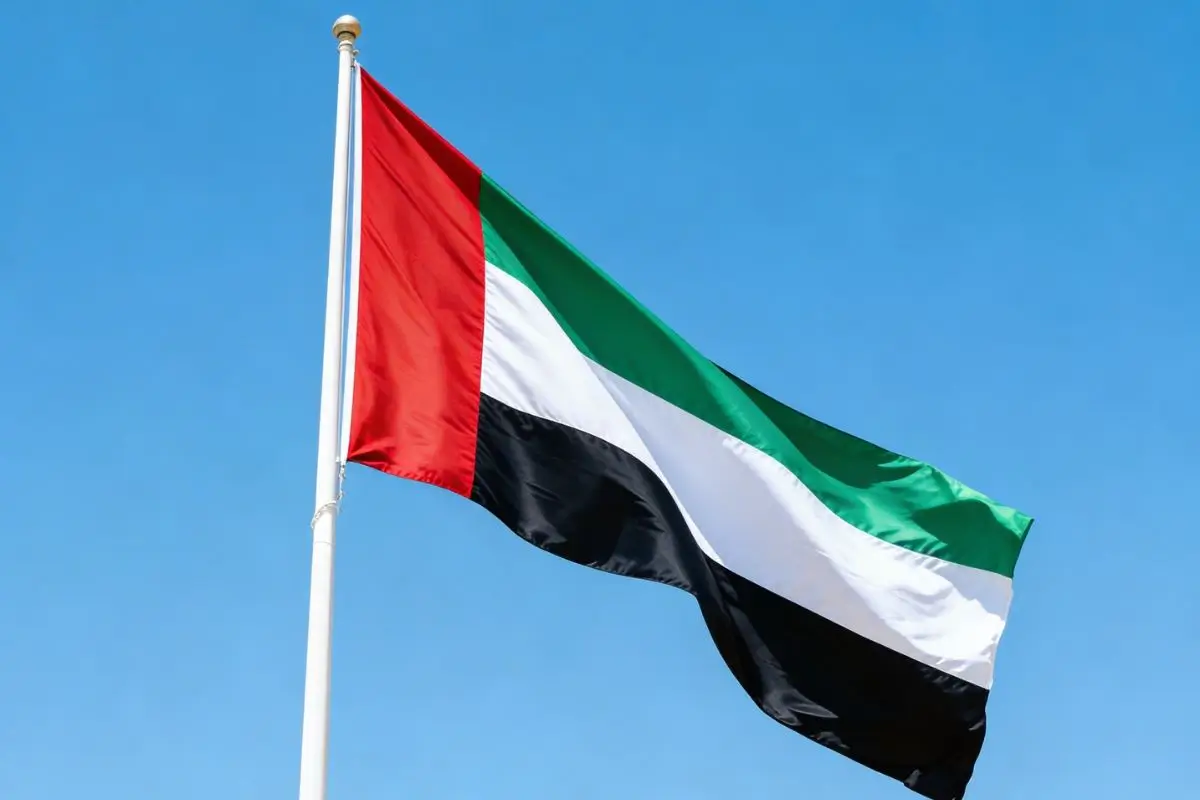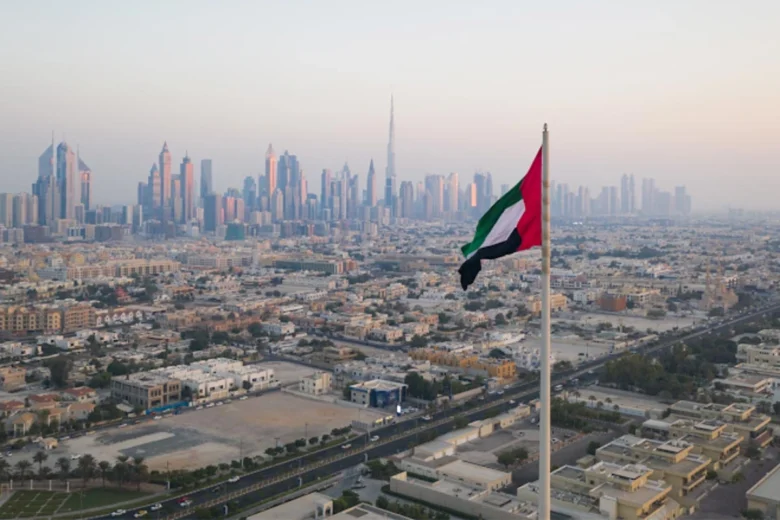
The Holy Month brings forward its traditional time of reflection and community togetherness. The multicultural city of Dubai requires its residents and visitors to respect Dubai Ramadan Etiquettes because they constitute local cultural customs. The 2026 Ramadan period begins during the winter-to-spring transition which presents an excellent opportunity to discover the citys cultural heritage through intentional and respectful exploration.
The Dos and Don’ts of Public Life

The foundation of Dubai Ramadan customs centers on the practice of daily fasting. Non-fasting residents and tourists have no obligation to refrain from eating or drinking but they should practice dining etiquette which shows consideration for others.
- Dining and Drinking: All restaurants and cafes in 2026 will operate during daylight hours while customers can see inside the establishment because no screens are needed to create privacy. It shows respect to refrain from consuming food and beverages as well as tobacco products in all outdoor environments during daytime hours which include parks and streets and public transportation. Public spaces require people to refrain from chewing gum because it counts as “eating” and should remain hidden from view in public spaces.
- Dress Code: Modesty is highly valued during the Holy Month. Visitors to malls and cultural sites and government buildings must ensure their shoulder and knee areas remain covered. Standard swimwear is acceptable at hotel pools and private beaches but it is expected that guests will wear appropriate clothing when moving through lobbies and public parking areas.
- Public Decorum: Dubai Ramadan brings a period of peace. People should avoid playing loud music in vehicles and public spaces while they should limit their public displays of affection.
Embracing the Evening Traditions
The people of Dubai observe Dubai Ramadan by following their custom of celebrating community events which occur after sunset. You should accept an Iftar invitation from your coworker when he invites you to his house or traditional Majlis. The Maghrib prayer becomes more beautiful when people arrive 10 to 15 minutes early and bring small gifts which include dates and traditional sweets.
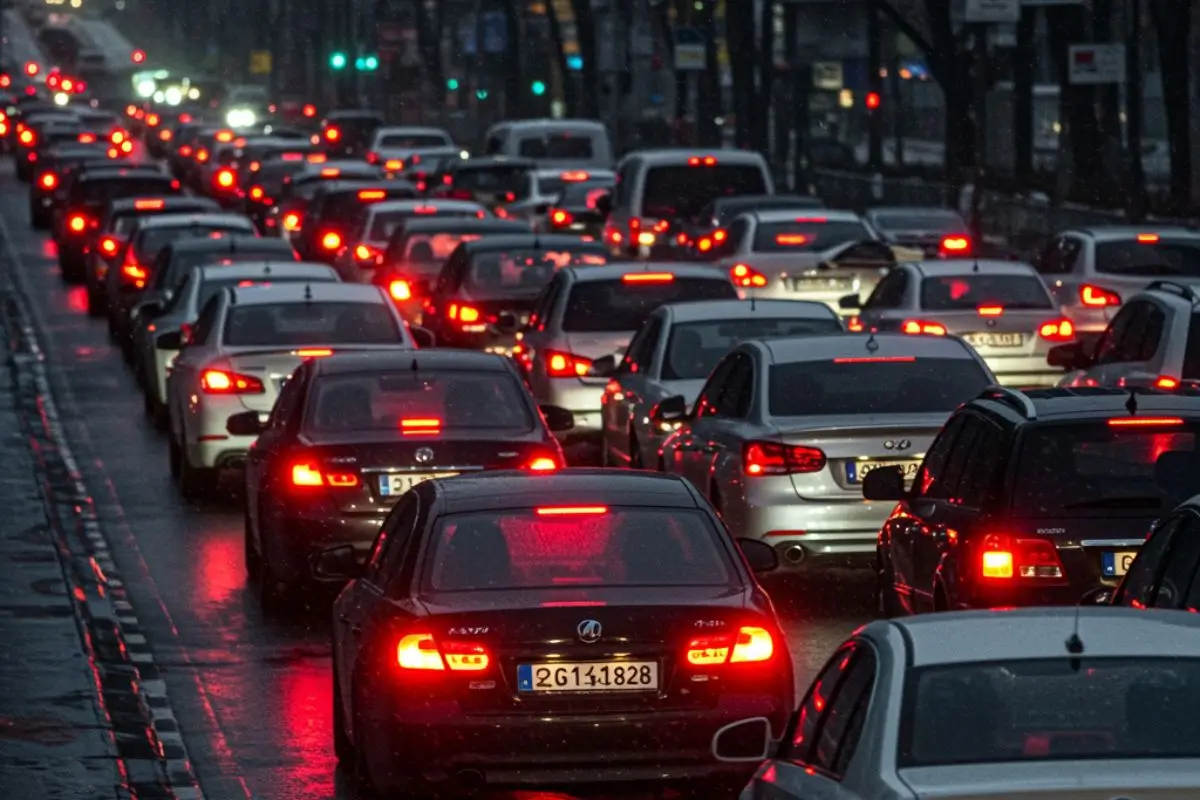
The process of city navigation demands an entirely new approach to thinking. People begin their evening commute at sunset because they need to return home for Iftar. Iftar rush driving requires drivers to use additional patience because this practice represents essential Dubai Ramadan Etiquette. Your use of “Ramadan Kareem” greetings, together with your support for local charities helps create the atmosphere of tolerance and kindness which characterizes this holy month.
Read More: Ramadan Parking Times 2026: RTA Announces Updated Schedules for the Holy Month