
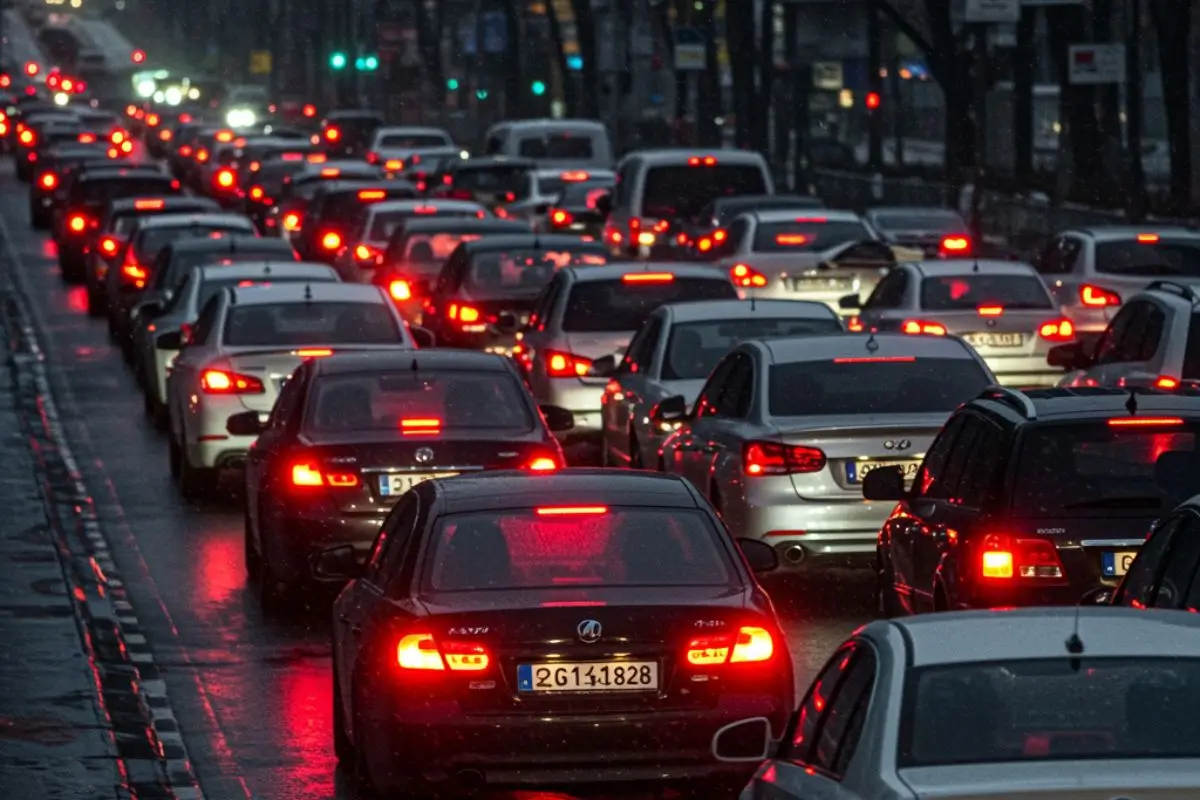
New buses, highways and stricter car rules are on the way as part of a broader Dubai Sharjah Ajman traffic solution aimed at easing daily congestion.
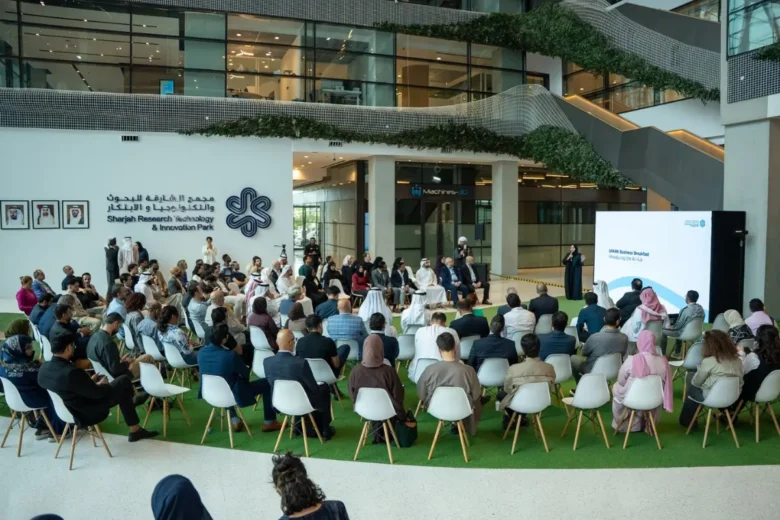
The UAE’s Infrastructure and Housing Council held its first meeting of 2026 to discuss practical solutions for the heavy traffic congestion between Dubai, Sharjah and Ajman. The meeting was led by Minister of Energy and Infrastructure Suhail Mohamed Al Mazrouei, and covered three key areas, a new public transport network, a major new highway and policies to reduce the number of private vehicles on the road.
Better buses, better routes
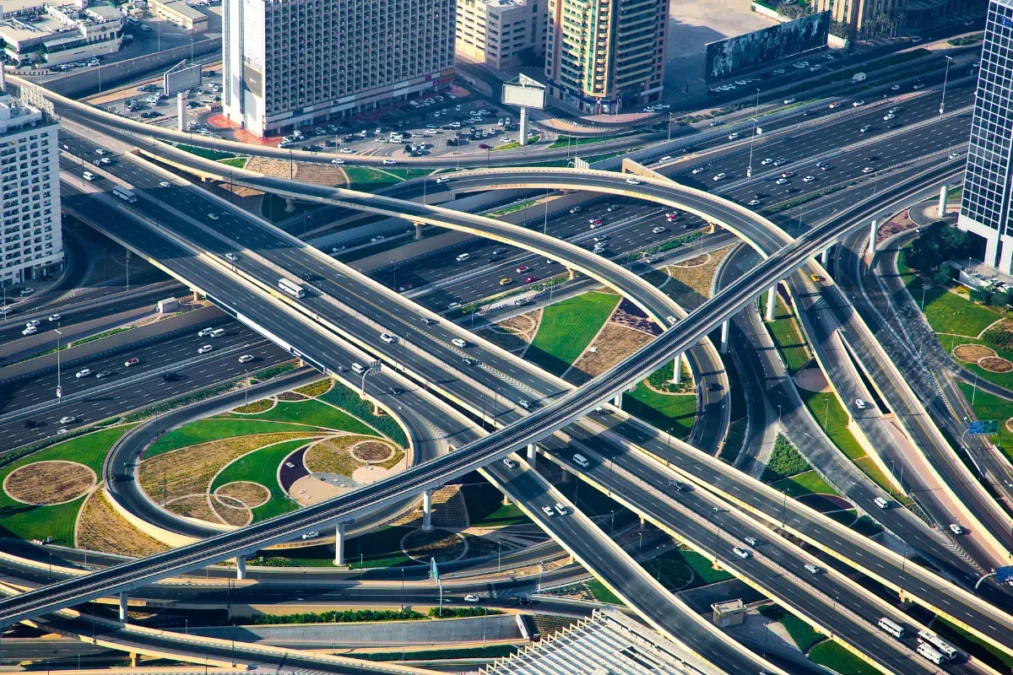
One of the most crucial topics at the meeting was a new public transport plan designed specifically for the busy Dubai-Sharjah-Ajman corridor, forming a key part of the Dubai Sharjah Ajman traffic solution. The proposal includes 10 bus routes built around a Bus Rapid Transit system. BRT is a fast and reliable bus service that runs on its own dedicated lanes, separate from regular traffic. These routes will connect directly to existing metro stations and major city centres, giving residents a good alternative to driving their personal vehicles.
On top of that, plans are underway to improve Ajman’s links to the Third and Fourth Federal Corridors. This will open more route choices for daily commuters and take some time off the roads that are already congested.
A brand-new highway
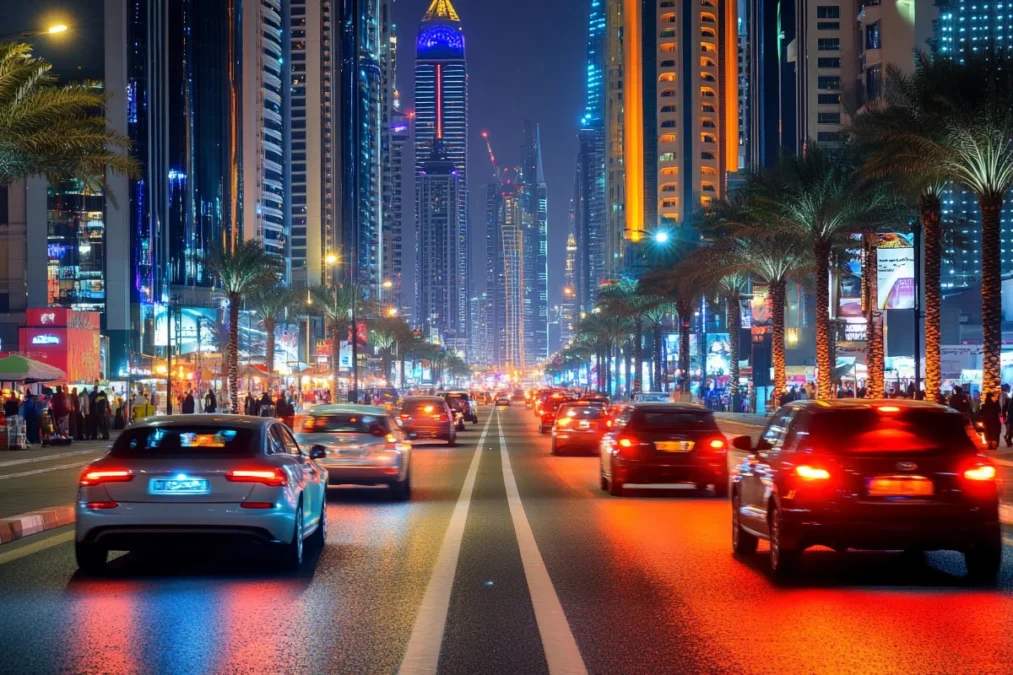
The council also reviewed the progress of the Fourth Federal Corridor, a new highway project that will stretch approximately 68 kilometres. It will feature 6 to 8 lanes in each direction, 10 major junctions and four flyovers, with an estimated cost of Dh6 billion.
The new road is expected to ease traffic significantly and speed up the movement of both people and goods across the country, further strengthening the overall Dubai Sharjah Ajman traffic solution.
Fewer cars on the road
Officials also discussed ways to slow down the rapid growth in private vehicle numbers. Car ownership in Dubai is currently rising at more than 8 per cent every year. This sharp increase is putting immense pressure on roads and infrastructure. To address this, the government is considering stricter car ownership regulations, better blending of public transport systems and new mobility options for residents as part of the wider Dubai Sharjah Ajman traffic solution.
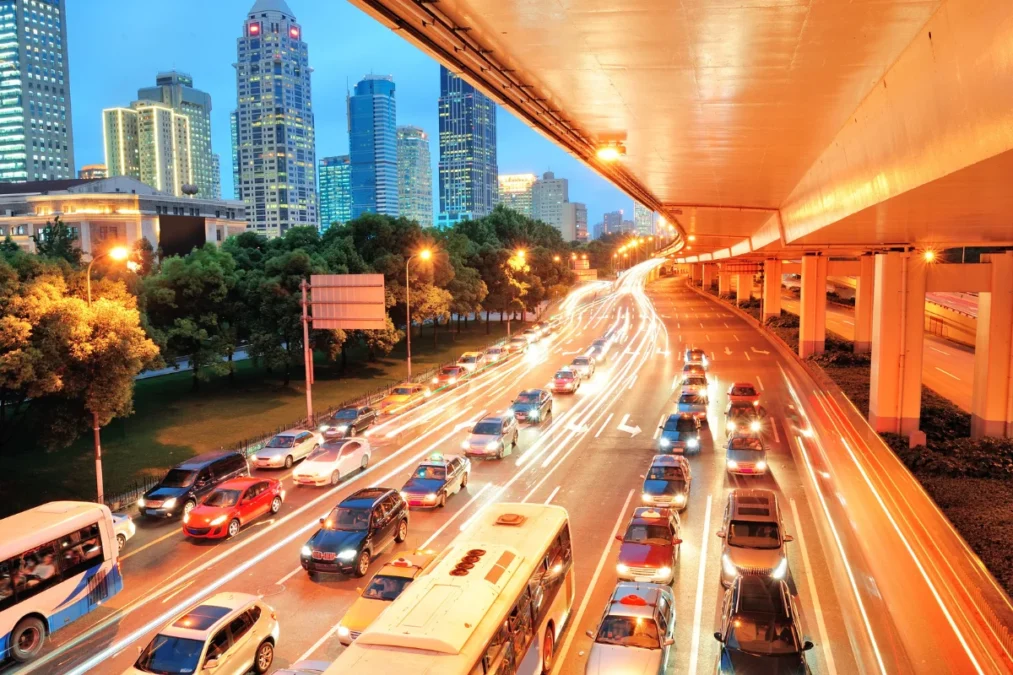
Minister Al Mazrouei concluded by saying that building a well-connected, modern transport network is essential, not just for reducing traffic, but also for cutting carbon emissions and improving the overall quality of life for people living and working across the United Arab Emirates.
Also Read: IPL 2026: Pant and Shami Outshine SRH Rescue Act in a Last Over Thriller