
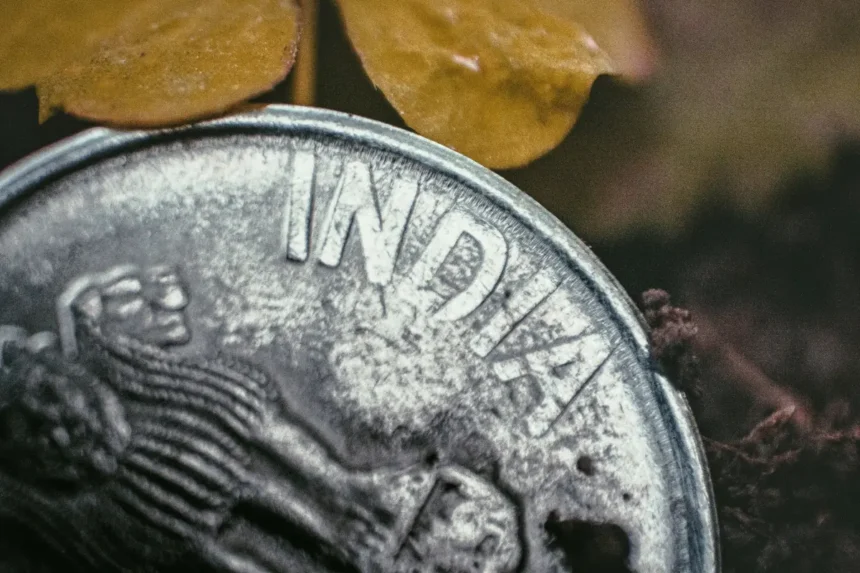
December 5, 2025 | Dubai, UAE: The Indian Rupee record low, seriously reaching its lowest point ever under 90 on December 3, 2025, so low that it is like the worst day ever in the Indian finance industry. It is no mere symbolic blow; it demonstrates certain fundamental defects in the economic system that might have even greater consequences throughout Asia.
Markets Shake With Unprecedented Indian Rupee Record Low
The Indian Rupee record low, it was 90.13 USD early Wednesday and looking at the chart, its steady falling has been steadily falling over five consecutive days. In fact, they trampled the earlier low of 89.9475 that it had hit the day before, hence the currency has been dropping at a brisk pace. It has decreased about 4.84 per cent in 2025 alone- bad news when considering it against the Turkish lira of Turkey.
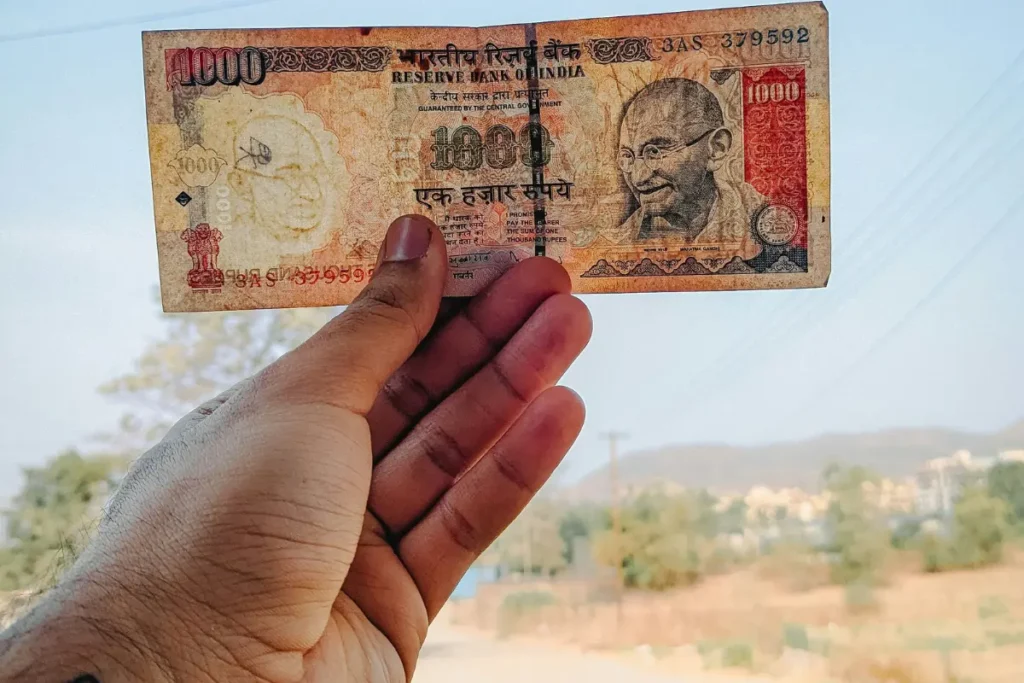
Market analysts believe that the decline is largely caused by a lack of match between the demand and supply of dollars. Dilip Parmar of HDFC Securities believes that a good number of corporates, importers, and foreign investors are purchasing tons of dollars, which is crippling liquidity. The RBI, on the other hand, has been relaxing, allowing the market to set the rates rather than struggling to maintain the rupee at high levels.
Pressure is added by Trade Deal Uncertainty.
The real kicker of the Indian Rupee Record Low? The insecurity in India-US trade negotiations. Months of negotiations failed to get a complete package by the fall 2025 deadline, and traders were left completely disappointed. The tariff reductions and the market access are not going to be improved, so the investors are withdrawing money- since the end of August, over $16 billion of Indian stocks have gone.
The domestic equity was also affected by the Indian Rupee Record Low drop as the Sensex plummeted by more than 500 points and the Nifty momentarily hit 26,000. Thus, it is all connected: each rupee and shaky stock, both due to trade deficit and lack of confidence.
Measured Response Strategy of RBI
This time, the central bank has been quite relaxed, unlike when the RBI was conducting a hard sell during earlier crises for Indian Rupee Record Low. It is said that RBI interventions are ad hoc, which means that it is time to leave the market to its own devices rather than protect arbitrary levels that are draining reserves.
RBC Capital Markets Abbas Keshvani noted that, even though the RBI is holding well over $600 billion in reserves, the intention appears to be to depict the true picture of the balance-of-payments. Such a hands-off approach is a step towards a market-compatible regime, even though it quickens the decline of the rupee.
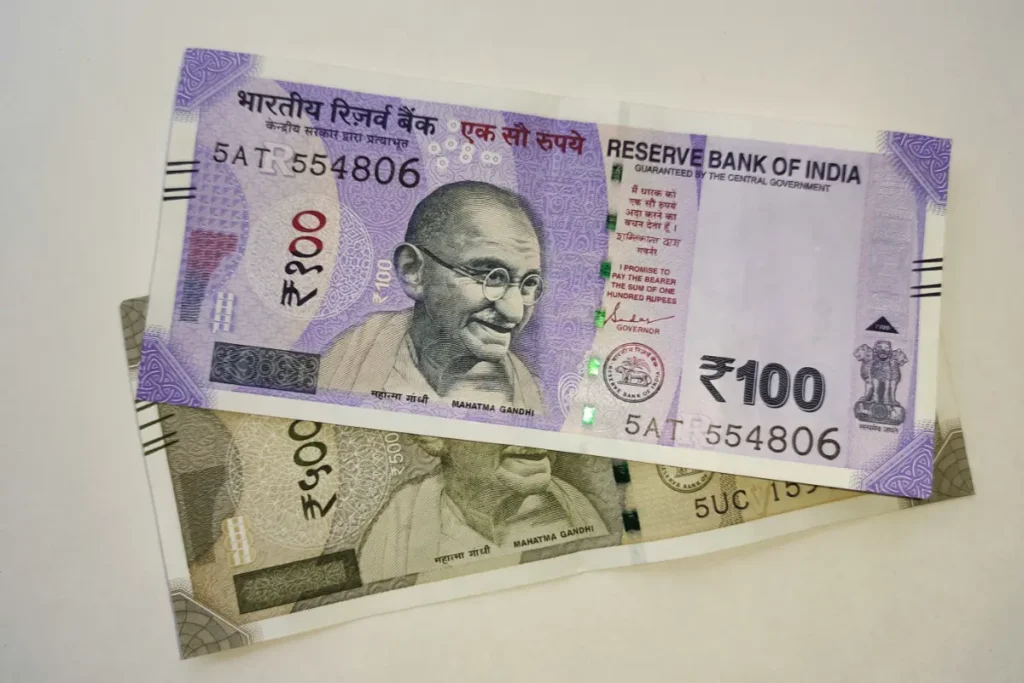
ANZ analysts believe the fall will be softened by the RBI but without any drastic actions, and keep the rupee at competitive rates among exporters, particularly in low-technology sectors, which might be subjected to US tariffs. Dhiraj Nim of ANZ says the weaker rupee would actually positively contribute to the competitiveness of Indian exports, though it would increase inflation on imported goods after the Indian Rupee Record low.
Economic Consequences and Prospects
Indian Rupee Record Low: A weak rupee is a pain for many. Foreign goods and raw materials will sell at a significantly higher price to the importer, which may increase consumer prices and inflation. The exporter, on the other hand, might gain an advantage in terms of international competitiveness, and this will help counter some of the adverse impacts.
The average Indian will find it more expensive to travel, study and even purchase imported products abroad. The technological sector, which needs imported parts, is under pressure on its margin unless it can either increase productivity or increase the price.
The observation of pivotal events is taking place as everybody will be keen on whether this is a momentary drop or the start of the prolonged weak-rupee era. The monetary policy review on December 5 is the most important one to be held by the RBI; most economists believe that the policy committee will reduce the rates by 25 basis points, even though the currency is wobbling. The foreign-exchange intervention approach, as will be taken by the government, will also be examined for future possibilities.
The trade discussions that are still languishing or even dragging have been the most significant wildcard, which is likely to drive the rupee down even further or cause its rebound. With a breakthrough, investors may come back in; with further delays, the rupee may fall to the 92-95 range, which some analysts are terming as probable.
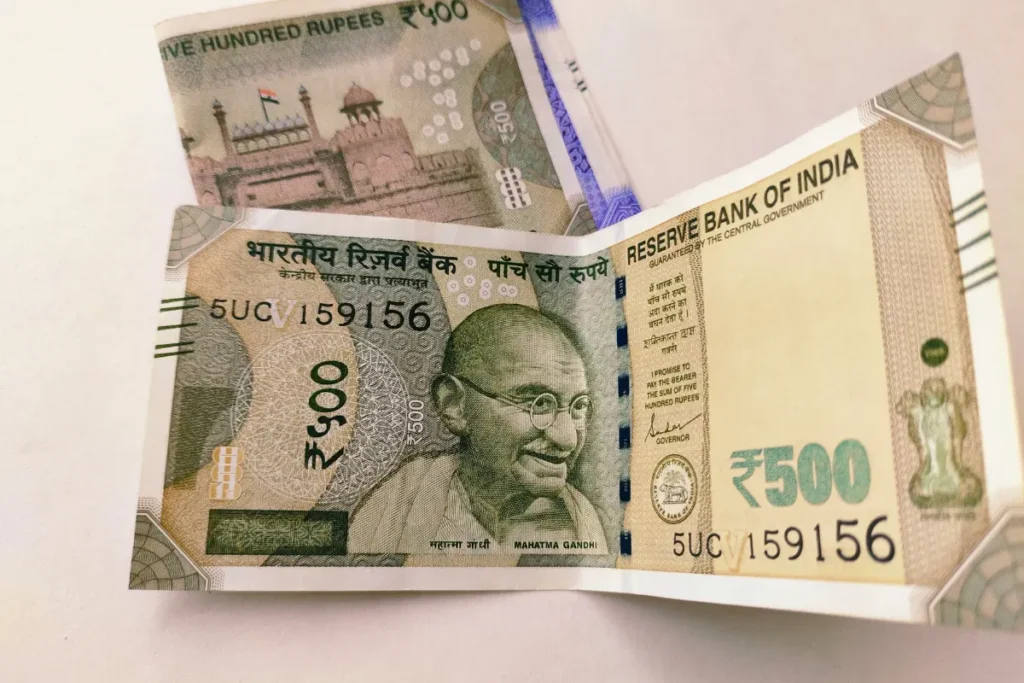
The bad news not-with-standing, India is not weak in major areas of its economy. The growth of GDP was high in the last few quarters, inflation is kept at bay, and the young population provide long-term impetus. The tricky part is to convert these advantages into currency stability, achieving this through the correction of trade gaps, harmonising investment flows, coordinating fiscal policy, and monetary policy. The next few weeks will determine whether India will be able to keep the rupee constant or continue losing its value, which leads to the Indian rupee record low.
Read More: UAE New VAT Rules Overhaul Set for January 1 – What Businesses Need to Know?