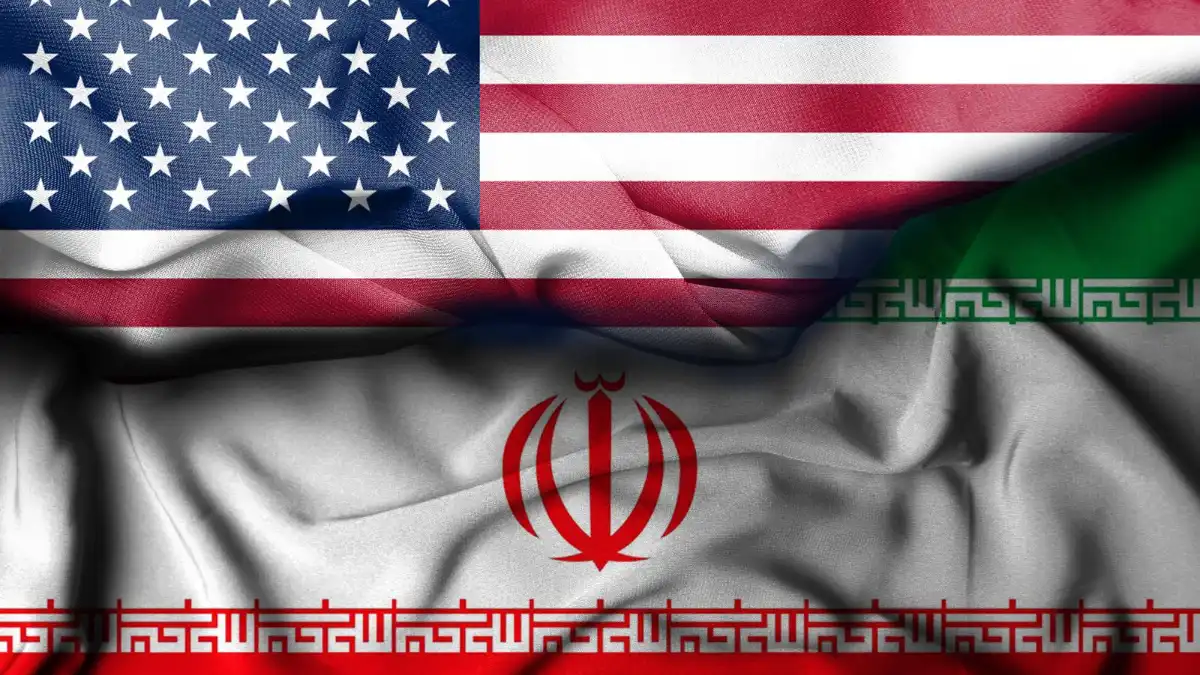
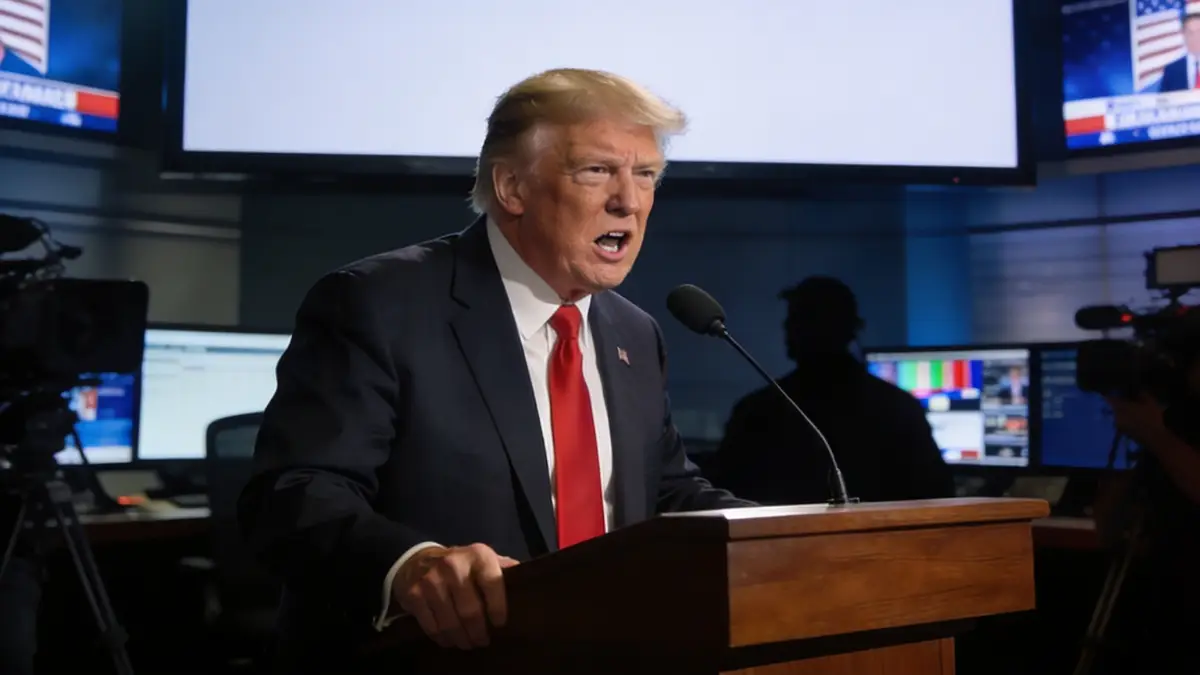
It happened over dinner, not at a podium. President Donald Trump put his signature to the Iran US MoU, Memorandum of Understanding, during a candlelit dinner at the Palace of Versailles on Wednesday, June 17. This happened following the G7 summit, as host French President Emmanuel Macron and other guests applauded.
“Just signed it,” Trump told reporters as he emerged from the palace. The moment marked the formal close of a nearly four-month war between the United States and Iran. However, the paperwork trail behind that single signature is more layered than the photo suggests.
Related Stories
One Document, Two Signings
The memorandum was signed digitally on Sunday, a US official told NBC News. Vice President JD Vance and Iranian Parliament Speaker Mohammad Bagher Ghalibaf signed it. Trump witnessed it. Wednesday’s Versailles signature was therefore a physical ratification of an agreement already digitally binding days earlier.
Vance will travel to Switzerland on Friday for a separate signing of the memorandum. Presumably, for a ceremonial event. Esmail Baghaei, spokesperson for Iran’s Foreign Ministry, confirmed that both Trump and Iranian President Masoud Pezeshkian signed the agreemnet.
Pakistan, which mediated the talks, gave the document its own name. Also, Prime Minister Shehbaz Sharif announced that the historic Islamabad Memorandum of Understanding was electronically signed between the United States and the Islamic Republic of Iran. He also endorsed it as a mediator. He further stated it would enter into force with immediate effect.
Iran US MoU: What the 14 Points Actually Say?
Under the agreement, Iran will instantly reopen the Strait of Hormuz and the United States will immediately lift its naval blockade. Moreover, a breakdown of the full text shared widely on social media outlines the core commitments.
The two countries agree to permanently end military operations on all fronts, including in Lebanon, respect each other’s sovereignty, and negotiate a final deal within 60 days. The US will fully end its naval blockade within 30 days, while Iran ensures safe passage for commercial vessels through the Strait of Hormuz for 60 days at no charge.
The economic terms are substantial. The memorandum commits the US to work with regional partners on a plan worth at least USD 300 billion for Iran’s reconstruction and economic development. Though, Washington’s contribution is not required, a senior US official clarified. And the fund mainly permits regional partners such as the Emiratis to invest in projects like power plants in Iran once Tehran meets its commitments. Additionally, the US will work to terminate UN, IAEA, and secondary sanctions, and release frozen Iranian funds and assets.
On the nuclear file, Iran reaffirms it will not develop nuclear weapons. Iran agrees to address its enriched uranium stockpile under IAEA supervision. The current status quo of the programme will be maintained until a final deal is reached. That final deal will eventually be endorsed by a binding UN Security Council resolution.
Iran US MoU: Who Gets the Credit?
Sharif credited Trump’s commitment to diplomacy, the US negotiating team including JD Vance, Steve Witkoff, and Jared Kushner, and Iran’s Supreme Leader Ayatollah Seyyed Mojtaba Hosseini Khamenei and President Pezeshkian for embracing peace.
He also named the Iranian negotiating team of Mohammad Bagher Ghalibaf, Abbas Araghchi, and Eskandar Momeni, alongside Qatar, Saudi Arabia, Türkiye, Egypt, and Pakistan’s Field Marshal Syed Asim Munir for their roles in the breakthrough.
A Warning Beneath the Celebration
The signing did not arrive without tension. Iran’s Foreign Ministry spokesman said any continuation of Israeli attacks on Lebanon would be considered a violation of the other party’s commitments under the memorandum.
Trump, for his part, struck a firmer tone of his own. He also said he was prepared to “bomb the hell” out of Iran if Tehran failed to honour the agreement, adding that if they are not behaving, they will be hit again.
What Happens Now
The Iran US MoU starts a 60-day clock. Within that window, both sides must negotiate a final, binding agreement. Sanctions relief, the USD 300 billion reconstruction mechanism, and the full normalisation of Hormuz shipping all depend on what happens during that period. For now, the immediate and most consequential terms, the reopened Strait and the lifted blockade, are already in motion.
Read More: Trump Iran Peace Deal: Trump Calls Off New Strikes Amid Fresh Negotiations