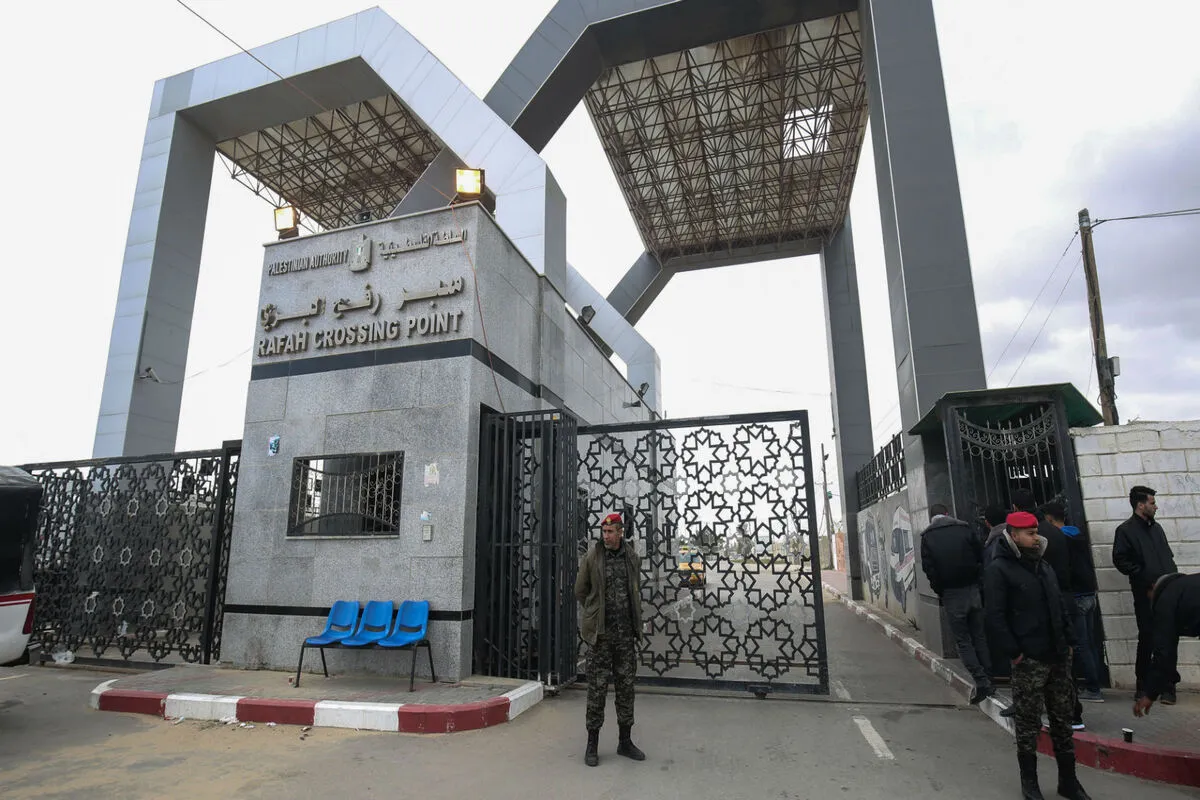
UAE, January 26th, 2026: Israel has acceded to a limited reopening of Rafah crossing to allow the movement of people between the Gaza Strip and Egypt into Israel in a radical change in policy. This announcement is made at a time when humanitarian suffering in Gaza is being alleviated and also in a wider ceasefire and peace framework of the United States.
Background: The Rafah Crossing And Its Significance
Rafah border crossing is the most important point of contact of the outside world of Gaza. It links the Palestinian region to Egypt and has traditionally been the primary point of entry of people and goods in and out of the enclave.
It has been changed to the control of the crossing since the 2023-2024 attack of Israel and Hamas, significantly restricted to normal traffic and reduced movement to Gazans and necessary evacuations, including food, medicine, and medical evacuations.
The shutdown has helped to worsen a humanitarian crisis, and the international organisations are constantly demanding more access and assistance.
Israel Announces Limited Reopening Of Rafah Crossing
On January 26, 2026, the Prime Minister office of Israel advised that the government would permit a conditional free, limited reopening of Rafah crossing to pedestrian movement only under certain conditions.
The decision is based on two important conditions:
- Delivery of all living hostages in hands of Palestinian groups in Gaza.
- Hamas making a 100 per cent effort to find and release the bodies of killed hostages.
The office of Prime Minister Benjamin Netanyahu conditioned the limited reopening of Rafah crossing, which would take place on the following terms and movement would be under a comprehensive Israeli inspection system.
As of now, all of the living hostages being held in Gaza have been provided; but Israel still maintains an intense military campaign to find the corpse of the last hostage Master Sergeant Ran Gvili, whose remains have not been yet located.
Humanitarian Implications Of The Move
This is despite the fact that the limited reopening of Rafah crossing is restricted to pedestrians but this marks a very significant development to the people of Gaza who have been severely restricted on their movement in and out of the enclave over the recent weeks. Rafah is not just a border gate but a lifeline to many residents, not only the people who seek to initiate medical care in a foreign land, reunite with family, but it is also the place where humanitarian workers may pass through.
Palestinian authority figure Ali Shaath who was sent to control Gaza within the U.S. supported mechanism pointed out in an interview that the limited reopening of Rafah crossing would be momentous in both directions and that Rafah is a highly symbolic and practical place to Gazans.
Combination With The Greater Peace Efforts
A 20-point plan presented by the U.S. President Donald Trump as part of a ceasefire and peace process involving Gaza can be associated with a reopening move. The plan envisages the stages of withdrawal of Israeli troops in most parts of Gaza and the administrative takeover.
U.S envoys pressure and the limited reopening of Rafah crossing being brought up during Jerusalem talks is considered to be a primary contributor to influencing Israel in making the decision.
Shortcomings And Ongoing Problems
Even after the announcement, there are a number of limitations:
- Goods and commercial freight movement does not come within the scope of this phase, that is, large-scale the ingress of humanitarian assistance and supplies might be limited.
- Israel keeps a very strict check and security measures at the crossing.
- The recovery of the remains of the last hostage is a timeline plus as it may take longer and cannot be predicted.
Despite such limitations, the agreement represents a significant diplomatic breakthrough and may be the beginning of gradual delivery of peace-related clauses to Gaza.
Response And Local Situation
The limited reopening of Rafah crossing has been long encouraged by international leaders, aid organizations and regional stakeholders due to its practical reasons as a humanitarian requirement and as a confidence building factor in the overall Middle East peace process.
In case the crossing is opened as intended, it may offer a slight yet significant relief of the limitations which have been a drag on the daily living of the nearly 2 million people who live in Gaza. Although this reopening is such a narrow one, it can open the way to more negotiations and gradual recovery to normalised movement over the Gaza-Egypt border.
Also read: Manchester United Stunning Win Against Arsenal: Title Race Takes A Dramatic Twist With A 3-2 Score