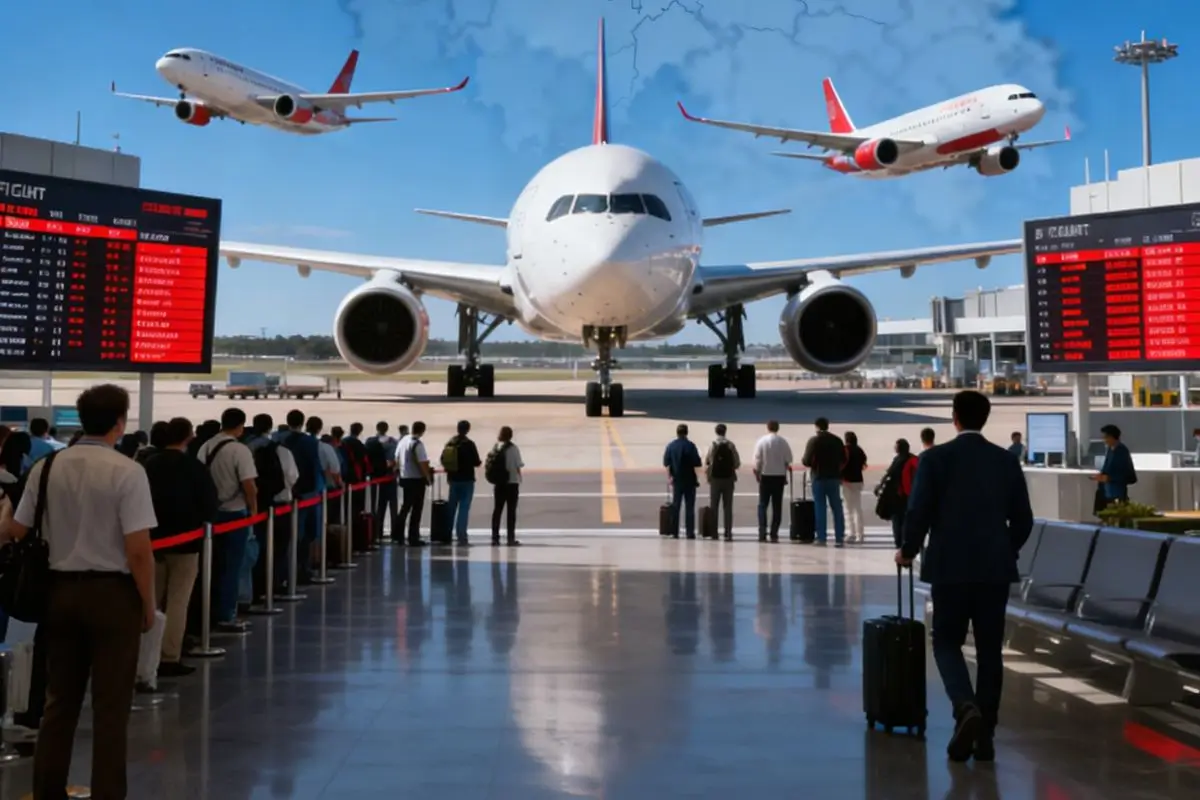
As per research by Bridge Payne, Head of Energy Forecasting at Oxford Economics, regional tourism numbers may decline sharply by 2026 – potentially dropping nearly a quarter of expected visitors. Economic losses might follow, as traveler expenditures face significant downward pressure due to operational uncertainties in air travel. Although some destinations rely heavily on inbound flights, shifts in access patterns could reshape spending trends across borders unexpectedly. Meanwhile, indirect effects on local services remain difficult to measure but likely substantial under prolonged disruption scenarios.
Travel disrupted as conflict begins
With tensions rising around Iran, movement through the skies above the region slowed sharply, creating immediate pressure on Middle East tourism. Over 5000 flight plans unraveled during just 48 hours, following sudden airspace shutdowns by several nations. Travel schedules collapsed as carriers shifted focus toward those left waiting – vacationers, workers abroad, others caught far from home.
Across multiple regions, airspace shutdowns now include Iran, Israel, Iraq, Qatar, Bahrain, Kuwait and Syria. Meanwhile, limited access emerges in parts of the United Arab Emirates along with Saudi Arabia. Stranded travelers appear on various continents due to grounded flights. Crews and planes stay out of position under ongoing disruptions.
Should skies reopen, initial efforts by carriers will prioritize moving delayed travelers, followed by a slow return to normal operations. Yet experts observing market trends suggest regional travel recovery could take extended time, influenced by ongoing security doubts and reduced public willingness to visit. Such conditions continue to weigh on Middle East tourism outlooks.

Middle East Tourism: Two Possible Conflict Scenarios
A possible framework emerges when considering how tourism shifts might unfold across the region. One path takes into account gradual policy adjustments influencing visitor numbers. Other focuses on external economic forces reshaping travel patterns. Each version relies on distinct variables to estimate outcomes. Assessment methods differ depending on which factors gain weight over time.
One possibility involves a swift settlement within one to three weeks. In such a situation, visitor numbers heading to the Middle East might drop 11 % in 2026 when measured against the prior year. This shift would mean around 23 million fewer travelers than previously projected. A reduction of $34 billion in tourism expenditure may occur over that period.
Should hostilities extend across approximately sixty days, the downturn in travel demand intensifies. Under such conditions, foreign visitor numbers drop by 27 % compared to the prior year’s figures during 2026. This reduction translates into an estimated absence of 38 million overseas guests. Financial setbacks tied to tourist spending may reach $56 billion under this projection, deepening the disruption to Middle East tourism.
Back then, in December 2025, projections pointed to a 13% rise in regional tourism – now seen as a distant estimate due to unfolding tensions. The contrast emerges clearly when viewing current conditions against those early assumptions.
GCC Nations See Biggest Drop in Visitors
Despite being major hubs for global travelers, GCC nations face the highest decline in tourism revenue due to strong dependence on cross-border flights. Their position as leading regional attractions amplifies the impact of reduced air traffic. Large-scale visitor drops stem from tight links between economic activity and international mobility. Air travel disruptions hit hardest where tourism infrastructure is most developed. Because movement across borders defines much of their sector output, these states see steeper falls than others. The extent of loss aligns directly with pre-crisis reliance on foreign arrivals.
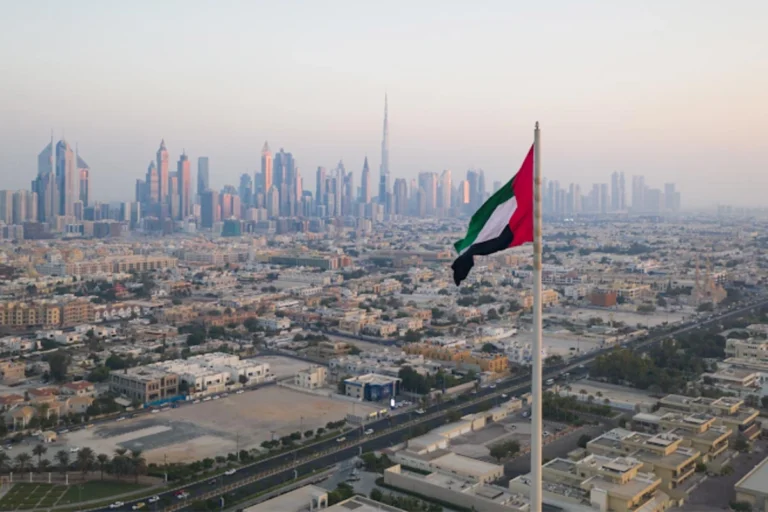
Especially vulnerable are nations like the United Arab Emirates and Saudi Arabia, given high numbers of travelers and strong reliance on flight networks. Safety concerns tend to shift quickly in public awareness, which means fluctuations in airline demand can intensify consequences across regional tourism sectors, experts observe. These shifts are expected to weigh heavily on Middle East tourism performance across Gulf destinations. Even if Gulf states face the largest drop in visitor numbers, steeper falls in proportion appear likely in regions tied closely to hostilities. Earlier projections suggest Israeli tourism might dip 57%; Iranian figures could shrink by 49% in contrast.
Facing a brief conflict period, Bahrain sees its visitor numbers drop most sharply across the Gulf. In similar conditions, Saudi Arabia follows close behind in terms of shrinking tourist inflows. Kuwait, when measured against regional peers, experiences one of the steepest downturns years after year. Among neighboring states, these three stand out for deepest contraction under limited disruption. When contrasted with longer unrest models, their losses remain highest despite milder circumstances.

Airspace Closures Affect World Travel Paths
A significant portion of world air traffic moves through Middle Eastern airports, influencing Middle East tourism far beyond local borders. With roughly one in seven international transfer passengers passing through these hubs, movement between continents such as Europe and Australia is quietly reshaped. Connections spanning Asia to Western destinations gain efficiency, largely due to routing decisions made within this area. The role of these nations in shaping modern travel patterns becomes visible only when viewing long-range flight networks.
Airlines based in Dubai, Doha, and Abu Dhabi run far-reaching routes that span multiple continents. When restricted access to certain airspaces began, their operations faced immediate constraints. As a result, interruptions in worldwide flight connections emerged without delay.
Few travelers found themselves stuck in places like Frankfurt, Bali, or Kathmandu – evidence of how widely the issue has spread. Routes connecting Europe and the Asia-Pacific region face heavier impact due to their usual path through skies above the Middle East.
Rerouting Flights Increases Expenses and Duration
Flying paths shift when carriers steer clear of closed zones beyond the Gulf region, distance grows as a result. Fuel use rises because routes extend farther than planned originally. Longer trips emerge since aircraft spend more time aloft unavoidably. Expenses climb under such conditions due to added resource demands steadily, adding further pressure to Middle East tourism recovery.
Consequently, certain airlines might drop specific paths completely or lower how often flights run. With expenses climbing, ticket prices are likely to rise too – possibly making trips less appealing over time. Yet cost shifts tend to influence demand when passengers face steeper bills unexpectedly. Still, adjustments in scheduling often follow financial pressure without immediate public notice. Meanwhile, fewer departures may slowly become normal on weaker corridors. Even minor hikes in fares sometimes tip the balance against flying altogether. Therefore, route changes and pricing moves go hand in hand under tighter margins.
Months of ongoing tension may reduce flights across Eurasia, specialists say, since routes shrink while expenses grow adding to the Middle East tourism impact. Connectivity over long distances might drop sharply should disruptions last, given fewer planes flying amid higher prices. Experts note extended unrest tends to limit air access between continents because supply shrinks when demand shifts. Lasting strain often leads to weaker links from Europe to Asia as carriers adjust schedules due to rising operational burdens.
Oil Prices Rise Adding More Strain
Fuel costs have risen due to unrest affecting international trade routes, adding another challenge for Middle East tourism industries. Because of alerts issued by Iran, merchant ships are staying clear of a narrow water passage vital to energy transport. This movement restriction impacts nearly one-fifth of worldwide petroleum flows. Pressure builds on supply chains already strained by regional instability.
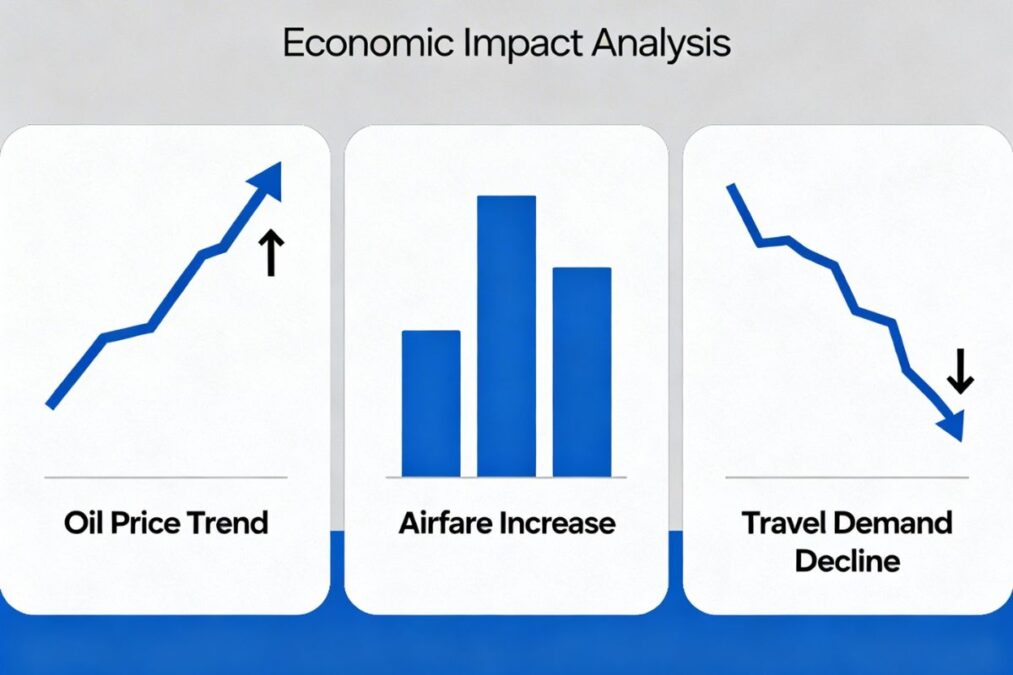
Around $80 per barrel could mark crude oil prices in the second quarter, according to analysts at Oxford Economics. Yet a shift toward $60 may emerge later this year under current projections.
Because jet fuel comes from crude oil, rising prices impact flying expenses immediately. When flight paths grow longer and aircraft operate less efficiently, pressure builds across airline budgets – passenger fares tend to reflect this shift soon after. Fuel market changes ripple through travel costs without delay.
Middle East Tourism Recovery Expected to Be Slow
Should hostilities cease without delay, regional tourism rebound could still lag behind. Into early summer of 2026, traveler interest likely stays subdued; only by late summer might conditions support modest gains, provided views on security settle. Despite a swift resolution, momentum in visitor numbers may take months to rebuild for Middle East tourism markets.
Should unrest fade, movement patterns may still reflect hesitation, experts suggest. Confidence tends to return slowly once safety concerns have taken hold in a region. Following political disturbances, visitor numbers commonly remain low even when hostilities cease. Perception lingers after events conclude. Travel decisions are shaped more by memory than current conditions. Regions once unstable face long shadows despite improved circumstances.
A single-digit share of worldwide travel flows masks the depth of impact felt across the region. Rarely has movement into these countries slowed so sharply within such a short span. Though modest in global terms, the drop carries weight far beyond its percentage. Travel patterns here now reflect shifts seen only during major upheavals. This slowdown stands apart from ordinary fluctuations. Few recent events have altered visitor trends so abruptly in this part of the world.
Also Read: US–Israel conflict on Iran | LIVE Updates | US Consulate in Dubai suspends ops till further notice