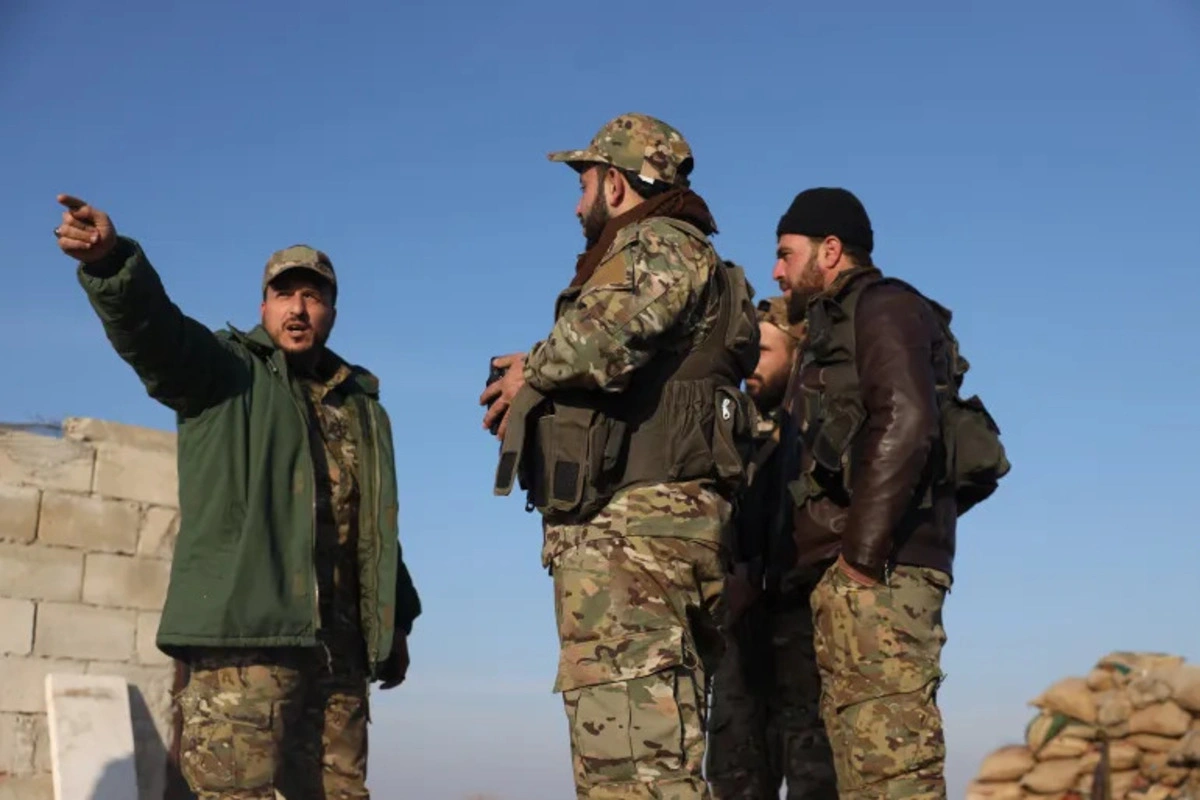
January 17th 2026: On Saturday, the Syrian Army declared that it had captured the strategic settlement of Deir Hafer in the eastern part of the city of Aleppo, and since the Kurdish troops had fled. The relocation is an indication of the changing military and political situation in north Syria, where there is still tension over territorial control and deadlock in the negotiation process between Damascus and the Kurdish government. The overthrow has caused displacement of civilians and humanitarian issues and regional and international powers are still urging restraint. The growth brings out the continued instability in the region and the lack of certainty about the future.
Background: Correction Frontlines In Northern Syria
Months on, the situation in northern Syria has escalated between the Syrian government and the Kurdish-led forces over their control of the territory and political influence. The processes to incorporate the Kurdish forces into the national military in Syria have been dragging and Militarily Damascus has boiled over again.
One of the last major towns in the governorate held by the Kurds was Deir Hafer, approximately 50 kilometres east of Aleppo, and an important point of control of access to the surrounding regions.
Withdrawal And Army Control
Kurdish Forces Withdraw
During the morning of Saturday, the leaders of Kurdish-led Syrian Democratic Forces (SDF) declared their intention to withdraw forces in Deir Hafer and in other positions east of Aleppo. This move was against a backdrop of diplomatic tussle and efforts to prevent an all out war.
As the Kurdish leadership asserted, the move was meant to de-tense as talks were going on regarding the future political formation.
Syrian Army Deployment
After the withdrawal, the Syrian army moved to Deir Hafer and proclaimed to have taken full military control of the town. State media records and AFP coverage proved the presence of government troops that were deployed in the town.
According to government officials, efforts would now be directed towards mine and other war related threats clearance, as well as the protection of critical infrastructure.
Humanitarian Impact
The counter-movement and the progress have had a great impact on the local population. Fleece of civilians were reported to have fled Deir Hafer and nearby regions before the deadline set by the Syrian army to evacuate them due to the possibility of escalation and a new combat.
Syrian army declared that there would be humanitarian evacuation corridors, but it was reported that there were some restrictions and closures which complicated human movements.
Political Developments And Wider Implications
The military transition is dawning on the collapsed talks to include Kurdish armies in Syrian state machinery in a deal that had initially been agreed upon last year.
In a significant political action since recent confrontations, the President of Syria Ahmed al-Sharaa issued a statement that Kurdish was a national language, acknowledging Kurdish cultural rights and giving them other civil rights, after months of marginalisation.
Regional Tensions Persist
Even after the withdrawal, there is tension. Syrian army troops are still consolidating their presence near Aleppo and there are doubts that they may conduct additional campaigns in case the talks and negotiation processes fail.
The involvement of international players, the United States included, has urged restraint and reentered diplomatic involvement to avoid a broader war and ensure the stability of the region.
The Road Ahead
The case of seizure Deir Hafer by Syrian army points to the continued instability in northern Syria. Further diplomatic efforts will also be relevant towards avoiding new conflicts. The displaced citizens are still centrally focused with humanitarian issues regarding seeking refuge. Political bargains in terms of autonomy and integration of Kurds will determine future political governance in Syria.
Also read: UAE Observes Day of Resolve: Honouring Strength, Unity And Readiness