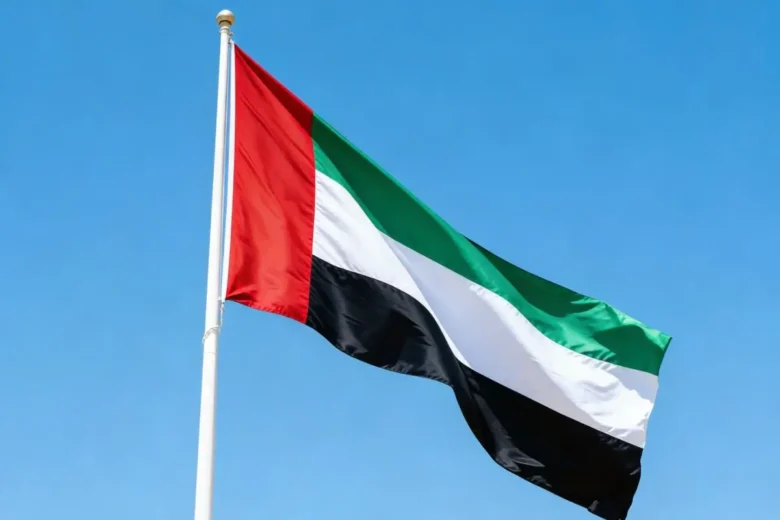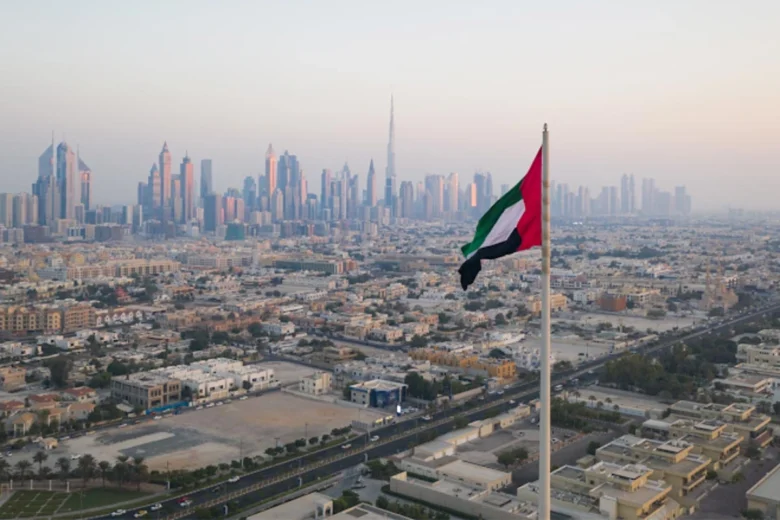
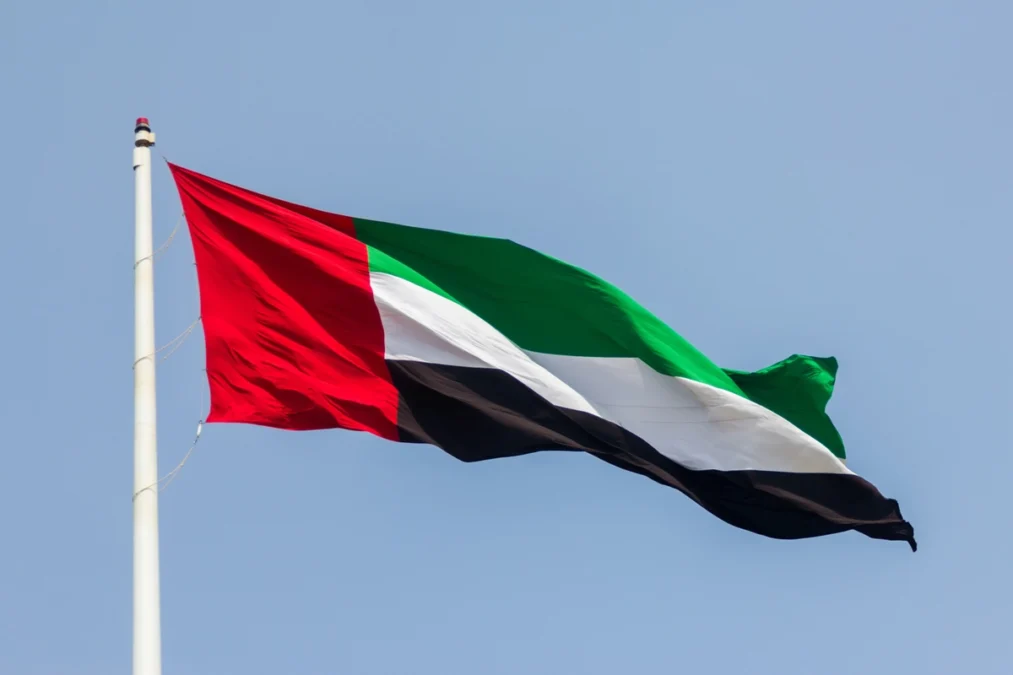
UAE February 23rd, 2026: The United Arab Emirates has made it clear that it is in support of Kuwait, in the protection of its maritime sovereignty, following the recent occurrences where Iraq submitted a maritime claim to the United Nations.
In a formal declaration, the UAE reiterated that the maritime sovereignty of Kuwait should be categorically adhered to as per the international law and as per agreements that are in existence. The UAE emphasized that the issue of securing the sovereignty of the seas was not only a question of national rights but also a foundation of stability in the Gulf. The Emirati stand is indicative of ancient fraternal relations between the two Gulf countries and testifies to the desire of the UAE to maintain security and collaboration in the region.
UN Submission By Iraq Is A Cause Of Concern
The situation that occurred was following the submission of fresh sea coordinates and maps by Iraq to the United Nations. Kuwaiti authorities believe that such a move could impact on regions within Kuwaiti maritime boundaries, and there are concerns as to the implications that this might have on the Kuwaiti maritime sovereignty.
Some of the features that have been mentioned include the offshore maritime features with strategic and economic importance. These areas are highly associated with maritime sovereignty since they give the right to fish, control the sea routes, and naturally occurring resources below the sea. Kuwait had retaliated by filing an official protest claiming that any unilateral action that can affect its sovereignty in the sea goes against the established legal framework and bilateral agreements.
UAE Requests To Respect International Law
According to the statement of the Ministry of Foreign Affairs of the UAE, it is vital to follow international conventions that regulate the maritime boundaries, especially the 1982 United Nations Convention on the Law of the Sea (UNCLOS).
The Ministry emphasized that maritime sovereignty should be approached at the legal level and positive discussion instead of unilateral measures, which may lead to the increase of tension. On reaffirming the maritime sovereignty of Kuwait, the UAE also affirmed the notion that the issues of maritime territories must be settled amicably and in a way that enhances collaboration in the region as opposed to weakening it.
The Strategy Of The Sovereignty Of The Sea
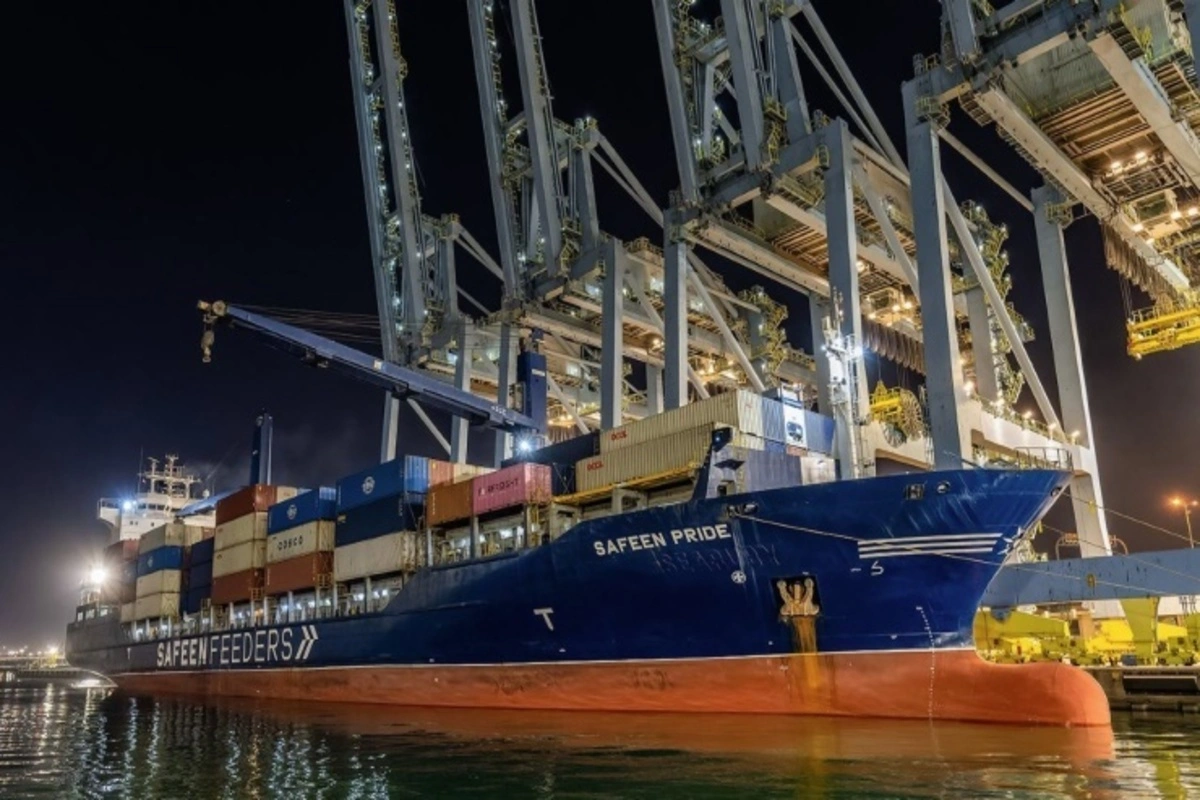
The Gulf Region maritime sovereignty has a heavy geopolitical and economic burden. Domination of the maritime areas has implications on things like the availability of oil and gas fields, port operations and shipping lanes, marine resources and fisheries and position of national security and defense.
In the case of Kuwait, maritime sovereignty is notably essential due to its geographical positioning of a coastline and dependence on maritime trade and offshore resources. Any perceived threat to maritime sovereignty thus goes beyond cartographic changes. The Gulf region has been experiencing maritime boundary deliberations in the past, and, therefore, it is important to adhere to agreed frameworks to avoid a further confrontation.
The Focus On Dialogue And Regional Stability
Emirati authorities pushed Iraq to preserve historic and brotherly relations with Kuwait and to pursue responsible diplomatic activities. The observers also state that the problem will probably become a question of diplomatic and legal approaches within the context of international law.
Regarding the maritime sovereignty, the UAE observed it is directly related to improving the trust in the neighboring states, securing regional security and preventing superfluous political aggravation. In the process of supporting the maritime sovereignty of Kuwait, the UAE will also strengthen the Gulf unity at a time when regional stability remains the common agenda.

A Broader Gulf Context
The nature of the maritime boundaries in the Gulf is sensitive based on the narrow waterways and the closeness of the close states. Other offshore regions have also been the subject of bilateral discussion in the past. At that, maritime sovereignty is regarded not only as a legal matter but a source of national identity and territorial integrity as well. Diplomatic discretion is thus necessary in order to not be misunderstood or trigger an escalation. The statement of the UAE is indicative of the wider pattern of the Gulf Cooperation Council (GCC) to assist member states on issues of sovereignty and territorial rights.
Kuwait demanding to uphold its maritime sovereignty backed by the UAE, is an indicator that dialogue and not confrontation will continue to be the way to go. The issue of maritime sovereignty is not only about boundaries but stability, collaboration, and respect among the neighboring countries. The interest in diplomacy, clarity in the law, and the joint vision of preserving peace in the Gulf region have not changed as the situation unfolds.