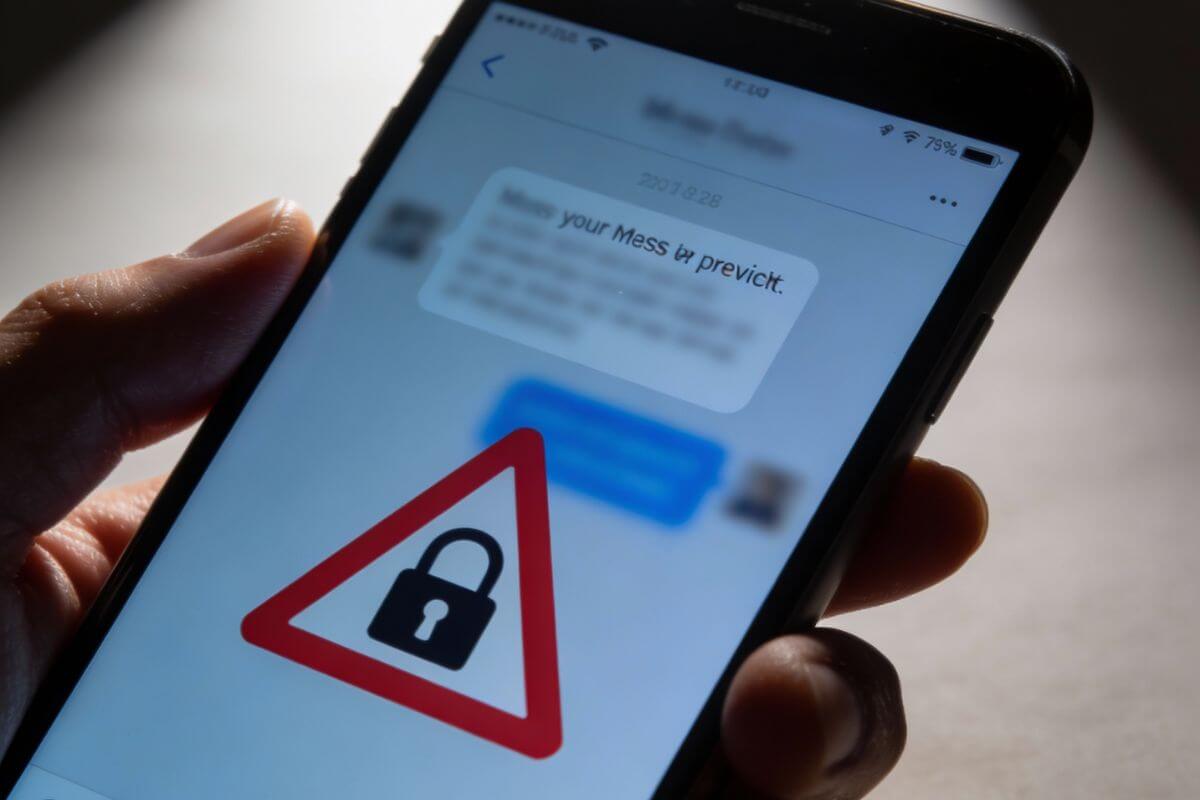
A jump of 35 percent in SMS Phishing scams has been noted by officials, since fraudsters now mimic familiar organizations more cleverly – grabbing private details through sharper tricks. Though warnings exist, fake alerts still slip past notice, shaped like real messages people trust every day.
Rising SMS Phishing Scams in UAE
Lately, fake texts have been spreading fast across the UAE. The Cyber Security Council sounds an alert after spotting approximately 35% rise in SMS Phishing scams over the past years. Crooks now craft messages so realistic they slip past most guards. Hidden behind familiar-looking alerts, these traps aim straight at your data, money, wallet apps. Each new wave adapts quicker, shaped to trick even cautious users. What seems like a bank note might be a doorway for thieves. Vigilance matters more each day, yet catching every lie grows tougher. Messages arrive silent, but consequences roar loud.
A sudden rise in messaging apps caught officials off guard, opening doors for scammers to trick regular users. With phones now central to paying bills, buying goods, or checking official updates, fake texts spread fast – cyber thieves favor these shortcuts to grab private data before anyone notices.
Fraudsters Use Complex Lies
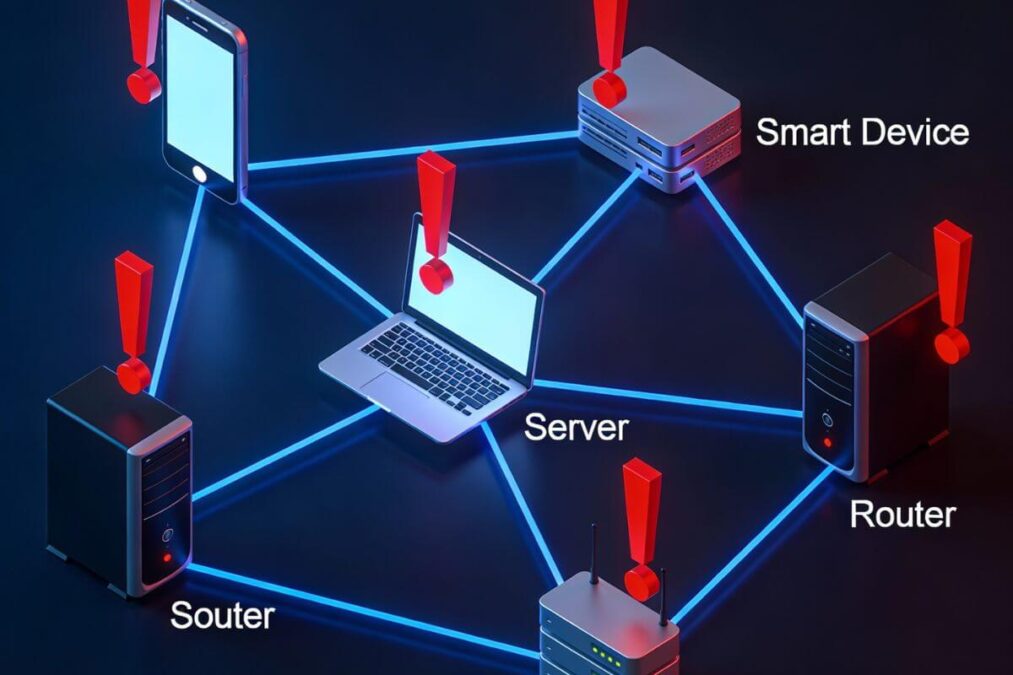
Not long ago, fake prize texts were the main worry. Today things look different. Criminals craft clever lies that feel real. They pretend to be tax offices, banks, shipping firms, even universities. A message might claim your package is stuck. Another says your login needs fixing right away. The goal always stays the same. Get you to hand over passwords or card details. Urgency does most of the work. That rush makes people act fast – think later. Trusting a name you know helps them win.
One moment you’re checking a text, next your bank info is gone. SMS Phishing scams or fake alerts now look like real notices, complete with official symbols and proper grammar. Because they seem legit, people click before thinking. These messages play on urgency, using threats or promises to rush decisions. Links lead to copycat sites built to steal what matters most. Your national ID number might vanish into their hands just like that. Trust gets twisted until caution feels like doubt.
Warning signs of SMS Phishing Scams
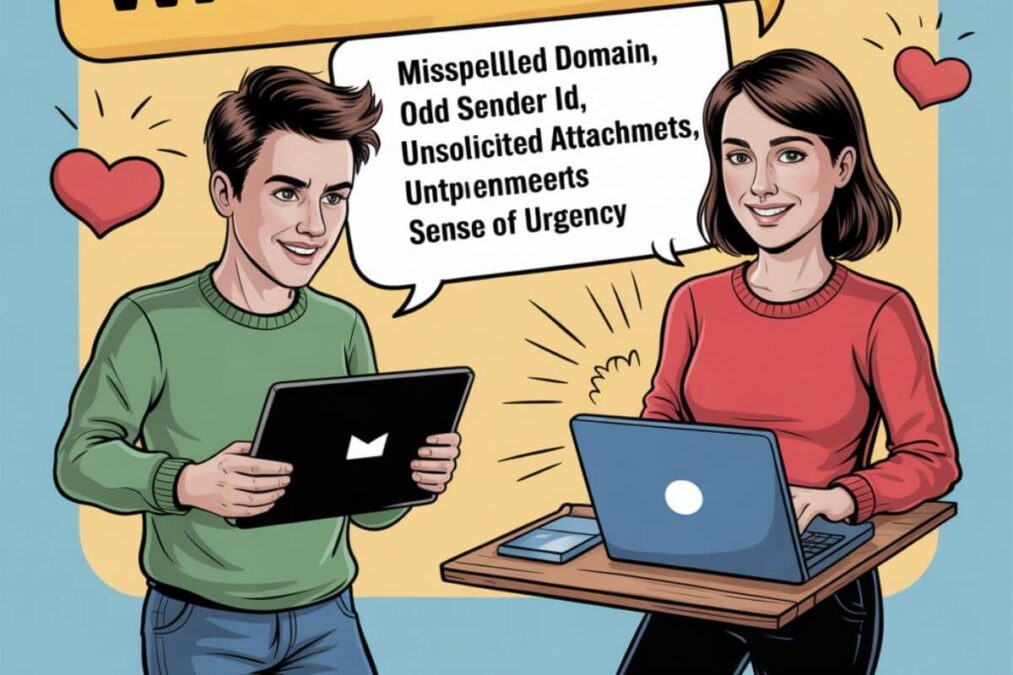
Urgency shows up a lot in SMS Phishing scams. A warning pops up saying you must act now – otherwise, trouble follows. Think blocked accounts or fines appearing out of nowhere. Maybe even prizes vanishing by tomorrow. The pressure tactics tend to signal something is off. The Cyber Security Council points at them regularly. Public alerts often highlight this pattern that rings alarm bells every single time.
Starts with a red flag, messages missing your name feel off. Real companies usually say who you are, but scam texts tend to open with something vague. Sounds amazing out of nowhere. Like winning money, you never tried for. Those kinds often hide tricks. Another clue shows up in the sender details. Numbers from faraway places pop up more than normal or names on screen that do not match any known contact.
Out of nowhere, messages like “You have won” pop up – often a red flag spotted by the CSC. Think twice when you see “You are entitled to a refund” – it’s been tied to sneaky texts aiming to trick clicks. A request to verify your bank account? That one shows up again and again in scam alerts. Then there’s “Exclusive discounted credit card offers,” slipping into inboxes disguised as luck. These lines – they’re go-to traps set by fraudsters sending fake links through SMS, doing SMS Phishing scams.
People advised to act quickly for safety
Watch out for fake text messages by staying alert and acting fast. If something feels off about a message, toss it right away instead of replying – ever. Getting rid of shady texts means hitting delete without delay, then stopping contact by blocking the number. Links inside those notes? Don’t tap them, just walk away from the screen. Following these steps helps keep trouble of SMS Phishing scams at bay when phones buzz with fakes.
Spotting trouble early makes a difference. When people tell officials about SMS Phishing scams, it gives security experts clues they need to spot trends, shut down shady phone lines, one threat at a time. Fast alerts slow down fraudsters before more users get caught. Each report adds up – quietly building resistance across networks.
When a message asks for private or money-related info, double-check it first. Reach out straight to the organization – use their real website or phone number instead of what’s shown in the message. That way, fake alerts won’t lead you wrong. Official paths keep things clear. Trust only the contacts you already know are legit.

Healthy routines that lower risk of contact
Not stopping at quick fixes, the group urged locals to build steady routines that guard against fake text tricks. Apps designed to catch junk texts often stop shady notes before they appear on screen. Getting rid of odd or unfamiliar alerts right away lowers chances of clicking something harmful by mistake.
Each week, the “Cyber Pulse” effort shines a light on basic online safety habits – like updating gadgets regularly, choosing tough passwords, while turning on extra login checks when available. Should a person fall for a fake text message scam, these steps might still block serious harm
Cyber Awareness Starts with You
The CSC made clear that stopping SMS phishing scams isn’t just up to officials. People staying alert matters just as much when building stronger digital safety across the country. Spotting familiar tricks, acting carefully, these steps turn ordinary citizens into frontline shields against online scams and SMS Phishing scams.
Change never stops, so neither should our attention. Because tricks shift daily, staying sharp matters more than ever. Learning how scams work helps people see through lies. Knowing what to watch for makes a difference each time someone checks their phone. Acting carefully online builds stronger protection every day.
A Growing Digital Security Challenge
Nowhere is the strain more visible than in how often systems get tested by outside threats. Because tech moves fast, risks grow faster, leaving gaps hard to patch. Messages pretending to be safe arrive daily, fooling those who trust them. When agencies work like neighbors, protection improves without grand plans. Safety online matters now simply because everyone uses it every day.
Alertness by everyday users adds to what the UAE is already doing to shield its online systems from new hacking risks and SMS Phishing scams. When people pay attention and know the signs, they slow down fake text message traps that aim to steal money or personal details. A single cautious step today might block a breach tomorrow – simple awareness often stops bigger harm before it starts.
Also Read: A Strategic Call to Reaffirm Regional Security by the UAE President with The Iranian President