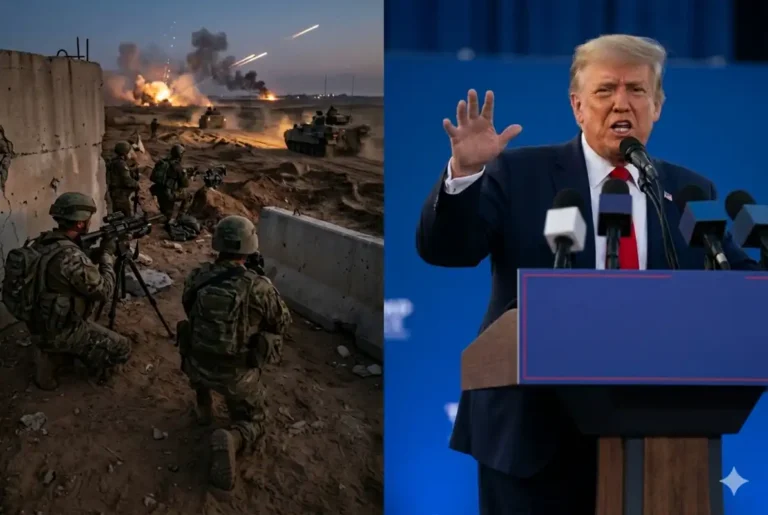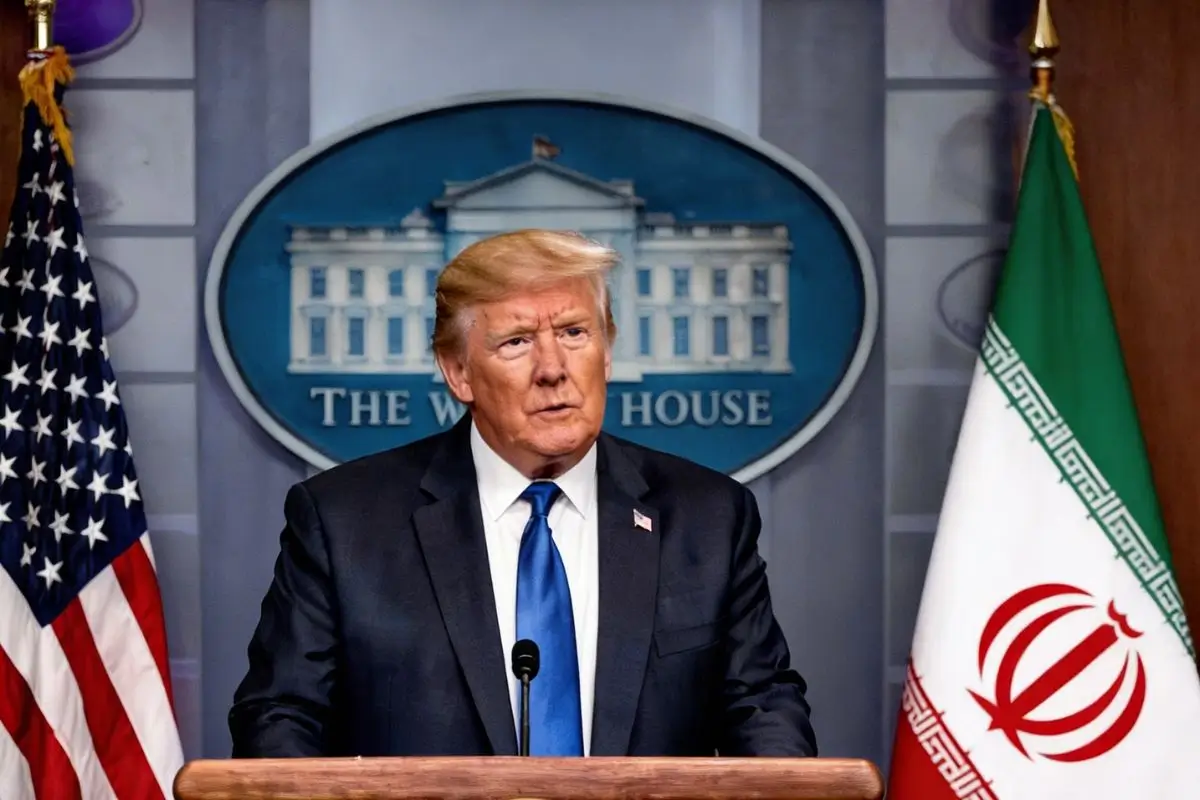
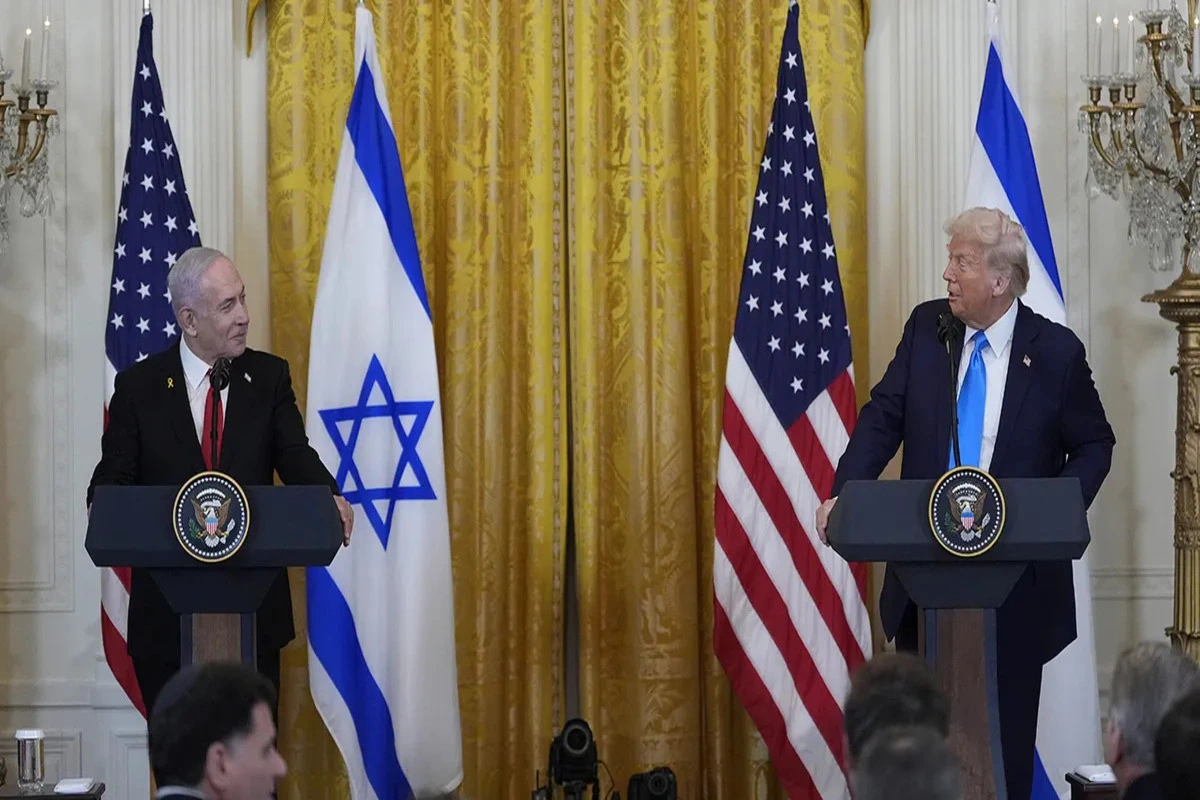
February 16th, 2026: U.S. President Donald Trump is reported to have told Israeli Prime Minister Benjamin Netanyahu that against the Iranian missile program, the U.S will support Israeli military intervention, in case the United States and Iran fail to reach a consensus in their technical talks. The disclosure is surrounded by the fresh nuclear negotiations and the increasing tension in the region, highlighting the thin boundary between diplomacy and the risk of war.
The High-Stakes Meeting Regarding The Support In The Missile Program
In a December visit to his estate in Florida, Trump informed Netanyahu that the U.S. would assist Israeli attacks on the Iranian ballistic missile program in case negotiations would not lead to an agreement. The talks were initially reported by the CBS News, citing officials in the U.S. who knew about the talks.
These reports suggest that it is not just rhetorical, senior American military and intelligence officials have started to give consideration to what such support would variously look like in actual practice. This involves potential fueling of Israeli airplanes in the air and attempts to ensure that neighboring countries permit the Israeli jets to fly within or over the airspace of the region.
The direct connection of the aid to the act of support to Israel and the breakdown of U.S.-Iran negotiations emphasize the dual approach of the Trump administration that included the negotiations and maintained the military possibilities such as the missile program.
Diplomacy Resumes At Geneva
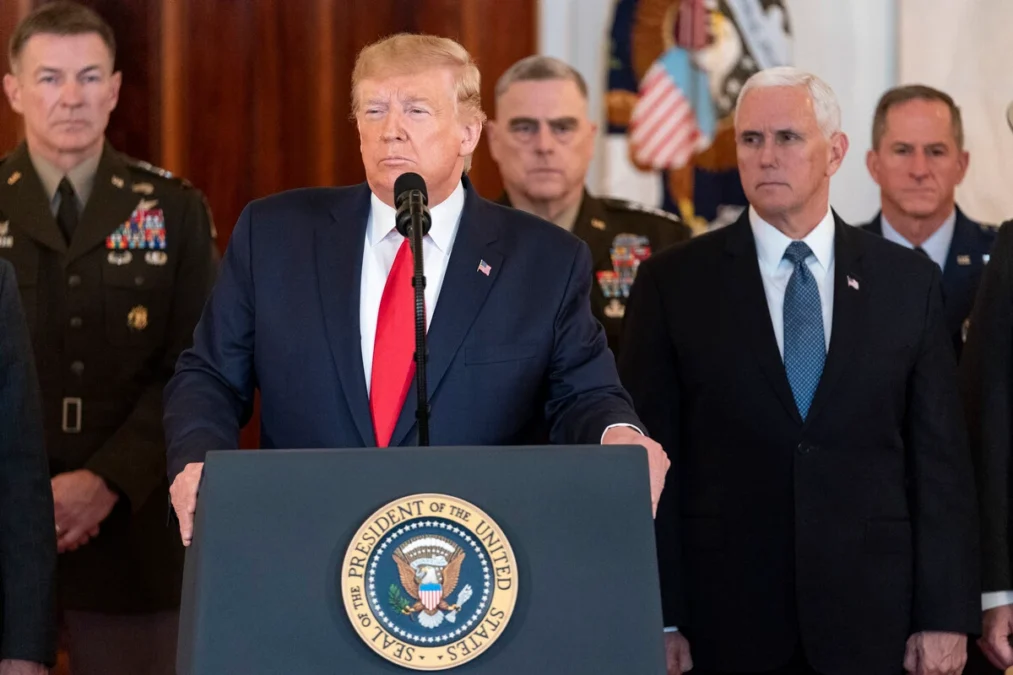
The Trump administration has pointed out that diplomacy is its favored path of dealing with the Iranian nuclear ambitions despite doubts that negotiations will bear fruits. The second round of indirect U.S.-Iran nuclear talks is taking place in Geneva, with the Iranian delegates including Foreign Minister, Abbas Araghchi, attending and expressing willingness to make compromises on such issues as uranium enrichment. The U.S. Secretary of State, Marco Rubio has publicly mentioned that he would rather resolve the tensions via negotiation as opposed to a conflict, even though the talks might still fail.
But still Israel is doubtful. Netanyahu has emphasized that any ultimate agreement with Iran should not just deal with its nuclear program but also ballistic missiles and support of regional proxies. On the side of Netanyahu, the limitation of the missile program in Iran is the key to national security in Israel.
Preparations And Regional Responses Of The U.S. Military
There is also reportedly more than just the theoretical talk among the defense planners in Washington. U.S. military and intelligence leaders are starting to consider how to offer meaningful assistance in case Israel conducts attacks on the Iranian missile program.
This emphasis on logistics, including aerial refueling or diplomatic overflight agreements, is indicative of the complexity of any possible military campaign and that of the regional partners that are unwilling to be directly involved with the missile program. Other countries such as Jordan, Saudi Arabia and the United Arab Emirates have even declared that they would not permit their airspace to be utilized in any attacks on Iran.
On the other hand, the US has deployed a lot of military resources to the area. The second aircraft carrier strike force has been deployed in the Middle East, which adds to the American preparedness, and talks with the diplomats go on.
The Greater Regional Environment
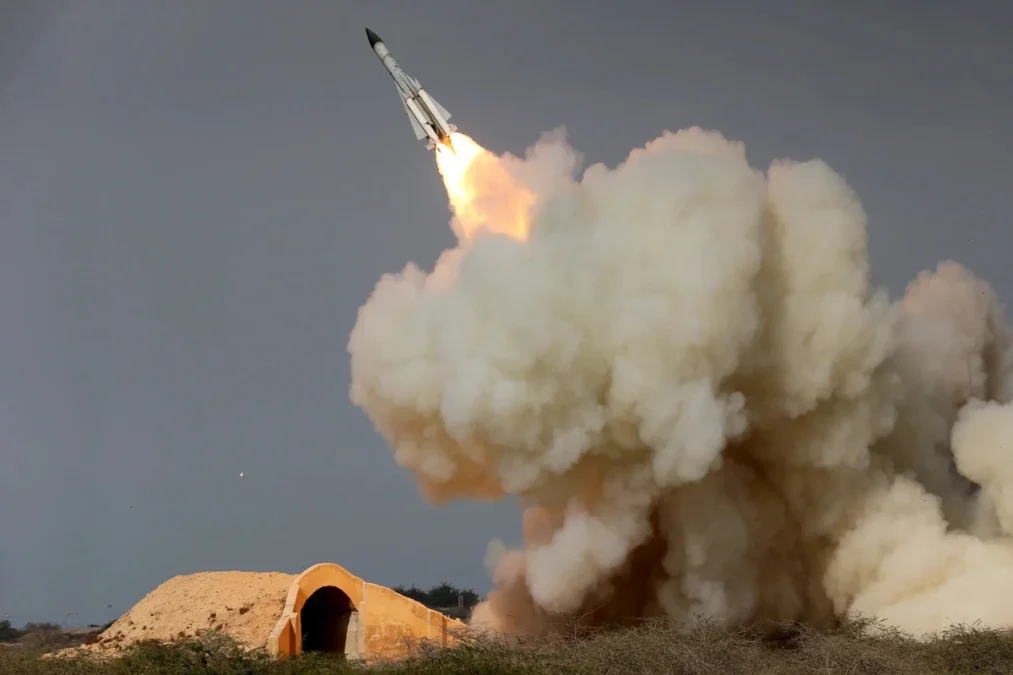
The conflict between Israel and Iran has a quite substantial and complicated history with direct and proxy wars and the last-year 12-day war with the strikes against Iranian targets being included. Efforts to curb the nuclear and missile program in Iran have become a major concern of that war and in the ensuing talks.
Iran is demanding that it is ready to negotiate; it is adamant on its main interests, that is; keeping some nuclear and missile capacity unless sanctions are lifted and economic incentives provided.
Striking a Balance between Diplomacy And Deterrence
The attitude reported by Trump is indicative of a greater strategic calculation, afford diplomacy in all the opportunity and leave no doubt that there will be military serious consequences should negotiations break down. The administration is hoping to reenact deterrence by connecting U.S support to Israeli capability of targeting the Iranian missile program and retaining leverage in the negotiating table.
This balancing act is still in question since the diplomacy in Geneva is still ongoing, and this might either lead to the aversion of the war, or provoke the further increase of tensions.
Also read: Sheikh Hamdan Rewards Arab Hope Makers Winners In Grand Ceremony