

Two-week truce offers temporary relief, but ongoing regional tensions and deep divisions keep risks high
A Temporary Halt, not a Peace Deal
The US Iran truce announced on April 7, 2026, has temporarily halted direct hostilities following weeks of escalating conflict between Washington and Tehran. Mediated by Pakistan, the agreement aims to reduce tensions, reopen important trade routes, and create space for diplomacy. However, both sides have clarified that this is not a final peace agreement, but a short period of pause with unsettled outcomes.
Key Players in a Complex Conflict
The US Iran truce involves several key players shaping stability of the region. The US and Iran remain the main actors, while a central mediation role has taken by Pakistan. Even not part of the agreement, Israel continues military operations as part of the broader conflict. Lebanon and Hezbollah remain critical components, with their entanglement hindering a final settlement. European nations are also pushing for sustained diplomatic engagement.
From Escalation to Ceasefire
The US Iran truce was set against an upward trajectory of conflict. By February and March 2026, strikes and countermoves threatened to spiral into a full-scale regional conflict. Increasing global pressure and economic concerns eventually led to the ceasefire announcement on April 7, with talks expected to take place in Islamabad within the two-week window.
Why the Ceasefire Was Necessary
The US Iran truce was driven by urgent strategic priorities. The risk of a broader Middle East war, combined with disruptions to global oil supplies through the Strait of Hormuz, forced international actors to push for de-escalation. The agreement also aims to reduce civilian harm and provide an opportunity for diplomatic negotiations.
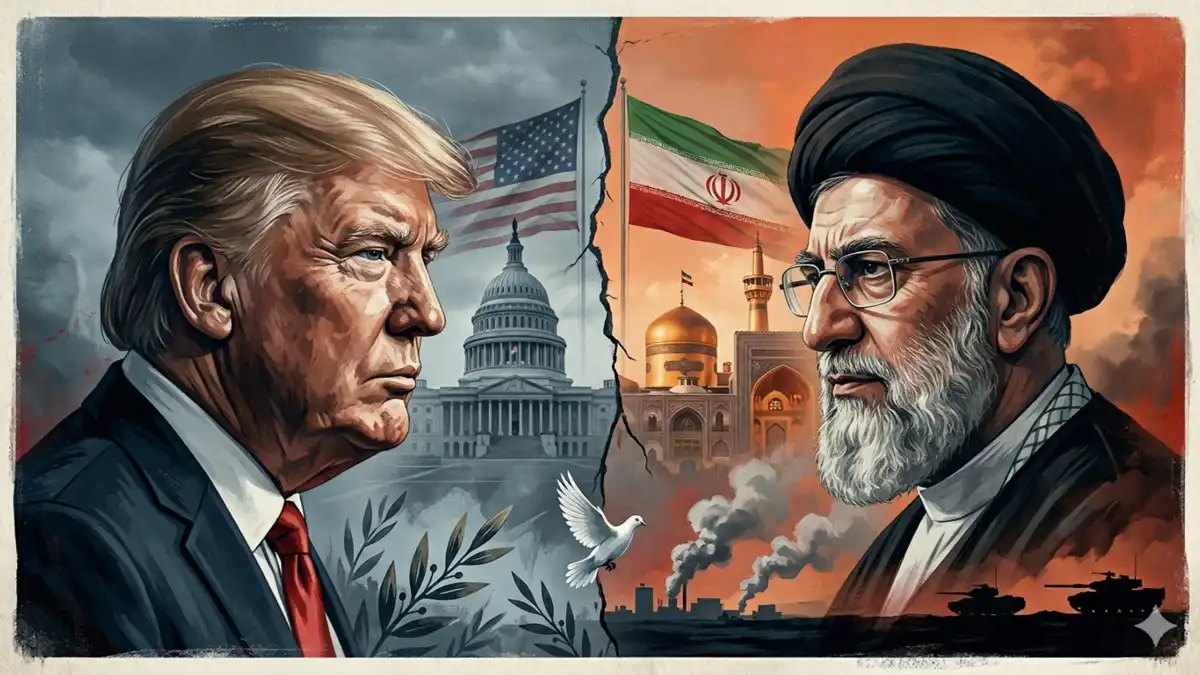
Iran’s Approach: A Greater Regional Focus
Within the US-Iran truce framework, Iran approaches the matter of sovereignty and incorporation. It seeks to maintain its nuclear and defense policies unchanged while calling for broader inquiries into the ceasefire regarding the Lebanon conflict area. Further, Tehran has signaled that its cooperation is based on reciprocity, especially from the United States.
US Demands: Security and Strategic Limits
Under the US Iran truce, US is pushing for stricter conditions, including limits on Iran’s nuclear activities, missile program, and regional influence through allied groups. Ensuring a secure path through the Strait of Hormuz remains a top priority for Washington.
Core Issue: Deep Differences Persist
Despite the US Iran truce, significant gaps still remain between both sides. The disagreements over nuclear policy, regional influence, and military strategy mean that the ceasefire serves only as an initial point for negotiations instead of a resolution.
Israel–Lebanon Conflict Continues
One of the major flaws of the US-Iran truce is that it is very limited in scope. With Israel continuing operations in Lebanon, they state they are not bound by any such agreement, and Iran insists that any serious or credible ceasefire must include the region. This only serves to show that the truce is “partial and fragile”, keeping a primary flashpoint open.
Confusion and Contradictions on the Ground
The implementation of the US-Iran truce brought about new proportions and manifestations of discrepancies. The United States referred it as a limited arrangement, while Pakistan presented it as a great diplomatic success. Iran has warned of withdrawal if violations occur, yet military operations continue in some areas, indicating the fragile nature of the agreement.
Global Impact and Short-Term Relief
The US Iran truce has already had measurable global effects. Oil markets have stabilized, and shipping routes through the Strait of Hormuz are expected to normalize. This has provided temporary relief to global economies and reduced immediate geopolitical risk.
Risks That Could Derail the Truce
Despite its benefits, the US Iran truce faces significant risks. Continued conflict involving Israel and Lebanon, unresolved nuclear disputes, and tensions over proxy groups could all lead to a breakdown. If negotiations fail, the region could quickly return to escalation.
A Strategic Pause with Uncertain Future
Experts widely view the US Iran truce as a strategic pause rather than a lasting solution. It offers a brief window for diplomacy, but without addressing core issues, the agreement may only delay further conflict.
Conclusion
The US Iran truce provides a crucial but limited opportunity to shift from conflict to dialogue. Whether it evolves into a lasting peace or collapses into renewed confrontation will depend on the success of upcoming negotiations and the willingness of all parties to bridge deep divides.
Also Read: Abu Dhabi Police Intensify Reckless Driving Crackdown, Nab Stunt Drivers