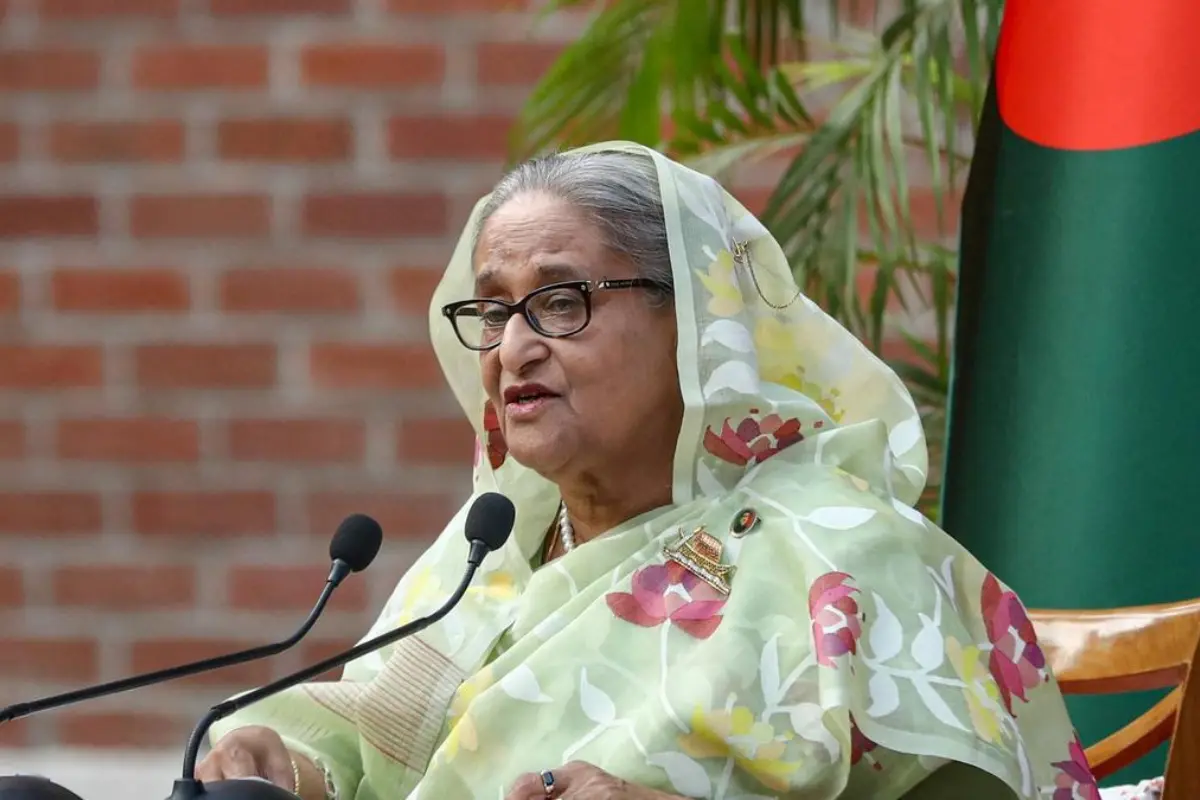
November 20, 2025 | Dubai, UAE: The political landscape of South Asia is currently gripped by a high stakes standoff involving two major neighbours. Following a dramatic shift in power in Dhaka former Bangladeshi Prime Minister Shaikh Hasina has been sentenced to death in absentia by a tribunal on charges of crimes against humanity.
Shaikh Hasina is currently finding refuge in India, prompting an extradition demand from the new interim government in Bangladesh. For New Delhi the request to return Shaikh Hasina is not just a routine legal matter. It’s a diplomatic tightrope walk with massive geopolitical implications and analysts universally agree India is highly unlikely to comply.
Legal and Humanitarian Walls
At the heart of India’s refusal lies the fundamental framework of its legal system and the bilateral extradition treaty signed with Bangladesh in 2013 ironically during shaikh hasina’s time in office. Extradition treaties universally contain clauses designed to protect individuals facing politicized charges or the death penalty and the India Bangladesh treaty is no exception.
The key provision is the political offence exception. India views the verdict against the former Prime Minister as an act of political vindictiveness rather than impartial justice. Her Awami League party has stated the charges are biased and motivated by the interim government’s desire to remove its chief political rival. India’s history of non intervention in politically charged cases involving neighbouring dissidents provides a strong precedent for rejection.
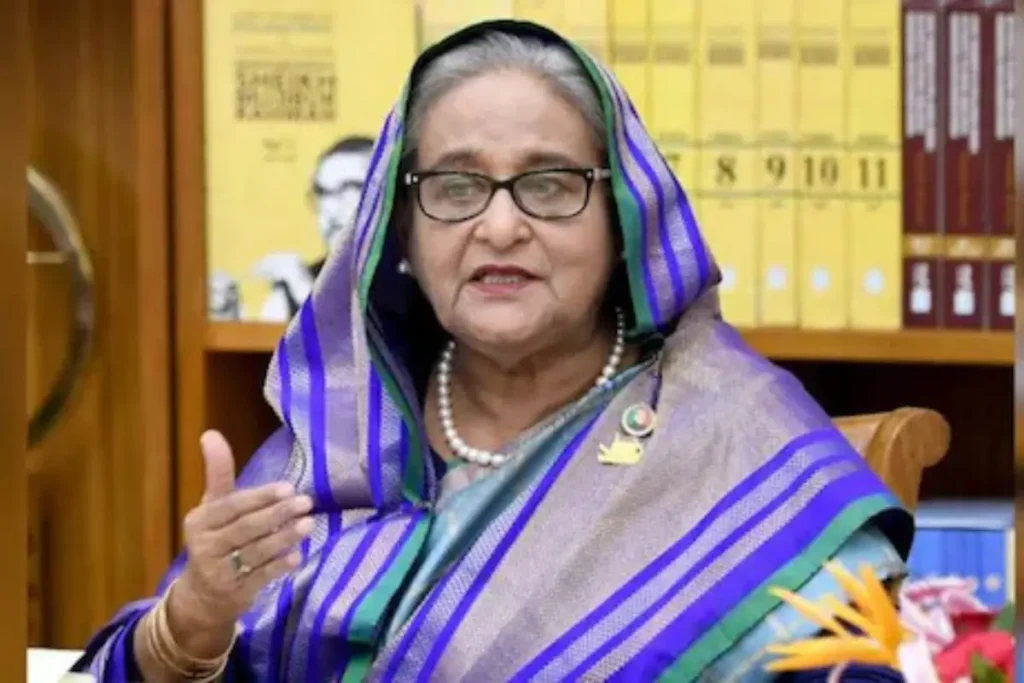
More critically India opposes the death penalty. Returning any individual to a country where they face execution contradicts India’s established constitutional traditions and humanitarian posture. As one former Indian High Commissioner noted “How can New Delhi push her towards her death?” Even if India were eager to forge a strong working relationship with the post-Shaikh Hasina government.
The moral and legal barrier to sending Shaikh Hasina to the gallows is simply too high. India can easily cite legal grounds for refusing the request and focusing on the reasonable fear of persecution and denial of due process, thereby placing the fate of Shaikh Hasina under international legal scrutiny.
The Geopolitical Calculus: Losing a Strategic Ally
India’s reluctance stems not just from legal grounds but also from deep geopolitical calculations. For nearly fifteen years the government led by shaikh hasina was Delhi’s most reliable regional partner. This alliance was instrumental in maintaining security along the highly sensitive eastern border tackling insurgency and fostering economic integration.
Her strong stance against anti India extremist groups operating from Bangladeshi soil was invaluable to New Delhi’s national security interests.
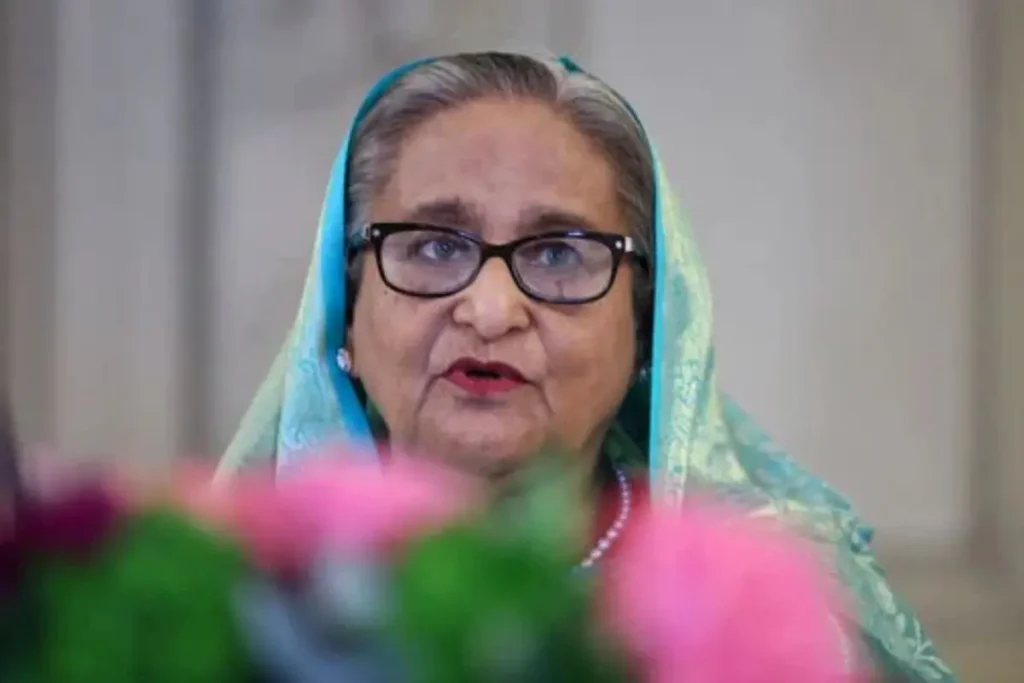
The former relationship was a flourishing economic, security and political alliance. The current relationship with the interim government. However is characterized by frostiness and mistrust. Extraditing Shaikh Hasina would be viewed by her supporters millions of active Awami League members as a betrayal, potentially destabilizing the entire region and setting off further political unrest.
For India the long term risk of fueling regional instability far outweighs the short term political gain of acceding to Dhaka’s request.
New Delhi has expressed a commitment to stability and democracy in Bangladesh. Its actions will be interpreted through the lens of self-interest. Preserving regional stability requires a careful long term approach and turning over an influential political figure like Shaikh Hasina would irrevocably damage India’s standing in South Asia as a whole, signaling an abandonment of a former close ally.
A New Era of Mistrust and the Road Ahead
The controversy surrounding Shaikh Hasina’s fate is emblematic of the fractured state of Indo-Bangladesh ties. The new government in Dhaka led by figures like Dr. Muhammad Yunus, is reportedly pushing hard for the extradition viewing it as a matter of achieving “justice” for alleged crimes. They argue that India’s continued refuge of the former premier is an “unfriendly act” and a disregard for justice.
Despite the pressure India is currently facing a delicate balancing act. It must engage with the new dispensation in Dhaka yet it cannot afford to sacrifice its legal and moral authority or compromise its long-term strategic interests.
The most probable outcome is that India will delay the decision indefinitely, using the legal complexities and humanitarian grounds as a shield. This strategy allows India to avoid outright conflict while effectively ensuring that the death sentence handed to Shaikh Hasina remains an empty threat.
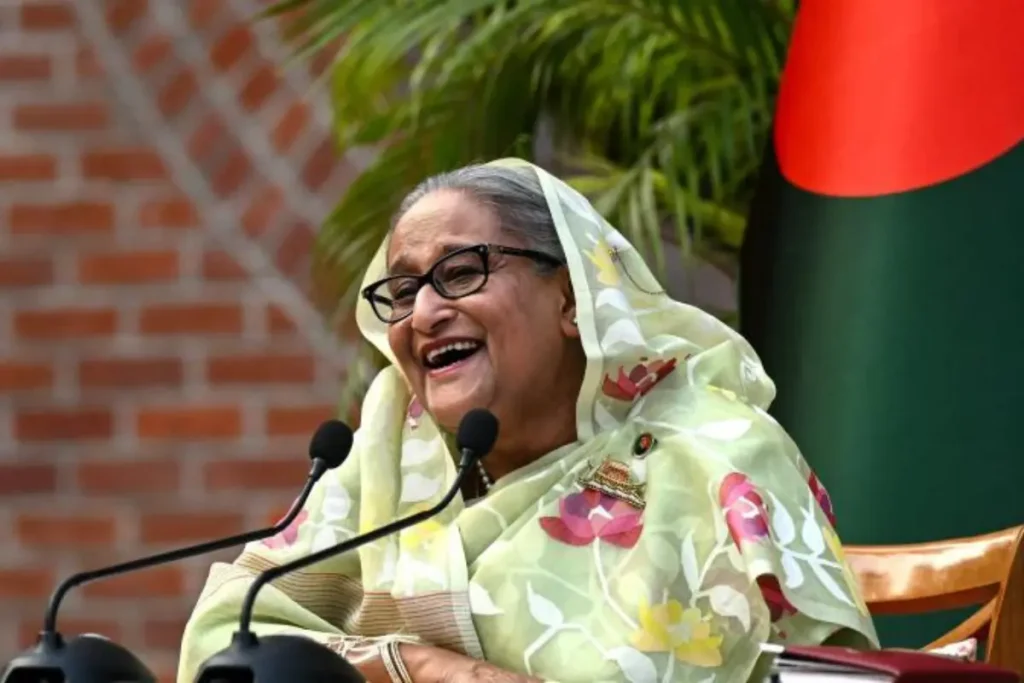
The immediate future of Shaikh Hasina now depends entirely on New Delhi’s sustained diplomatic resolve. For the former Prime Minister, India represents the only barrier between her and the gallows. For India refusing extradition solidifies its reputation as a power that adheres to the rule of law and international norms even when faced with significant political pressure from its neighbours.
The world watches closely to see how this dramatic chapter in South Asian politics revolving around the fate of Shaikh Hasina.
Read more: Unified GCC Visa Updates Effect on the Region’s Travel Landscape