December 12, 2025 | Dubai, UAE: Therefore, beginning in 2026, the UAE is undertaking the mega-refurbishment of traffic laws on the part of which no one can remain unaware: students, commuters, and delivery riders. The purpose of these UAE New Traffic Rules 2025 is to make the roads safer, to reduce the traffic jams, and some update a great number of old infrastructure. Whether it is the variable tolls or the prohibition of certain cars and the installation of special lanes, you just need to keep up, or you will be fined or even worse, you will be involved in accidents.
UAE New Traffic Rules 2025
- Darb Toll System Overhaul, Abu Dhabi
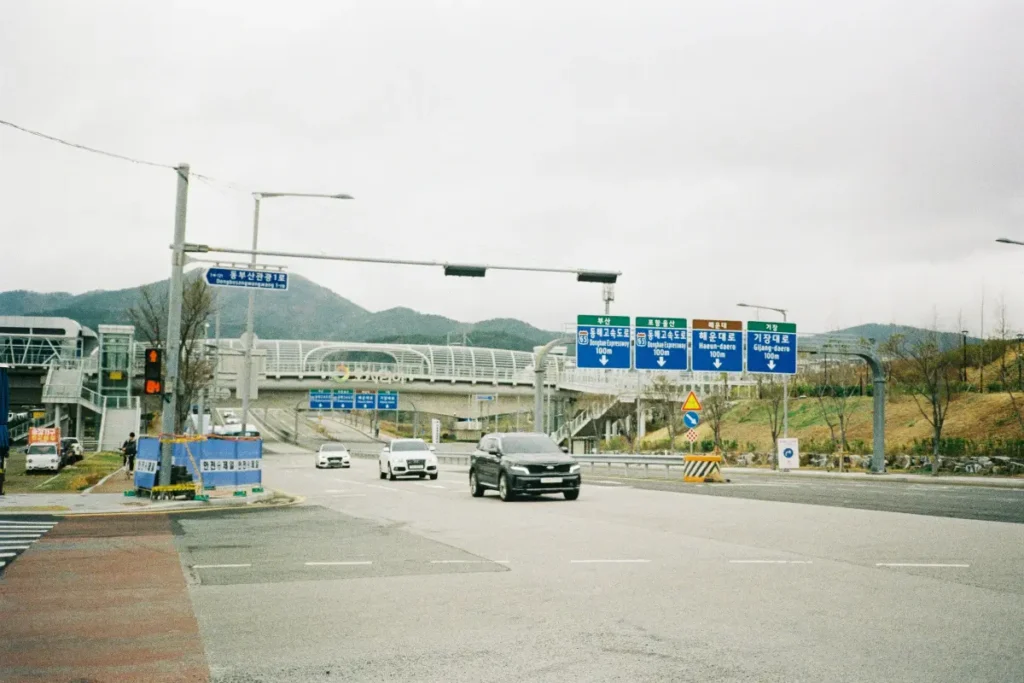
Darb toll system was completely revamped on 1st September, 2025. The UAE New Traffic Rules 2025 prices will be 3 pm- 7 pm Monday to Saturday, compared to the previous 5 pm- 7 pm. The objective: alleviate the congestion during the rush hours by encouraging people to change their timing.
Key Changes:
- Long evening charging hours (3 pm -7 pm vs. old 5 pm-7 pm)
- Daily and monthly toll charges on private vehicles removed.
- Free passage is still to be made on Sundays and official public holidays.
- No change of morning tariff hours.
- Current exemptions that are retained for People of Determination, low-income families, seniors, and retirees.
The Transport Centre reduced the caps to allow the traffic to move better during the times when the traffic is heaviest. Admittedly, a part of the drivers among us may probably end up paying more, but the authorities will reduce the traffic and assist the environment.
- The Implementation of the Variable Speed Limit System
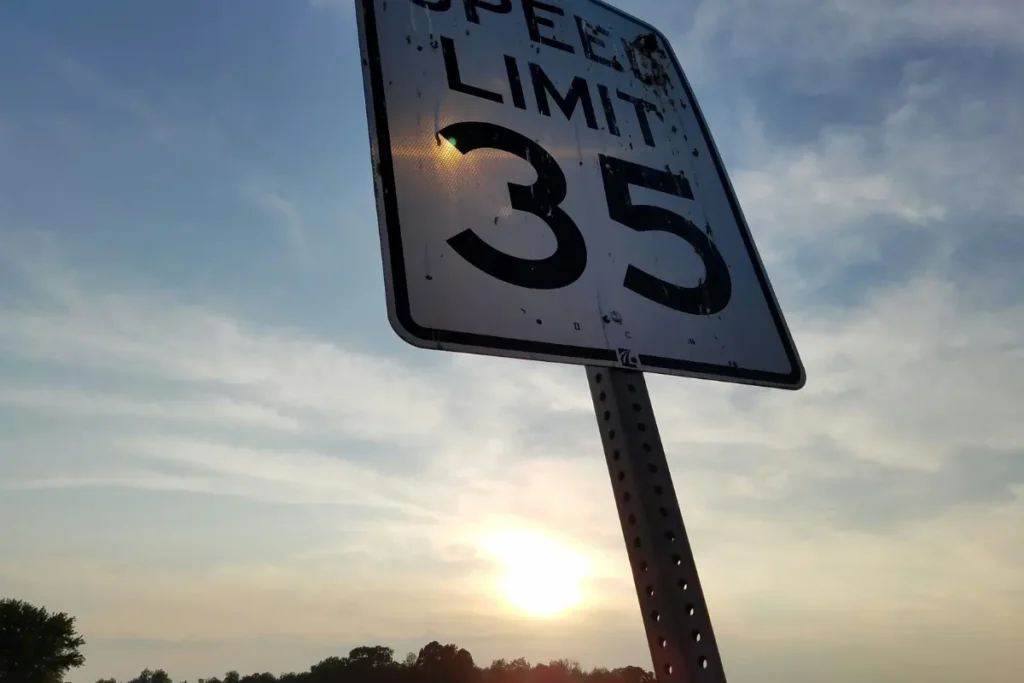
Among the most amazing technological improvements in the UAE New Traffic Rules 2025 is the adjustable speed limit on Abu Dhabi Sheikh Zayed bin Sultan Road. The speed limit varies automatically at the time of real traffic conditions towards October 27, 2025, by electronic signs.
System Features:
- Electronic signs vary their limits according to real-time conditions.
- Some of the factors are congestion, incidents, construction zones, and weather.
- Linked to the central control that obtains sensor and camera data.
- Real-time action on changing road conditions.
- Safety increased in unfavourable circumstances.
The entire concept is to substitute the fixed speed limit with intelligent and adaptive speed limits in order to increase safety, particularly when weather conditions suddenly shift from smooth to wild or even rainy.
- Delivery Rider Fast Lane Limitations in Dubai
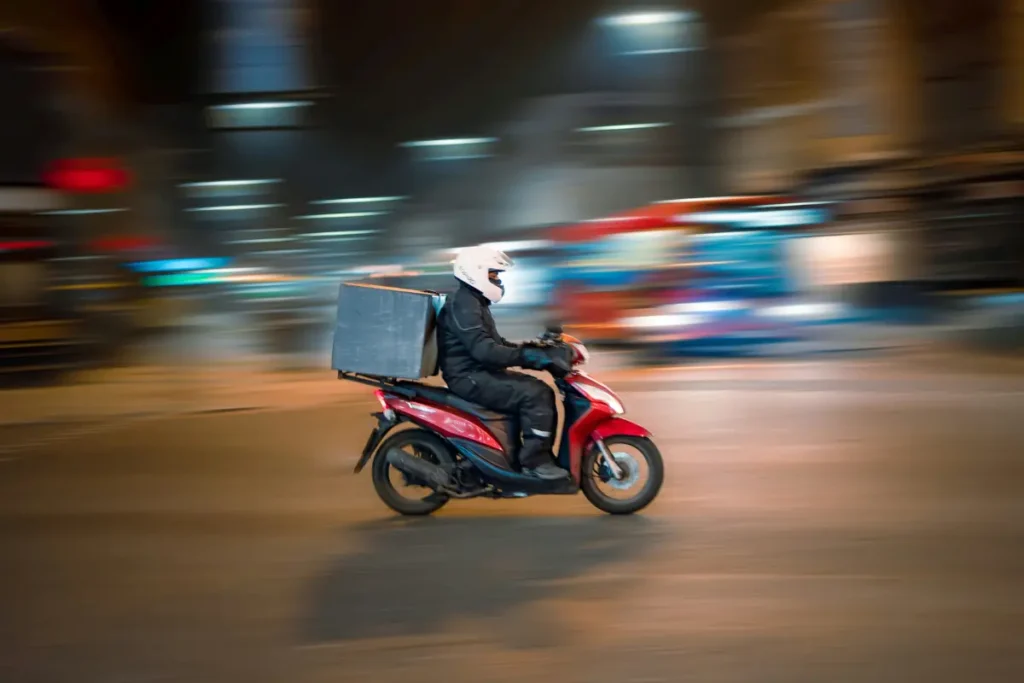
Dubai activated hard fast lanes regulations for delivery men on November 1, 2025. The relocation addresses the extreme danger that the motorcyclists face during rush hour.
Lane Restrictions:
- 5 or more lane roads: no delivery bikes on the two rightmost lanes.
- 3-4 lane roads: Ban on the leftmost lane for motorcycles.
- 2 lane roads: Riders are free to use either side.
- There is directional signage that has been laid all over the city.
- Target on decrease in fatal motorcycle accidents.
The statistics indicate an evident increase in risky accidents among motorcyclists due to their lack of protective gear and susceptibility to loss-of-control risks in the fast lanes. And what the UAE New Traffic Rules 2025 are intended to do is save a ton of lives annually.
- The Dedicated Lane System of Sharjah
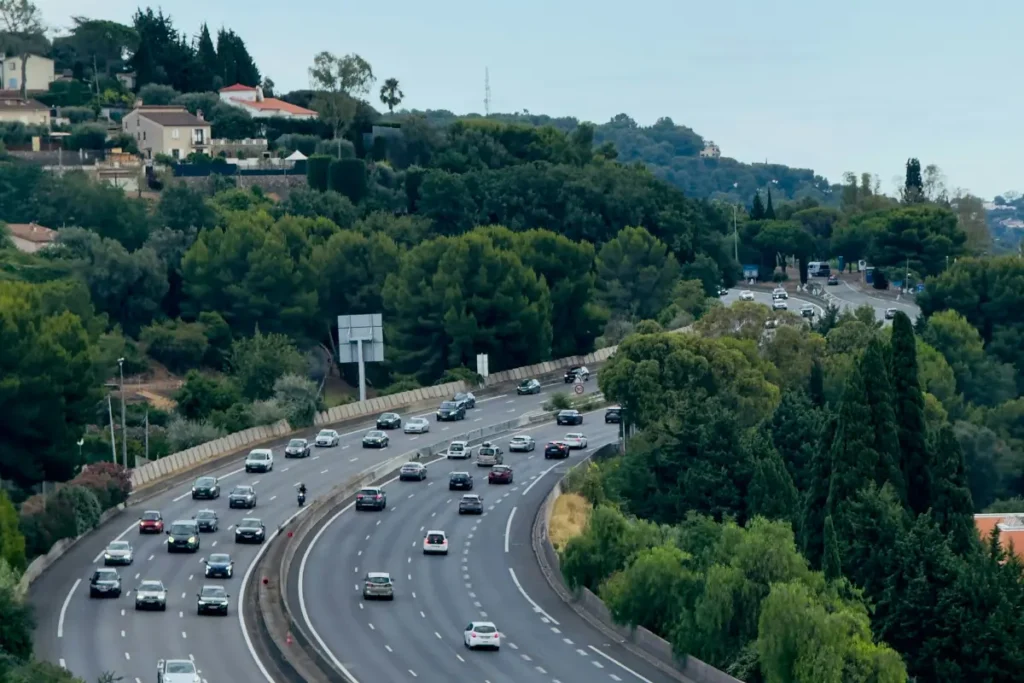
On November 1, 2025, Sharjah also implemented dedicated lanes, as was done in the rest of the emirates, in order to maintain traffic maintained in the same way.
Lane Designations:
- Far right lane: This is the lane which is utilised by heavy transport and buses.
- Motorbike prohibitions: Access to far-left fast lanes is forbidden.
- Four-lane roads: Motorcycles restricted to two outermost lanes.
- Three lane roads: Bikes in the middle/right lane only.
- Two-lane roads: Motorcycles-right-lane-restriction.
There is an all-time radar and camera network that monitors compliance, and the authorities are able to apply the latest technology to make sure that the rules are applied automatically.
- In Ajman Vehicles, the Smart Speed Limiters
The use of smart speed limiters in taxis and limousines is an innovative move that Ajman made, and it demonstrates the state of the art in the UAE New Traffic Rules 2025. The system auto-throttles the speed of the car to achieve the current road speed.
Technology Benefits:
- Speed has automatic adjustment according to the road rules.
- Limit application and GPS-based location tracking.
- Eradication of manual speed control.
- Fewer driving errors and irresponsibility.
- Improved security of passengers in commercial vehicles.
In the event of success, other types of vehicles and emirates may be imitators.
- Bans on Trucks in Abu Dhabi Major Routes
The UAE New Traffic Rules 2025 commenced on December 1, 2025, when tight truck restrictions were initiated on the major routes in Abu Dhabi. The UAE New Traffic Rules 2025 are meant to safeguard the integrity of the roads and general transportation flow.
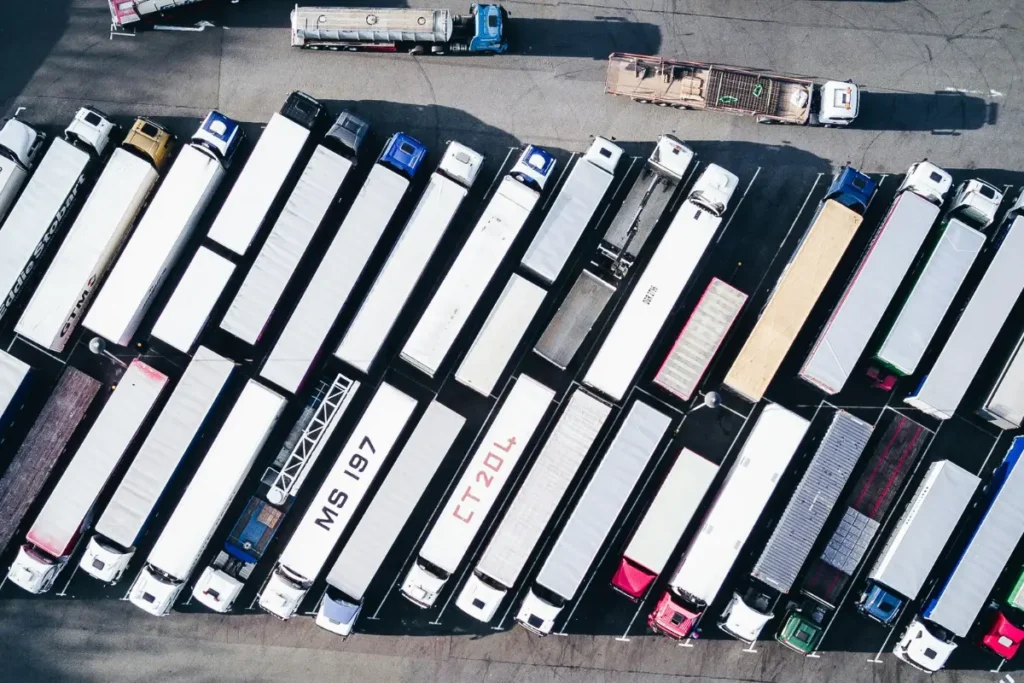
Permanent Bans:
- The Sheikh Maktoum bin Rashid Road (E11).
- Al Raha Beach Road (E10)
- Diversion to Al Faya-Saih Shuaib Road (E75) and Al-Hafar.
Peak‑Hour Restrictions:
- Al Rawdah road (E30) at Musaffah industrial zone.
- Prohibitions of morning and evening rush hours.
- Bridges Complex and Sheikh Khalifa bin Zayed international road crossroad.
- Rerouting Traffic Over ICAD Bridge.
Such UAE New Traffic Rules 2025 safeguard the life of roads, eliminate the major crashes as a result of heavy vehicles, and make the busiest roads run more smoothly during the rush hours.
- New Solid Lane Markings Throughout Dubai
In November 2025, Dubai implemented stubborn no-passing solid lines on some roads with overhead cameras to enforce the UAE new traffic rules 2025.
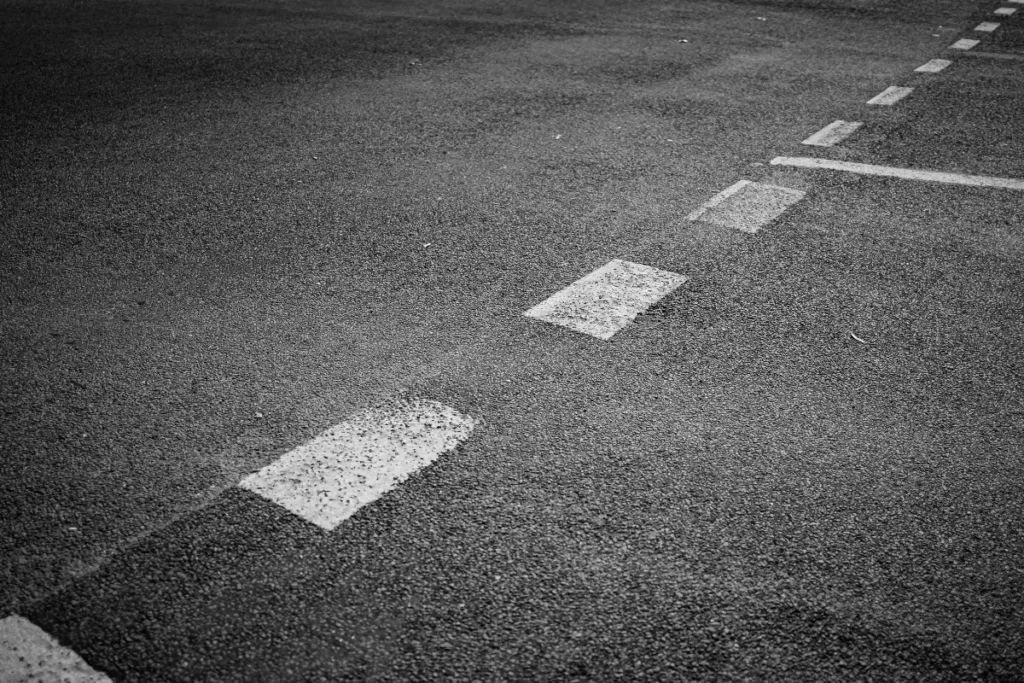
Affected Locations:
- Ittihad Road
- Baghdad Street
- Airport Tunnel
- E311 highway
- E611 highway
Violation Penalties:
- Dh 400 fine in case of crossing solid lines.
- Also applies to overtaking, switching lanes and turning.
- Cameras that are automated to enforce.
- Implementation was not announced beforehand.
Actors were hit with fines after going through these tough lines, and so it is a huge lesson to remain on track, literally.
- Taxi Cab Fare Reorganisation in Dubai
Under the UAE New Traffic Rules 2025, the Roads and Transport Authority increased the taxi fares for rides obtained via the application. The new rates introduce difficulty in peak-hour pricing as well as an increase in base fare, which makes it a little more interesting to both drivers and riders.
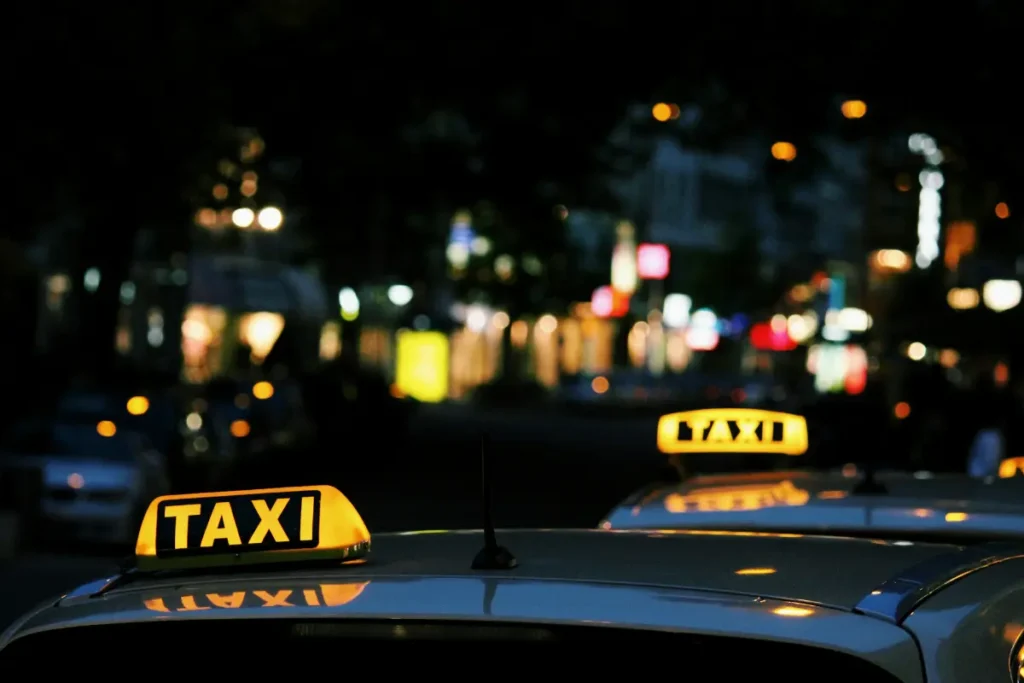
New Fare Structure:
- Minimum Fare: Increased to Dh13 up to Dh12.
- Peak Hours Monday – Thursday (8 am -9:59 am, 4 pm-7:59 pm):
- Dh5 flagfall and Dh7.5 peak surcharge.
- Monday‑Thursday Off‑Peak:
- Dh5 flagfall and Dh4 upcharge.
- Monday‑Thursday Night (10 pm‑11:59 pm):
- Dh5.5 flagfall and Dh4.5 surcharge.
- Friday Peak Hours (8 am‑9:59 am, 4 pm‑9:59 pm):
- Dh5 flagfall and Dh7.5 peak surcharge.
- 10 pm‑11:59 pm: Dh5.5 flagfall
- Weekend Peak Hours (4 pm‑9:59 pm, 10 pm‑11:59 pm):
- First slot: Dh5 flagfall and Dh7.5 premium.
- Second position: Dh5.5 flagfall and Dh7.5 upcharge.
- Weekend Off‑Peak:
- Dh5 flagfall and Dh4 surcharge.
- Night Hours (midnight‑5:59 am):
- Dh5.5 flagfall and Dh4.5 surcharge.
These variable rates under the UAE New Traffic Rules 2025 basically push for spread‑out rides during the day while still making some extra cash during the busy times.
- Parkin Police Systems Integration
In October 2025, the UAE New Traffic Rules 2025 let us see real‑time vehicle tracking thanks to a partnership between Dubai Police and Parkin PJSC. In effect, it connects traffic management and smart parking to allow them to implement things in real time.
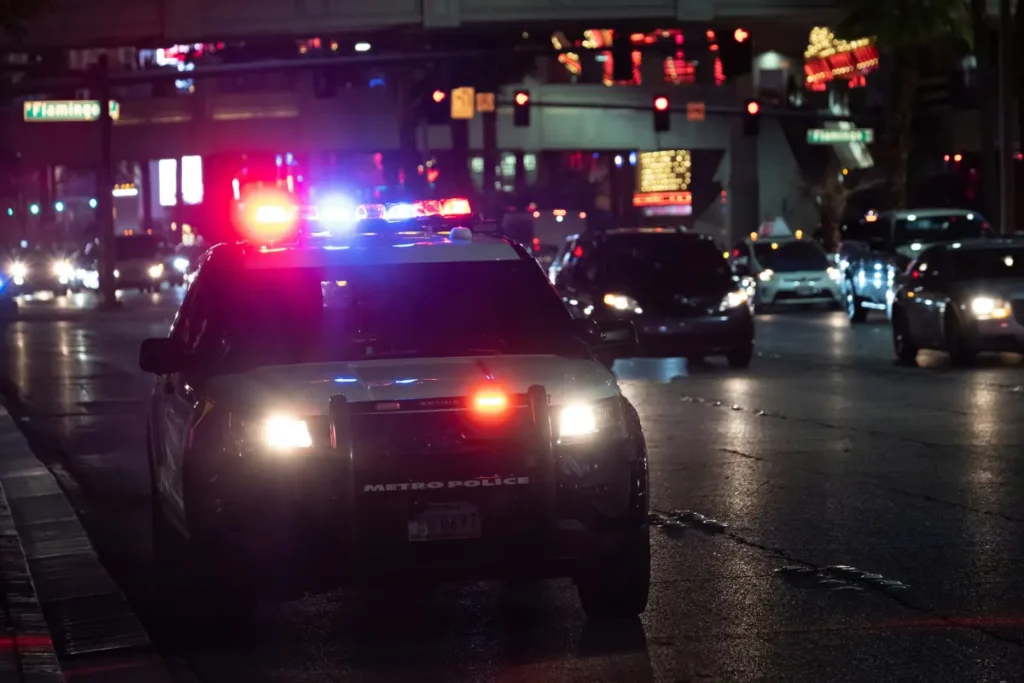
System Capabilities:
- Blink cars which have not paid off in a snap.
- Seizing of flags as you pull up in the Parking.
- Get legal action on board fast.
- Find vehicles associated with criminal and traffic.
- Advance the safety of Dubai roads in general.
This technology-intensive strategy is a demonstration of where the UAE New Traffic Rules 2025 are going: a combination of data sources in a comprehensive watchdog.
- Parking Rules in Mosques 24 hours
With the 24-hour paid parking in the mosques of Dubai with prayer-time shifts (since August 2025), it is a win-win situation between the convenience of those worshipping and the car parking system.
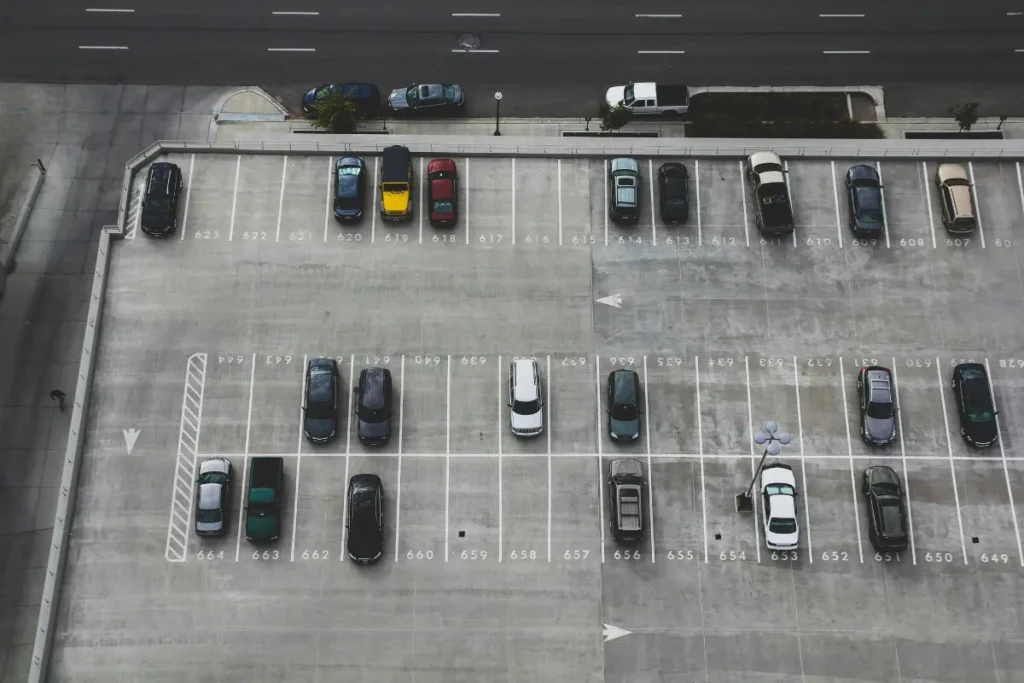
Parking Zones:
- Zone M (Standard) – 41 spots:
- Dh2 per 30 mins
- Dh4 per hour
- Zone MP (Premium) – 18 spots:
- Off-peak Dh2 half an hour, Dh4/h.
- Peak: D 3 /h, D 6/h.
Free Parking:
- One hour of freedom during all prayer times, every day of the week, and it does it automatically by smart payment.
The UAE New Traffic Rules 2025 continue to make access to the mosques chilly as they balance those hectic prayer masses.
Infrastructure Projects Supporting the UAE’s New Traffic Rules 2025
In addition to UAE New Traffic Rules 2025, the UAE is increasing a ton of new infrastructure projects to defuse congestion and support the changes in traffic.
Federal Highway Expansion:
- The fourth national highway is 120km long and 12 lanes full of traffic.
- Will expand three federal highways to create a smoother movement flow.
Dubai Parking Infrastructure:
- Two years of five new multi-story parks.
- Spots: Al Souq Al Kabeer (Bur Dubai), Al Sabhka, Al Rigga, Downtown Dubai, Deira.
- Attacking the busiest business areas.
Battery‑Swapping Stations:
- New positions in Dubai where electric bikes can be found.
- Has an objective to provide e-bike riders with a range anxiety-free boost.
Increased school bus safety:
- Children below 15 years need a chauffeur in Abu Dhabi to take a bus or a car.
- Reduces the next-day journeys by young drivers.
All these UAE New Traffic Rules 2025 and infrastructure plans show the UAE is serious about modernising transport. We, as students and residents, now have to keep our heads on the rules, make some modifications to our driving behaviours and contribute to creating a safer and smarter road network in 2026 and beyond. The combination of technology, rigidity, and new constructions actually places the UAE on the map of smart traffic management on the planet.
Read More: UAE New Rules for 2026: From Sugar Tax to Flying Taxis- Here’s What Residents Can Expect