

August 9, 2025 | Dubai, UAE: A new tariff proposal out of Washington could soon be felt all the way in the UAE’s electronics stores. Former U.S. President Donald Trump is advocating for a 100% tariff on chips and semiconductors not manufactured in the United States. On paper, it’s a push to bring chip production home. But in practice, the ripple effect may land in places far from U.S. borders—like Dubai malls, Abu Dhabi warehouses, and even your local phone shop.
Semiconductors aren’t just high-tech jargon, they’re the small but critical parts inside everything from your smartphone and laptop to fridges and new electric cars.

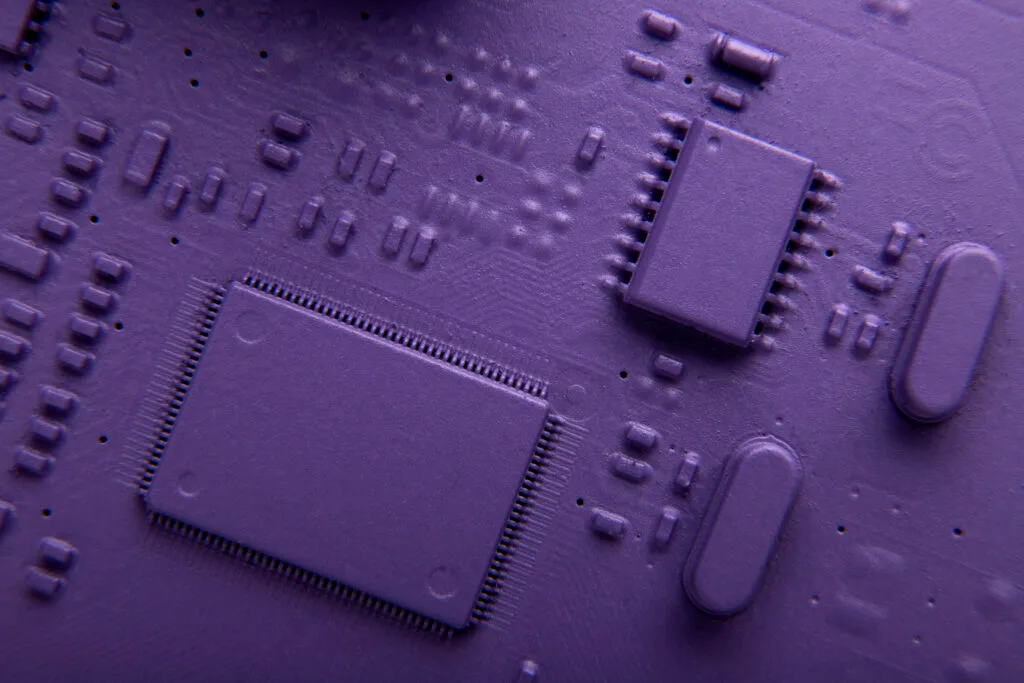
Trump’s message was blunt: if it’s made overseas, it’ll cost double to enter the U.S. But global supply chains don’t operate in silos. Many tech products are assembled across borders, and the chips inside them come mostly from Asia, specifically China, Taiwan, and South Korea. If those products suddenly become more expensive to ship into the U.S., suppliers might shift their inventory, raise prices, or even hold back exports to other regions to focus on more profitable markets. Which brings us to the UAE.
Why Should UAE Shoppers Care?
The UAE is one of the region’s biggest electronics trade hubs. Goods don’t just arrive for local buyers; they pass through here to get to Africa, parts of Asia, and even Europe. Dubai, in particular, has long been a gateway for re-exporting phones, tablets, and laptops.

Here’s the catch: if global chipmakers have to navigate tighter margins or higher costs, someone eventually foots the bill. That “someone” could be a shopper in Sharjah looking to replace their iPad. Or a small tech store in Deira struggling to keep prices competitive.

“We’ve already been warned by two suppliers that fall shipments might be delayed,” says one local electronics trader. “They didn’t say why—but it’s not hard to guess.”
Pricey Goods, Fewer Options
Once chips get expensive or scarce, device makers tend to adjust in predictable ways:
Related Stories

- Cheaper models get fewer updates
- Flagship phones launch late or in smaller batches
- Entry-level laptops and tablets may vanish from store shelves
For families shopping for school tech or small businesses buying in bulk, this could mean stretching budgets or settling for outdated hardware.
And with many UAE consumers used to shopping during seasonal promotions, sudden price hikes could hit them especially hard.
Big Tech Might Win. You Probably Won’t.
Tech giants like Intel and parts of Samsung, with U.S.-based factories, may actually benefit from this move. They’re likely to dodge the tariffs. However, brands that rely on outsourced chip production (which is the case for most of them) may have to absorb the cost or pass it on. The end result? A more fragmented market, and more confused shoppers.

Economists warn that big tariffs like this often backfire. “They aim to protect one group but end up hurting several others,” says one Dubai-based supply chain consultant. “Prices go up. Supply tightens. No one’s happy.”
Trump’s goal is to ramp up U.S. chip manufacturing, but that’s easier said than done. Building chip factories takes years, sometimes longer. And while new U.S. plants are in the works, they won’t be producing at scale any time soon.
In the meantime, markets like the UAE, heavily reliant on fast-moving, affordable technology, could be stuck watching prices rise with little control over what comes next.
What Happens Now?
No one knows for sure. The proposal hasn’t become law yet. But even the idea of a 100% tariff on chips and semiconductors is enough to spook importers and shuffle supply plans.
Retailers may pre-order more stock now, hoping to dodge later price hikes. Others might hold back and wait to see how the politics play out. However, either way, one thing is becoming increasingly clear: the cost of staying connected digitally and globally may be rising.
Also Read: OpenAI Unveils GPT‑5, Enhancing ChatGPT to “PhD‑Level” Expertise