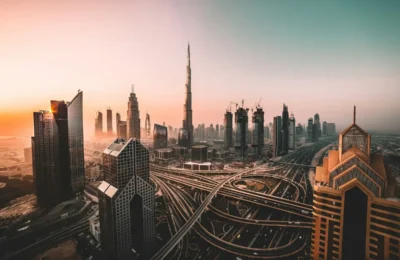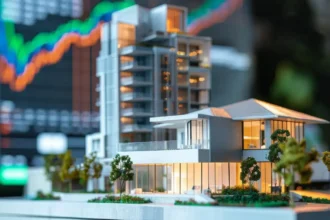

November 30, 2025 | Dubai, UAE: Dubai Rent Hikes have triggered a remarkable transformation in the emirate’s real estate landscape. Now 55 per cent of tenants have plans to buy properties in one to three years, up by 25 per cent last year. This change is an indication of the fundamental transformation in the perception of homeownership of the residents of Dubai, driven largely by Dubai Rent Hikes affecting long-term decisions.
Rising Affordability Amid Dubai Rent Hikes
The effect of the rent increase is not limited to the monthly payment. In Betterhomes Future Living Report 2025, it is demonstrated that the accessibility to mortgages is now a game-changer. The major findings indicate that 61 per cent of potential buyers intend to employ mortgages, the average purchase value is Dh4.5 million, the monthly mortgage is at an average of less than the cost of rent, and the average mortgage interest is at 4 per cent as compared to the rental yield at an average of more than 6 per cent. These shifts are strongly influenced by Dubai Rent Hikes, pushing renters toward ownership.

Such economic benefit can be used to understand why rent increases are driving tenants to purchase as a long-term move and not as an emotional one, a trend repeatedly linked to Dubai Rent Hikes.
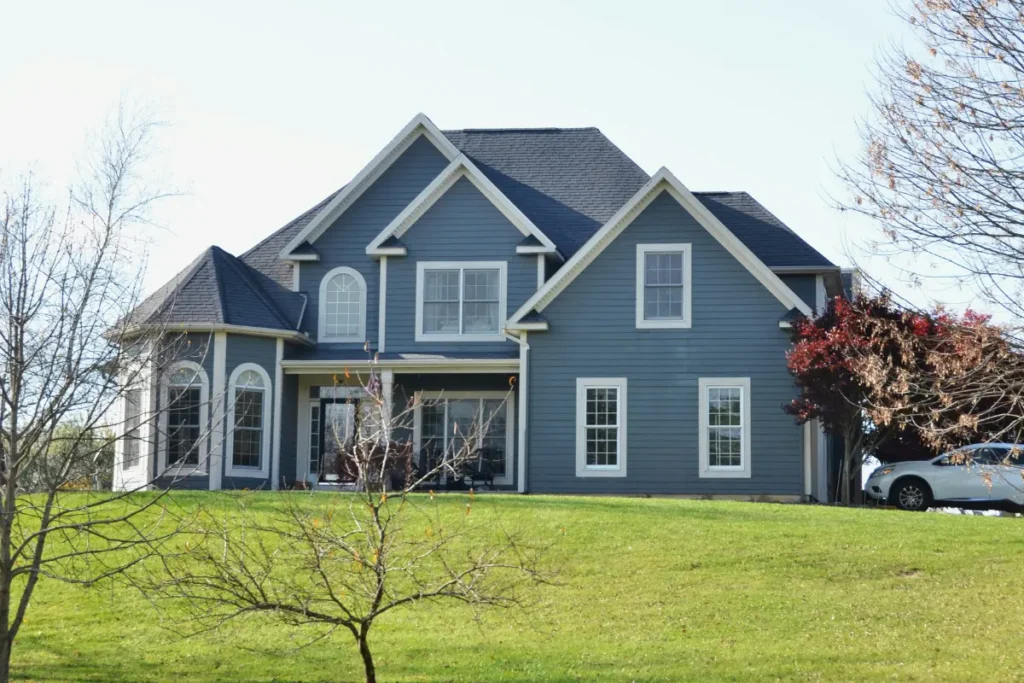
The rent increase has been accompanied by the highest amount of mortgage activity. Cavendish Maxwell records impressive growth: In Q1 2025, 9300 deals hit Dh20.4billion – 24 per cent growth in deals and 47 per cent growth in value. October 2025 saw 3,999 deals increase to Dh15.98billion with a deal average of Dh4.17million. This surge mirrors the pressure created by Dubai Rent Hikes, directing residents toward more financially secure options.
Middle-income consumers are also still quite active, which highlights the fact that the increase in rent is a chance to buy affordable houses in the mid-income sector. For many, Dubai Rent Hikes have become the final motivation to shift from renting to buying.
The secondary market displays the actual effect of rent increases in addition to mortgages. Engel and Volkers note that the volume of sales in the secondary market increased by 22 per cent in the first eight months of 2025, relative to the same period in 2024. The same pattern implies that the residents are making long-term dwellings as opposed to remaining in the rental cycle, a decision influenced by Dubai Rent Hikes and improving mortgage accessibility.
The reasons why Tenants prefer Ownership
Increased rent will lead to long-term decisions. Almost 30 per cent of mortgage borrowers last year were eviction-driven by the rental notices. Other motivations are engagement in long-term plans to remain in the UAE (mentioned by 65 per cent of purchasers), equity creation rather than payment of increasing rental, preferential treatment programs for first-time purchasers, consistent funding and quicker approvals by banks and government-sponsored programs to reduce the entry requirements. For many families, Dubai Rent Hikes catalyse these ownership shifts.
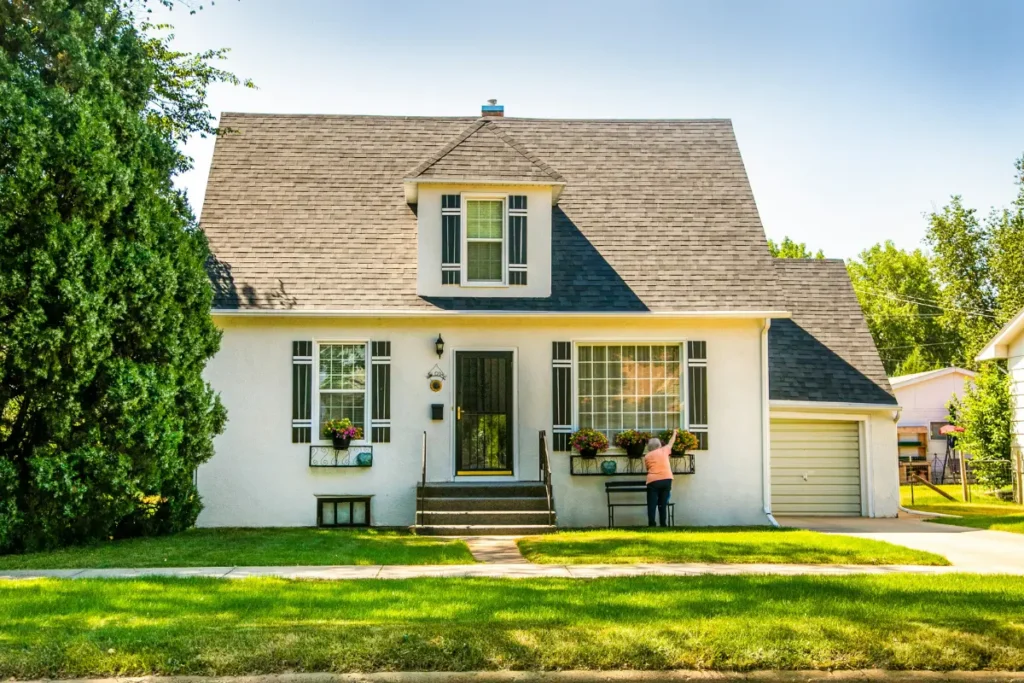
The 2024 Mortgage Finder Report reiterates that ownership has become a financially acceptable alternative to the families that need to find security other than what the rent increase offers, especially with Dubai Rent Hikes widening the gap between rent and mortgage affordability.
Dealing with Supply and Demand Balance
Although the trend of ownership has been driven by the rise in rents, the market in Dubai is realigning. New supply is coming into play in a systematic manner. First-half 2025 data indicates: The residential market of Dubai has increased its sales by 22.7 per cent year-on-year; the sales of residential units in the secondary market have improved by 26.8 per cent; in 2024, the city will deliver almost 72,000 new residential units; and a total of 9,000 new residential units will also be released in the first half of 2025. Experts believe this new supply may gradually offset pressures created by Dubai Rent Hikes.
According to LCRE Insight, this influx of supply will mitigate the forces that rent increases will bring in the near future, helping balance the effects of Dubai Rent Hikes across the market. According to experts, tenancy conversion to ownership due to a rise in rent is not cyclical, but structural.
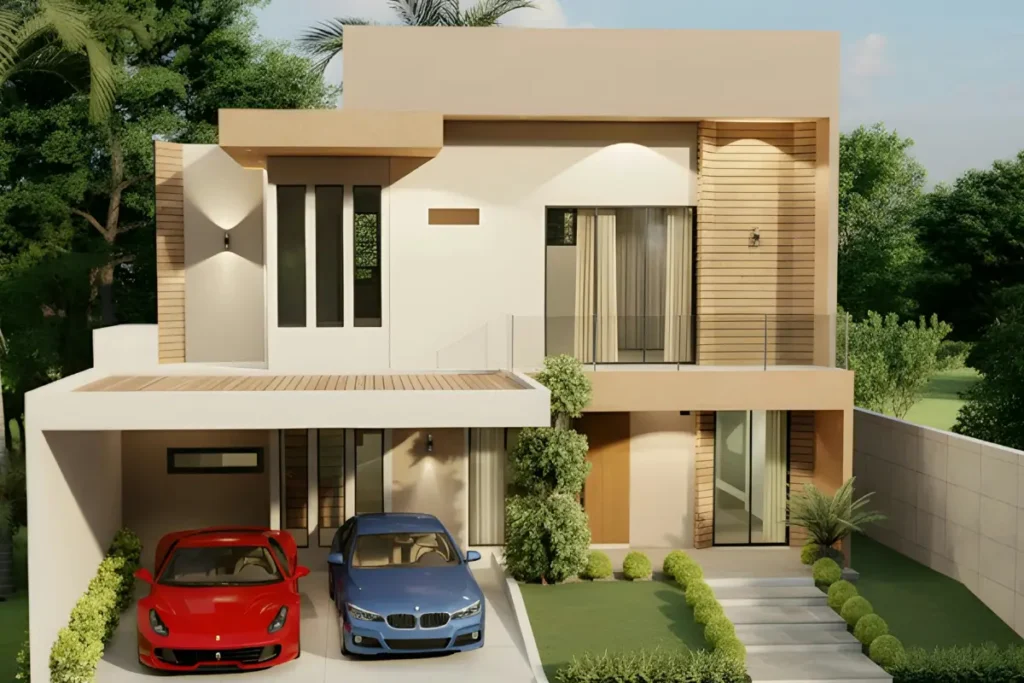
Betterhomes and consultants emphasize the idea that developers, lenders and policymakers need to be flexible: developers are supposed to target mid-market and family homes within existing communities; lending institutions should offer flexible mortgage products to first time buyers; the First-Time Home Buyer Programme by the government should set aside 10-percent of the units sold below Dh5million, and the implementation of Smart Rental Index provides transparent pricing mechanisms. These adjustments are necessary as Dubai Rent Hikes reshape long-term demand.
With the rent increase levelling off by 2025–2026 due to the rise in supply, the market is becoming more consistent with long-term, settled homeowners. The property prices are set to stabilise in 2026, when about 163,000 new housing units will be added to the market within two years. These stabilisation trends signal a future where the impacts of Dubai Rent Hikes gradually soften.
The change indicates that although the increase in rent at the start brought about affordability issues, the increase has led to a change in the structure of the real estate business in Dubai towards resident ownership, financial stability and sustainability. In the equation of tenants who weigh the options today, the choice to buy becomes more economical than to face the constantly rising rent, a scenario largely shaped by Dubai Rent Hikes influencing household decisions.
Read More: Starlink’s Non-Stop Free WIFI in Dubai Flights Making Air Travel More Powerful Than Ever