
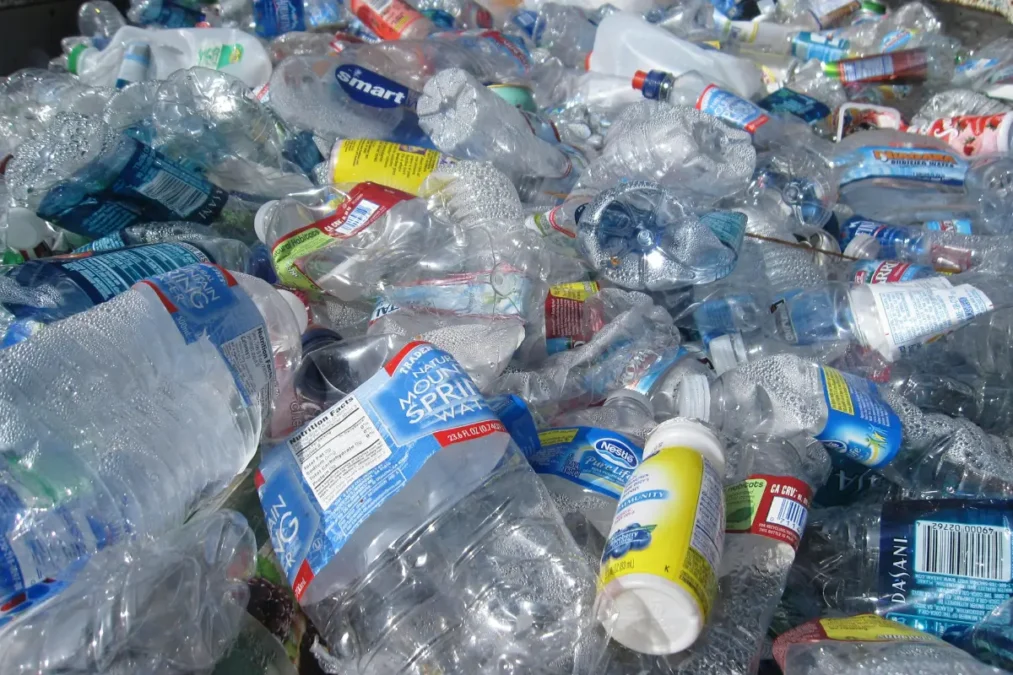
December 21, 2025 | Dubai, UAE: Another milestone towards the long-term sustainability and waste minimization vision of the emirate is already planning a major extension of its plastic ban in Dubai 2026. This step follows on previous environmental legislation and is an indication of a more significant move towards reducing plastic waste and preserving the natural environment in the future generation.
Starting January 1, 2026, Dubai (as a part of the larger rollout over the United Arab Emirates) will introduce a second step of their plastic ban, but with a significantly expanded scope of singly-use plastic items subject to the ban. The new regulations ban the importation, production, and sale of many types of daily consumable consumer plastics that have been longstanding foods and retailing industries stable.
Related Stories

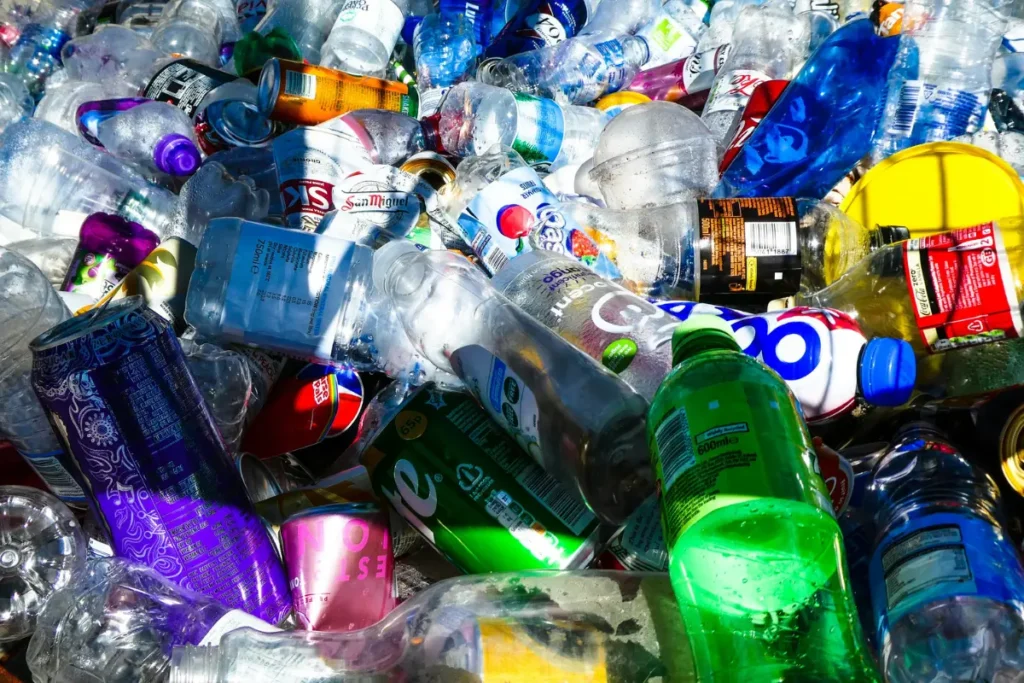
The list of prohibited items has been extended, and it comprises:
- Plastic lids and cups of single use.
- Kitchenware Plastic knives, forks, spoons and chopsticks.
- Straws and stirrers
- Food containers (Styrofoam, plates) and food.
- Bags that are less than 50 microns, irrespective of the bag contents (even paper bags of the same thickness).
The following step would extend beyond previous limits of the plastic ban in Dubai like the prohibition of plastic shopping bags that single-use began in 2024, and would significantly lower the levels of plastic pollution of typical consumer goods.
The Plastic Ban In Dubai Aims For Sustainability
The officials of the Ministry of Climate Change and Environment (MOCCAE) have stressed that the regulation of the use of disposable plastics is one of the aspects of the overall sustainability approach. The authorities expect to reduce waste at the initial stage by inspiring residents, businesses, and suppliers to use alternatives that are reusable and environmentally friendly to support the objectives of a circular economy in the UAE.
According to a spokesperson of the ministry, the preservation of both marine and terrestrial environments is a common aim with the plastic ban in Dubai and the minimization of single-use plastics will contribute to the protection of the ecosystem and will decrease damaging pollution.
Exemptions and Transition
Although the new rules are very broad, there are also certain exemptions in favor of important services and local industry:
- Goods that are produced purely to be exported, as long as they are well marked.
- Products constructed by way of recycled materials manufactured in the UAE.
- Medicine bags, garbage bags and some very thin fresh-food wraps.
- Huge shopping bags that are used to store such things as clothing, electronics and toys.
These carve-outs are meant to strike a balance between environmental objectives and the real business requirements in the process of transition.
The Implication On The Residents And Businesses
To consumers and the community residents, the plastic ban in Dubai would imply changes in their behavior: reusable containers, sustainable packaging, and other materials are becoming the new reality. Companies in the various fields such as cafes through supermarkets will have to redesign their supply networks, substitute disposable plastics with compatible ones and sensitize the customers about the developments.
Those who do not comply are punished to make sure that the rules are not ignored, fines and repeat-offender penalties bring out the provisions of the established environmental laws.
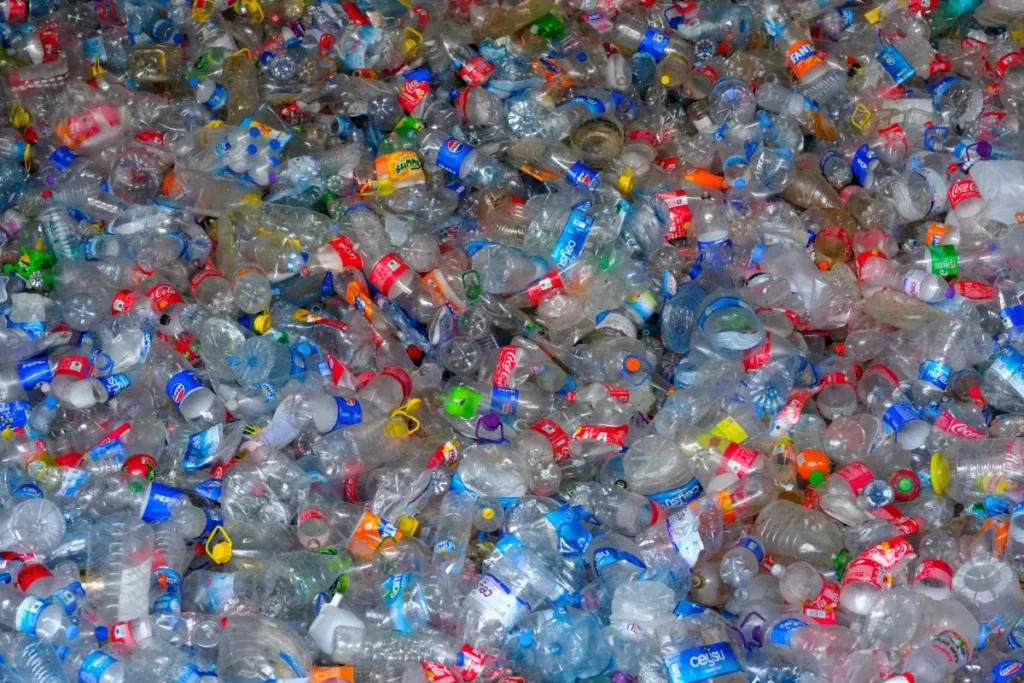
The plastic ban in Dubai is part of an overall UAE sustainability pledge, with federal and emirate-level policies supporting it to reduce waste, protect the ecosystem and promote cleaner economic growth. The UAE is also becoming a pioneer in controlling the environment regulation in the Middle East by phasing out harmful plastics.
The widened plastic ban is not merely a regulatory change as Dubai is heading into 2026; it is also a cultural one, as it aims to encourage the residents, visitors and businesses alike to live more sustainable and responsible lives.
Also Read: UAE Property Market Booms Amid Residency Reforms, Attracting Global Investors to Dubai and Beyond