
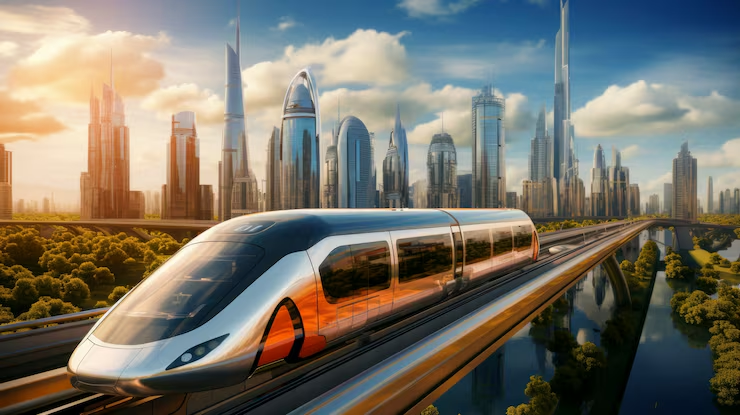
The first maglev rail in Middle East has taken a major step forward after Etihad Rail completed an important trial of the new magnetic levitation system. This test marks a milestone in transport technology for the UAE and possibly the wider region. Officials say the trial opens up opportunities for faster, smoother and more efficient travel in the future.
Etihad Rail is building the UAE’s first national passenger rail network, with full services expected to begin in 2026. The trial of the first maglev rail in Middle East shows a possible future for how goods and passengers might move across the Emirates. Using magnetic levitation means trains can glide above tracks with less friction and energy use, making travel quieter and more efficient.

What the UAE First Maglev Rail in Middle East Trial Showed?
Etihad Rail worked with the Italian technology firm IronLev to test the first maglev rail in Middle East at the Al Faya Depot. In this trial, a maglev platform lifted a container weighing about seven tonnes and moved it along a short rail section. The permanent magnetic system lifted the load without direct contact between wheels and rails.

The maglev test demonstrated several key benefits. It cut energy use by nearly 30 per cent compared with regular rail systems. The decrease in operational costs for trains leads to lower expenses which will result in decreased carbon emissions throughout their operational life. Reduced friction results in decreased track damage which prolongs the lifespan of infrastructure while decreasing the expenses required for maintenance. The system operates with permanent magnets instead of using power-consuming electromagnets.
This makes the first maglev rail in Middle East easier to integrate with existing rail lines and less demanding on energy resources. The experts believe that this development will enable future applications of maglev technology to establish high-speed and heavy-freight systems. The officials declared that this event marks the beginning of their commercial operation while they still need to conduct more testing to achieve complete production readiness. The testing results have created optimism about upcoming railway projects in the United Arab Emirates.
How Maglev Fits Into Etihad Rail’s Broader Plans?
The first maglev rail in Middle East trial comes at a time when Etihad Rail is preparing to launch the UAE’s passenger rail network. This network will connect cities like Abu Dhabi, Dubai, Sharjah and Fujairah by 2026. The train system will provide passengers with an ability to travel throughout the Emirates which will use new trains that can operate at 200 kilometers per hour.
The passenger service of Etihad Rail will achieve three main goals which include decreasing road congestion and shortening travel durations and providing residents and visitors with a better experience during their extended trips. The project will serve 11 cities and regions once fully operational.
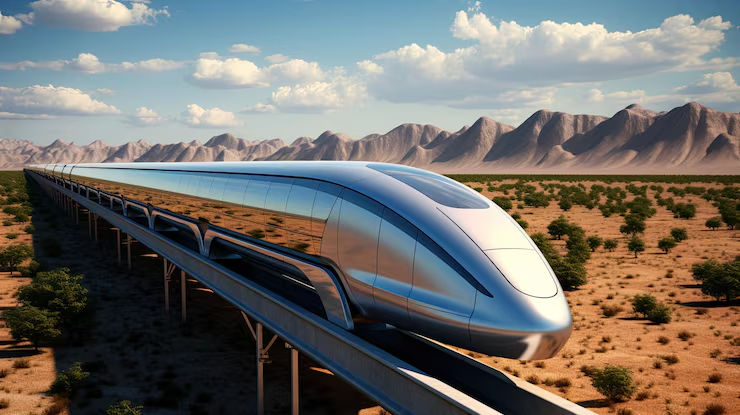
Passengers will have access to a well-connected rail network that includes new stations in major hubs. The train system will offer passengers first-class and business and economy seating options to enhance their travel experience throughout the United Arab Emirates.
The rail system operates as a component of the national strategy which aims to achieve sustainable development and Net Zero objectives. The efficient operation of the rail network will enable the Emirates to decrease its dependence on road transportation while achieving emission reductions and fostering economic development. The first maglev rail in Middle East trial demonstrates the organization commitment to developing sustainable methods of transportation through innovative research and development work.
Why This Matters for UAE Transport?
Maglev technology enables trains to achieve greater speed while producing reduced noise and decreased friction. The implementation of maglev technology occurs in only a few locations worldwide because the system demands sophisticated technical knowledge and dedicated specialized systems. The fact that the UAE has tested the first maglev rail in Middle East shows the nation’s desire to be a leader in transport innovation.
This trial does more than test new technology. It also positions the UAE as a site for advanced transport research and applications. The country is already building the first national rail network, and exploring maglev adds a new layer of possibility for future upgrades or specialised use. Improved rail options will enable passengers and businesses to travel between cities at higher speeds while enabling more efficient freight transportation.
The economic growth of the UAE will require transport connections such as Etihad Rail to function as vital links between communities and to enhance tourism activities. Future maglev systems will provide officials with technology that enables them to achieve higher speeds while using less energy.
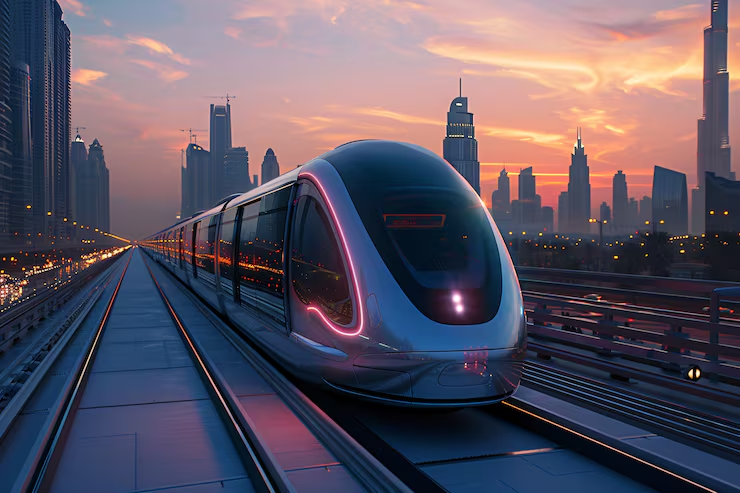
But for now, the first maglev rail in Middle East trial shows that magnetic levitation technology works in the UAE environment. This puts the country on the map for next-generation transport development.
What’s Next for UAE Rail?
The Etihad Rail team will continue their work on the passenger network until they finish their work in 2026. The national rail system will introduce its services through multiple phases which will include additional stations and trains in future updates. The authorities will conduct ongoing testing of new technologies including maglev as part of their implementation of these new systems to enhance service performance and quality.
Rail experts believe that combining a traditional rail network with upcoming maglev technology will transform public transportation systems throughout the Middle East. The UAE leads this project which will eventually enable residents and visitors to the Emirates to travel at higher speeds using environmentally friendly transportation methods.
The first maglev rail test in the Middle East establishes a key milestone for transport systems operating in the United Arab Emirates. The project shows three important values which include innovative designs and sustainable solutions and a vision for future travel. The national rail network development project in the United Arab Emirates demonstrates the upcoming travel methods through its trial which shows faster and cleaner and more effective transportation.
Read More: G Dragon Concert in Dubai Announced, K-Pop Icon to Headline Massive Music Festival