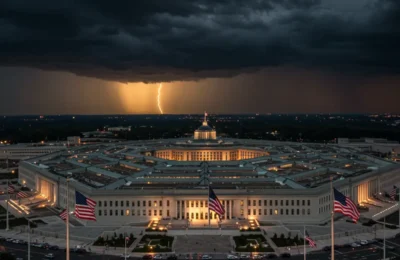
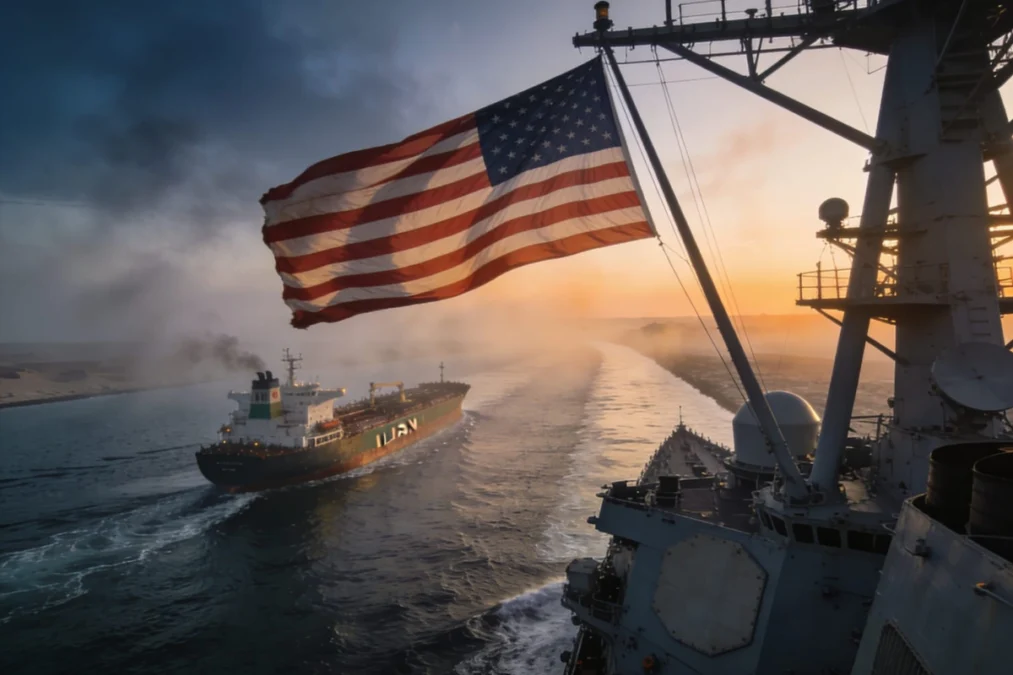
Following the collapse of Islamabad Talks Phase I, the US Navy enforced a naval blockade on Iran on April 13. This naval blockade is targeting all vessels transiting the Iranian ports.
The Strait of Hormuz is the passage on which the UAE and other Gulf countries rely for their own exports. The consequences of this blockade have not been limited to Iran only; this triggered an economic crisis that is sharply impacting the Gulf states just as it is in Tehran.
Related Stories

The Naval Blockade Vs. Iran
Six commercial ships were returned to Iranian ports, over 10,000 US personnel and dozens of warships were deployed in only the first 24 hours. As per Reuters, the blockade could prevent 2 million barrels of Iranian oil from reaching the markets. The blockade not only cut a waterway that carries 25 percent of the world’s seaborne oil and 20 percent of its liquified natural gas but also the route to 90 percent of Iran’s economy.
Escalation at Sea: Seizures, Retaliation Threats
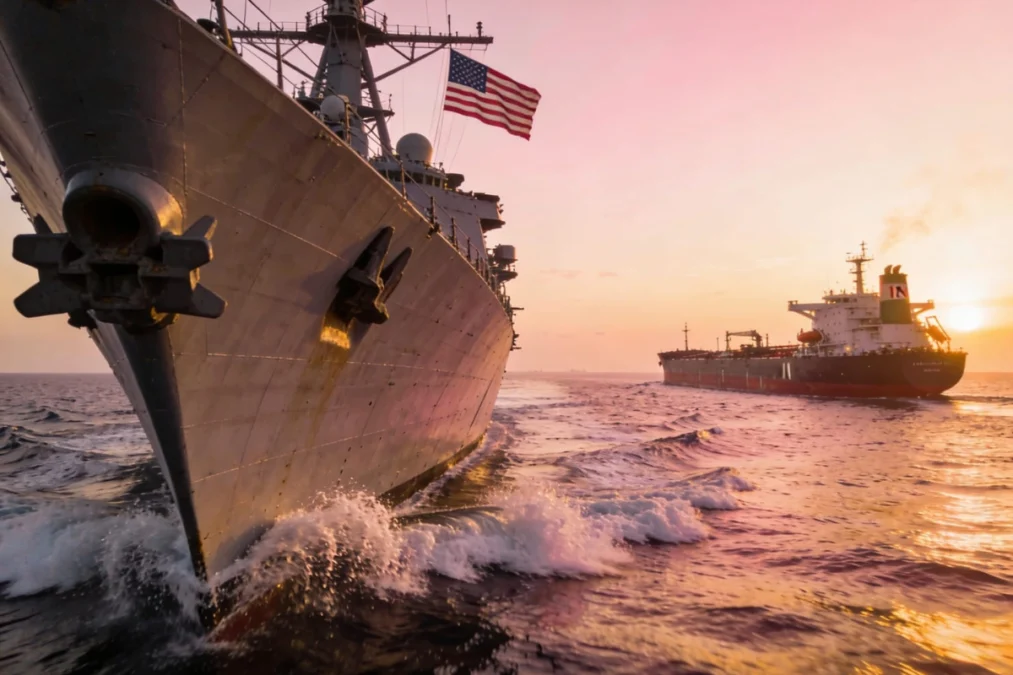
An Iranian-flagged cargo ship was reportedly seized by the US Navy on April 19, for its infraction at the blockade in the Gulf of Oman. Iran’s response was aggressive. The spokesperson of Khatam Al-Anbiya warned that “the armed forces of the Islamic Republic of Iran will soon respond and retaliate against this armed piracy by the US military.”
By April 20, at least 26 Iranian vessels had reportedly managed to cross the blockade line. Data firm Vortexa confirmed two VLCCs, Hero II and Hedy, passed past the blockade. Together, the ships can carry four million barrels of oil. The National noted that this “demonstrates the limit of American efforts”, however, is not enough to reverse the damage. The data also shows Iranian tanker traffic dropped to 3 vessels per day compared to 140 daily before the US-Iran war began on February 28. This limited bypass hardly makes up for the wider financial implications.

On April 21, the US forces detained another Iran-linked oil tanker on the edge of ceasefire expiry, and extension talks were on the verge. The US forces conducted what the Pentagon called “right-of-visit maritime interdiction” of a “stateless” vessel. An “unnamed defense official” told The Associated Press that the ship carrying Iranian oil was captured in the Bay of Bengal. This indicated the widening of US operation zones.
Iran Responds: Hormuz Closure and Vessel Seizures
Iran reversed its decision to reopen the Hormuz, announcing to keep it closed until the US blockade is lifted. On April 22, the IRGC fired on and captured three commercial vessels; MSC Francesca, Euphoria and Epaminondas, at the strait.
Related Stories

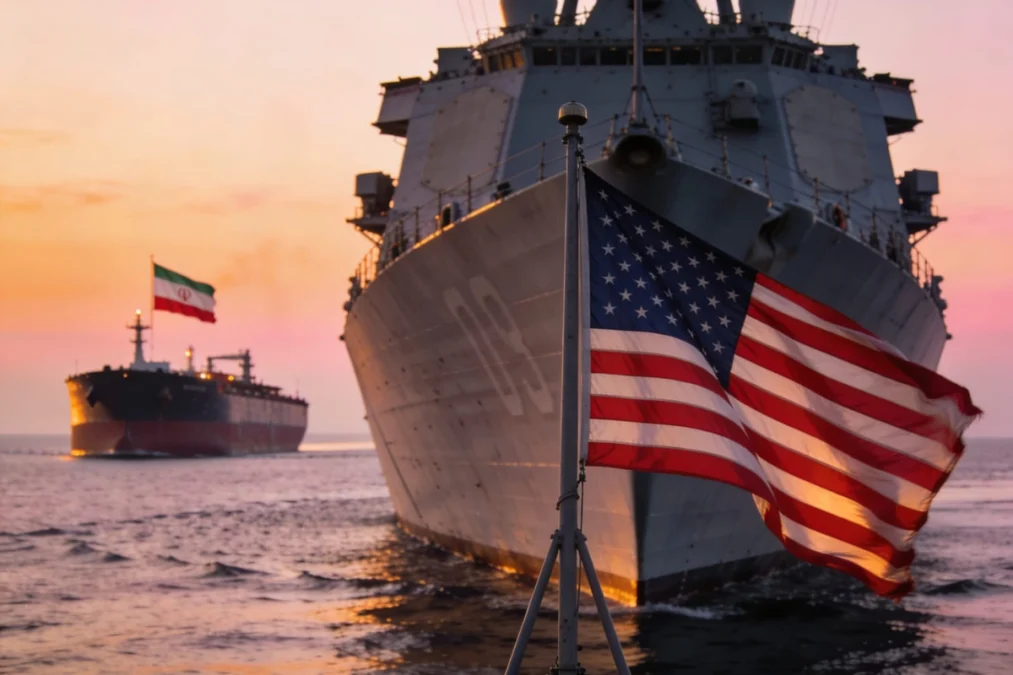
As the storage tanks in Kharg Island near their capacity, engineers warn that the oil wells face “permanent damage” if kept shut beyond April 26. With the closing relief window for Tehran, the US estimates their losses at $500 million daily. Talking to reporters on April 23, White House Press Secretary Karoline Leavitt said that the ceasefire stops military and kinetic strikes only. “Operation Economic Fury continues,” she added, “We are completely strangling their economy with this blockade.”
Agriculture Minister of Iran, Gholamreza Nouri claimed that food security was intact as 85% of the agricultural products are produced domestically. However, the country still relies on other borders for imports amid the blockade.
The Gulf States: Collateral Damage
Gulf capitals were hit by the consequences within days. The Hormuz assists one-third of global seaborne oil and all of Qatar’s LNG exports, yet it was choked twice by US cordon and by Iran’s closure announcement.

By March 10, The oil production from Kuwait, Iraq, Saudi Arabia, and the UAE significantly dropped by 6.5 million barrels per day. The numbers further plummeted around 10 million barrels per day by March 12. Brent crude surged from $61 per barrel in January to $118 by the end of Q1.
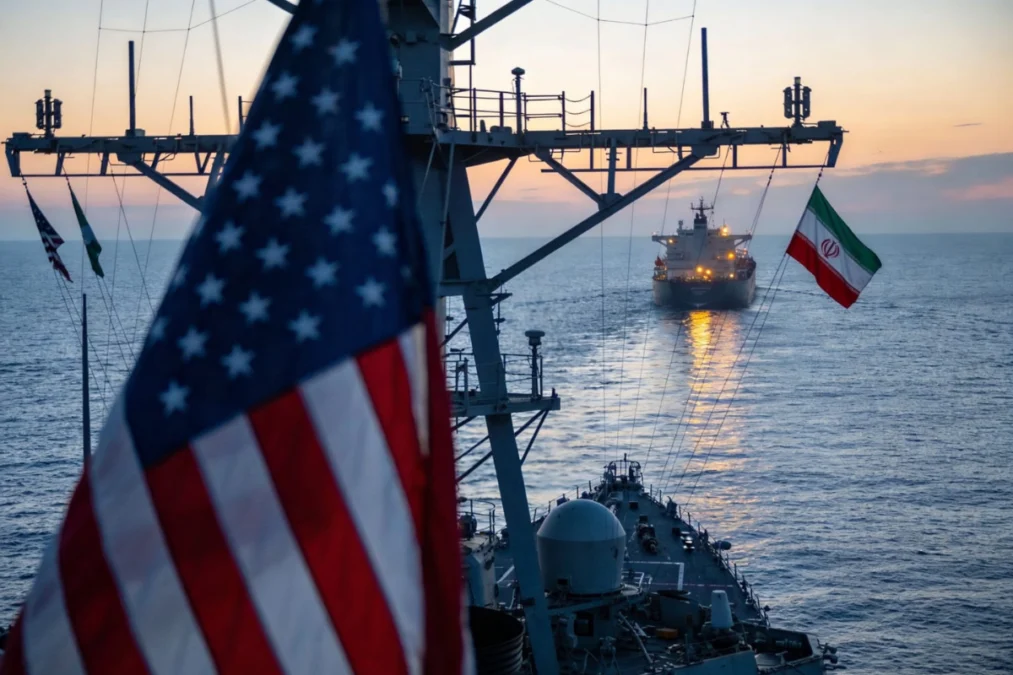
The Gulf Cooperation Council states that those who rely on Hormuz for 80 percent of their food imports saw a 70 percent disruption in the supply by mid-March. The retailers were forced to airlift supplies.
The fallout was immediate for the UAE. Iranian drones and missiles struck the UAE’s infrastructure; a major airport hub in Dubai was struck, and the Burj Al-Arab faced damage from intercepted debris. Luxury retail sales at the Mall of Emirates fell between 30 and 50 percent. Tourism collapsed, open public spaces were closed, and energy inputs were disrupted.
Abu Dhabi’s Murban crude exports, which are shipped via Fujairah, saw premium collapse because buyers priced in war risk. The tanker insurance for UAE ports went up by 400 percent in 72 hours. On April 15, the entire Gulf region was added to the high-risk list by the Joint War Committee.
30 percent of vessel cancellations were reported by Jebel Ali, the region’s largest container hub, after shipping giants rerouted around the Cape of Good Hope. Re-export trade for Dubai’s gold and diamonds froze as it relies on Iranian and Indian cargo; the corresponding banks had cut letters of credit amidst tensions.
Iraq and Kuwait are also unable to move Basra and Al-Ahmadi loadings; the analysts estimate that the UAE faces a $200-$300 million loss in daily trade. “We’re not at war, but we’re paying for it,” a trader in Dubai told Bloomberg.
Holding the Line
The Emirates has not been passive; Sultan Al Jaber made three calls for the “unconditional” opening of Hormuz. On April 19, he wrote an X post highlighting that the load of “every missing barrel” is faced directly by ordinary people. “The global economy cannot afford any more uncertainty,” he said. He emphasized that the strait is not the property of one nation; it belongs to the world and should be returned to its pre-war status.
Saudi Arabia is reported to be considering its 1,200-kilometer East-West pipeline as a long-term structural alternative. The pipeline is projected to deliver oil to the Red Sea port of Yanbu, entirely bypassing Hormuz.
The objective of the blockade is to cut Iran’s revenue, which is being achieved effectively. What it doesn’t do is isolate that pain. The strait is central to global trade; by putting a blockade to squeeze one actor, it ultimately squeezes everyone who is using the same water. America’s closest regional partners are learning that lesson in real-time while the ceasefire clock still ticks.
Also Read: Hafeet Rail is 40% Complete; Here Is What It Means for UAE, Oman, and the Region