Chairperson of Dubai Culture and Arts Authority, Sheikha Latifa bin Mohammed bin Rashid Al Maktoum announced a structured and phased program to empower Dubai’s creative economy. The Creative Sector Resilience Portfolio is a part of a broader Dh1 billion economic support package under directives of Sheikh Hamdan bin Mohammed, Crown Prince of Dubai.
What Is Creative Sector Resilience Portfolio?
This initiative is designed to specifically target cultural and creative industries while expanding market access and long-term growth. It is a structured, five pillar plan designed to address specific gaps in operation, sustainability, and market reach of Dubai’s creative community. The pillars include Cultural Infrastructure, Creative Production, Talent Development, Participation and Audience, and Cultural Impact.
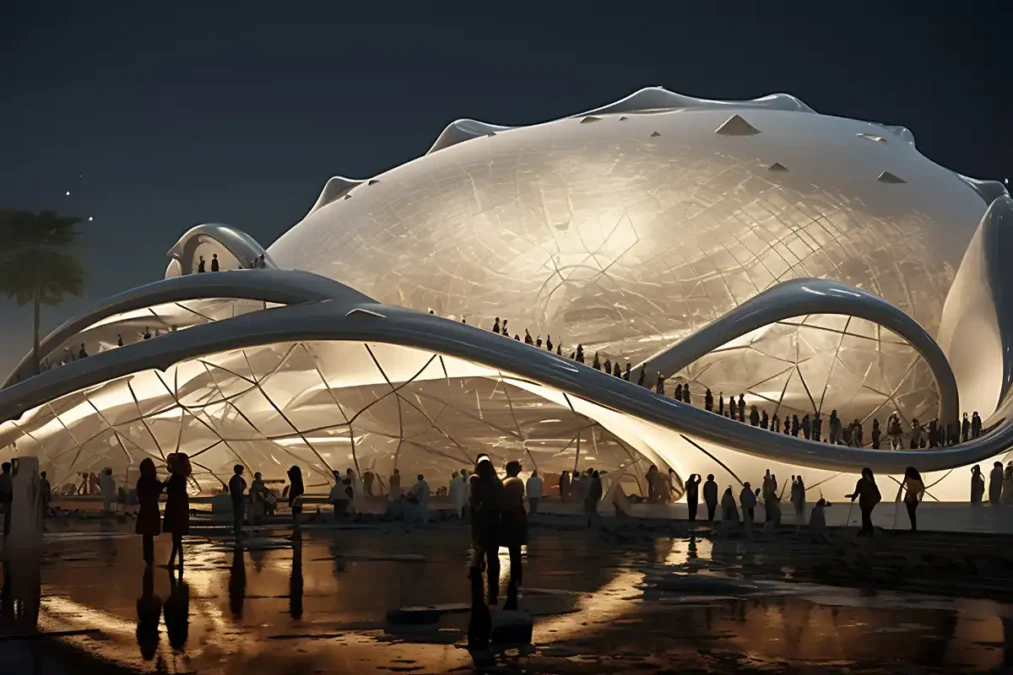
Under cultural infrastructure, multipurpose venues will be made available to creatives free of cost. This will be done in collaboration with Dubai Municipality, Dubai CommerCity, House of Arts at Expo City Dubai, DIFC, Dubai Holding Asset Management, and Dubai South. Affordable workspaces will also be offered through Letswork.
The creative production pillar will introduce several funding streams including Dubai Cultural Grant and a micro-grants programme with Art Jameel. Another micro-commissioning programme will be offered with Luxuriant Design. Moreover, an exhibition grant with Art Dubai will also be available.
Talent development introduces an e-learning initiative with LinkedIn, cultural activation programmes, and workshops. In addition, the participation and audience pillar supports promotion and media, assists retail and exhibition opportunities through Majid Al Futtaim’s Ma’an programme, and expands research tools.
Finally, cultural impact envisions Dubai as an open-air gallery. This strengthens the emirate’s cultural identity through public art with PHI Advertising.
Who Does It Benefit?
Positioning Dubai as a canvas itself, the benefits of the Creative Sector Resilience Portfolio are not limited to one individual or group. It directly benefits three groups.
Independent artists and creatives like painters, musicians, photographers, filmmakers, fashion designers, and performers are eligible for direct support under this portfolio. These individuals, who are currently unable to afford studios or exhibition spaces, will gain access to the multipurpose venues without being burdened by commercial rents.
Moreover, small and medium businesses producing cultural goods or services will gain access to grants, commissioning opportunities, and exhibition platforms which were previously available to only well-connected and well-funded operators. Structural support through media promotion, audience development tools, and public art infrastructure will be provided to cultural institutions like galleries, theatres, and production houses.
It particularly provides support for those whose visa status is dependent on maintaining income from their craft. The expatriate community makes up the majority of Dubai’s working artists and designers. The portfolio addresses the absence of institutional safety nets for independent creatives who are not linked to any corporation or a government entity.
UAE’s Creative Economy
Creative economy is one in which cultural productions like art, design, music, film, fashion, publishing, architecture, and performing arts among others generate a measurable economic value while emphasising the cultural significance. The emirate’s Creative Economy Strategy targets raising the creative sector’s contribution up to 5 percent of Dubai’s GDP by 2026. This aims to grow creative companies to 15,000 while doubling the numbers of creative jobs to 140,000.
The long-term goal is to position Dubai as the global capital of the creative economy that attracts talent, investors, and entrepreneurs through an environment curated specifically for the sector.
“Dubai continues to play a leading role in empowering the cultural sector and advancing the creative industries through innovation,” Sheikha Latifa bin Mohammed said. “It builds capability and sharpens the capacity to anticipate and adapt to challenges, while allowing wider access to markets,” she added.
Read More: Getting Home Is Getting Expensive, UAE Flight Fares Run for the Skies