In a bold move to promote closer cooperation in the region, Gulf Cooperation Council (GCC) leaders held their first-ever physical meeting in Riyadh following the onset of the war between the US, Israel, and Iran. Whereas security issues were largely overshadowing the setting, the key impetus was seen in expediting economic initiatives that had been pending for long
Unified Gulf Railway: Boosting Trade and Connectivity
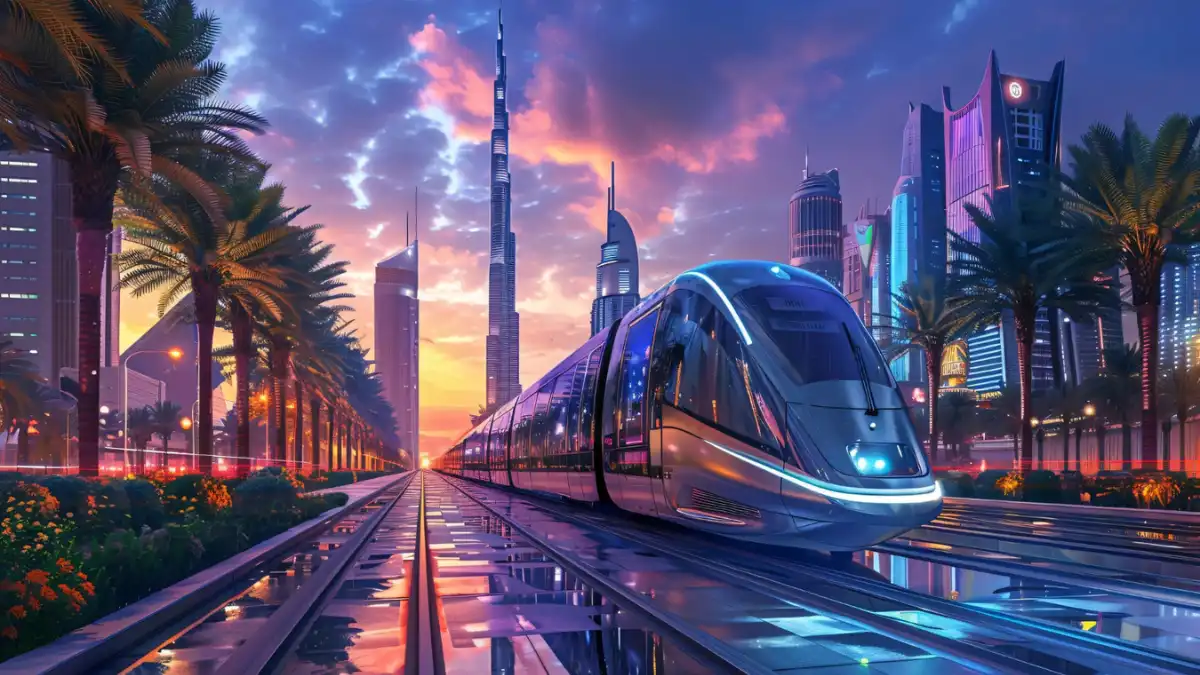
The expansive 2,117 km long railway system that will stretch from Kuwait to Oman through the UAE is set to boost trade and travel capabilities, as the trains can travel up to 200 km/h. This means that Dubai will play an important role in being one of the logistics transit stations to cut down cargo traveling time. Delays in this project have come as a result of difficulty in integrating customs, rules, and regulations in six countries; however, there might be more pressure due to the current geopolitical conditions.
Related Stories

Power Grid Integration: A Proven Model of Cooperation
The GCC interconnection project for electricity, which was completed in 2009 and completely operational by 2014, is among the most successful collaborative projects in the region. It has led to savings of billions of dollars while also responding to numerous emergencies in the region. With regard to Dubai, the project will ensure reliable provision of electricity during high demand or crisis periods, provide an alternative source, and promote sustainability projects due to the efficient distribution of electricity.
Water Interconnection: Securing a Vital Resource
This interconnection plan for the Gulf region hopes to connect the water systems of different nations so that they can share their resources, which is crucial because this is one of the driest parts of the world. With respect to Dubai and the UAE, this connection will serve as a safety measure due to the country’s heavy reliance on desalination, and recent regional conflicts.
Pipeline Integration: Enhancing Energy Efficiency and Security
The attempts to create an integrated pipeline system for oil and gas throughout the GCC have been growing stronger, following years of efforts to harmonize the production and delivery of energy in the region. It will result in more streamlined delivery of energy, lower transportation costs, and a more diverse approach toward exporting energy resources. Dubai will benefit from increased efficiency and enhanced energy security.
Early Missile Warning System: Redefining Regional Defence
The upcoming joint ballistic missile early warning system will rely on state-of-the-art satellite sensing and radar tracking capabilities for timely threat detection, allowing for quicker and more coordinated responses among all the GCC countries. This system is particularly important for Dubai, considering the recent threats involving drones and missiles from Iran, and highlights the new trend of incorporating civilian assets such as energy, water, and transportation systems into the wider security strategy of the region.
Final Takeaway
These combined developments represent an important strategic move towards integration on a much deeper level, as infrastructure becomes not only a means of development but also a way to achieve security. For Dubai, the consequences are substantial, since there will be increased level of connectivity through trade, greater resource security, better energy networks, and enhanced defense capability.
Also read: Dubai Metro Penalties Every Rider Should Know