
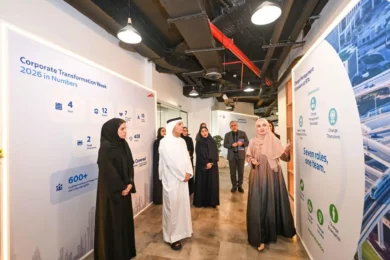
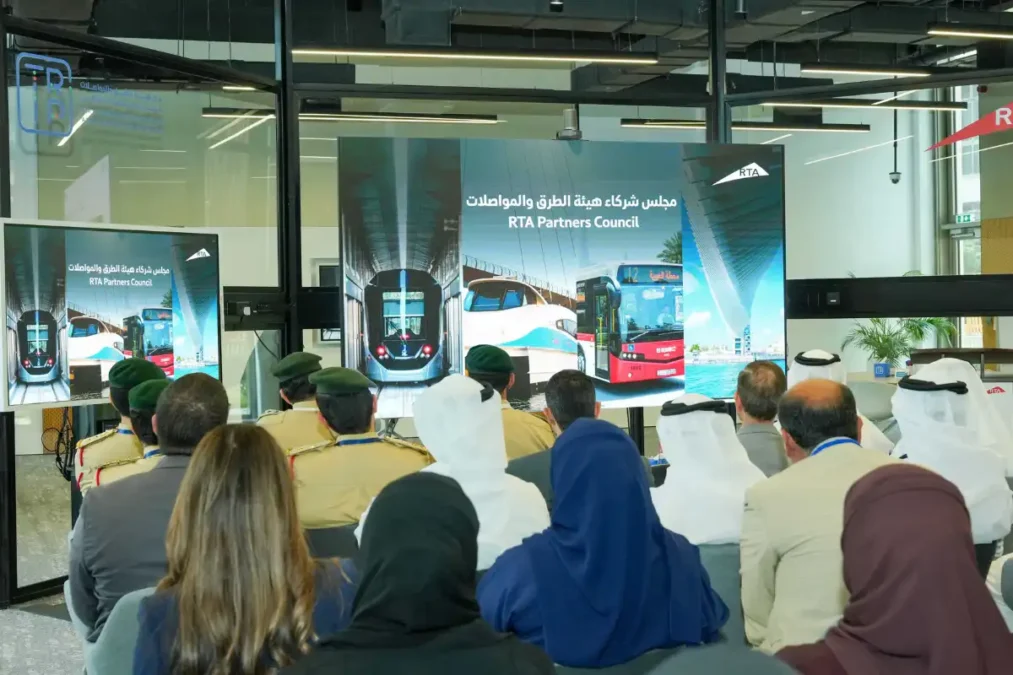
Partnership is increasingly shaping the future of Dubai’s roads and transport, not policy alone. The high-profile Annual Partnership Forum of the RTA Mobility Partnership was organized on Tuesday, May 19, 2026. The event took place at the Transportation Research and Innovation Pavilion, located at the University of Birmingham campus in Dubai Academic City.
The meeting brought together a significant number of 15 governing bodies, eight private companies and 48 external partners and international experts. Alongside representatives from across RTA’s own operational sectors, this massive assembly reflects a deliberate institutional strategy. The RTA mobility partnership indicates that the RTA is no longer treating urban mobility as a purely governmental challenge. Instead, the authority is treating it as a shared, systemic responsibility.
What the Forum Achieves
Muna Al Osaimi, CEO of the Strategy and Corporate Governance Sector at RTA, noted that the forum is a continuation of RTA’s ongoing institutional initiatives to nurture a strong culture of corporate partnership. Al Osaimi said that Dubai leadership has been making efforts to constantly expand and reinforce Dubai’s partnerships with public and private entities.
What’s more, she explained this year’s edition marks a pivotal transition. It has shifted from the focus of knowledge exchange in the past to deepening in active awareness. Finally, it seeks to convert these shared learnings into clear and definite commitments, with an impact that can be seen and felt. This change is being achieved through the pioneering and actionable collaboration projects that proactively drive Dubai’s strategic economic and geographic trajectory.
This strategic move towards delivery is the clearest indication from the 2026 forum. This is the first edition to focus heavily on accountability and execution, rather than information sharing. The forum included interactive workshops and rounds, in which specialized groups discussed five strategic themes: integration and innovative mobility, environmental sustainability, customer happiness, health, safety and security, and future readiness. The themes of the individual projects complement the macro-priorities set out in Dubai’s Urban Plan 2040 and Dubai Economic Agenda D33.

Why The RTA Mobility Partnership Now?
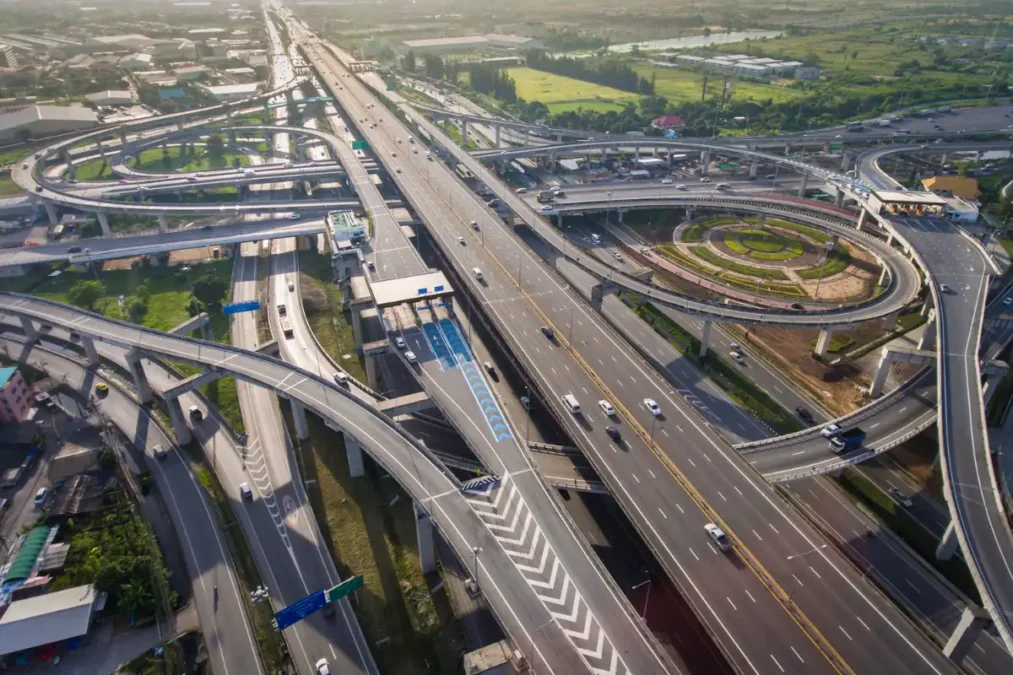
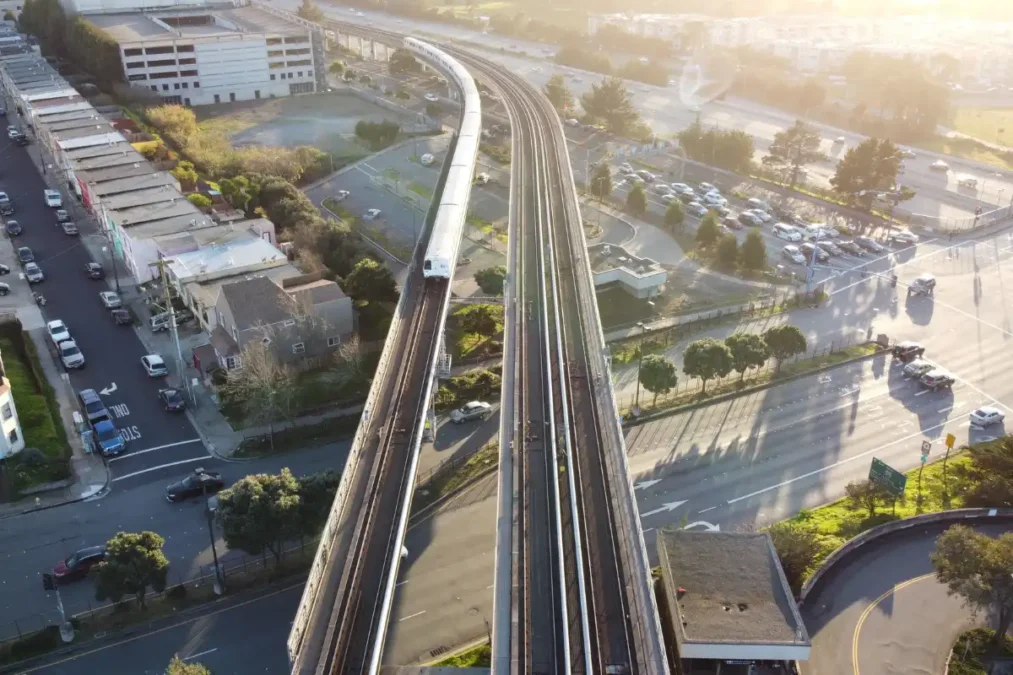
It is especially important for Dubai because of the pace at which the RTA mobility partnership approach is being implemented in the city, especially considering the huge amount of infrastructure projects already underway. At the same time, the emirate is overseeing the construction of the eagerly awaited extension of the Blue Line metro and completing the engineering work for the upcoming metro Gold Line announcement.
Plus, the city is implementing a large-scale rollout of 735 new public buses, a number of which are 40 state-of-the-art electric vehicles that will help curb the national carbon footprint. These efforts run alongside the rapid expansion of Parkin’s smart parking infrastructure and the scheduled passenger network integration of Etihad Rail. No singular government department can successfully deliver these massive, multi-billion dirham portfolios in isolation. The complexity requires intense, real-time coordination across master developers, research universities, technology suppliers, and private transport operators.
Fostering such business collaborations helps the RTA stay ahead of technology’s advancements and anticipates the future,” Al Osaimi added. The authority uses these connections to improve public services to its residents, visitors and international tourists. The RTA mobility partnership model in Dubai represents a clear recognition of what seamless and modern transportation is, and that it’s a challenge for the entire mobility ecosystem and not an issue for one agency.
For the public, the practical outcomes of these academic and commercial forums play out in structural daily improvements. Each partnership commitment shapes which metro lines expand, which autonomous transit options get trialed, and which communities receive infrastructure investment first. The annual forum is not merely a platform where static decisions are announced. It is the exact space where the operational groundwork for Dubai’s future connectivity is laid.
Read More: US-Israeli War on Iran Costs Global Businesses $25 Billion as Fuel Prices Surge