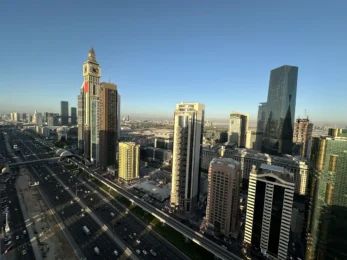
The UAE experiences a predictable meteorological cycle during transition in the middle of the year. A distinct difference in temperature between the western regions during the hottest part of the day and the cool morning air masses from the sea causes dense fog to form on a very local scale each year. At the same time, the mercury slowly rises in the inner part of the city and reaches a bubbling 44°C, traditionally the start of the quiet period in the social activities of the inner parts of the city. People moved to the old, air-conditioned shopping malls and outdoor community programming was postponed for the season. But Alserkal Avenue has changed this summer story.
There is no other place as much as Al Quoz, the industrial hub, can be seen as much as transformed. In recent years, the creative industry in this area has managed to orchestrate a massive and well-coordinated shift. The city’s social and cultural lifestyle has shifted indoors, rather than slowing down. The industrial and expansive warehouses of Alserkal Avenue have become a mini enclosed outdoor sanctuary. The intervention is a conscious approach that brings the rich vitality of street life indoors, but on a much larger scale in a controlled environment. The district is therefore able to sustain the city’s culture throughout the hottest months of summer.
Related Stories
The Architecture of an Indoor Sanctuary
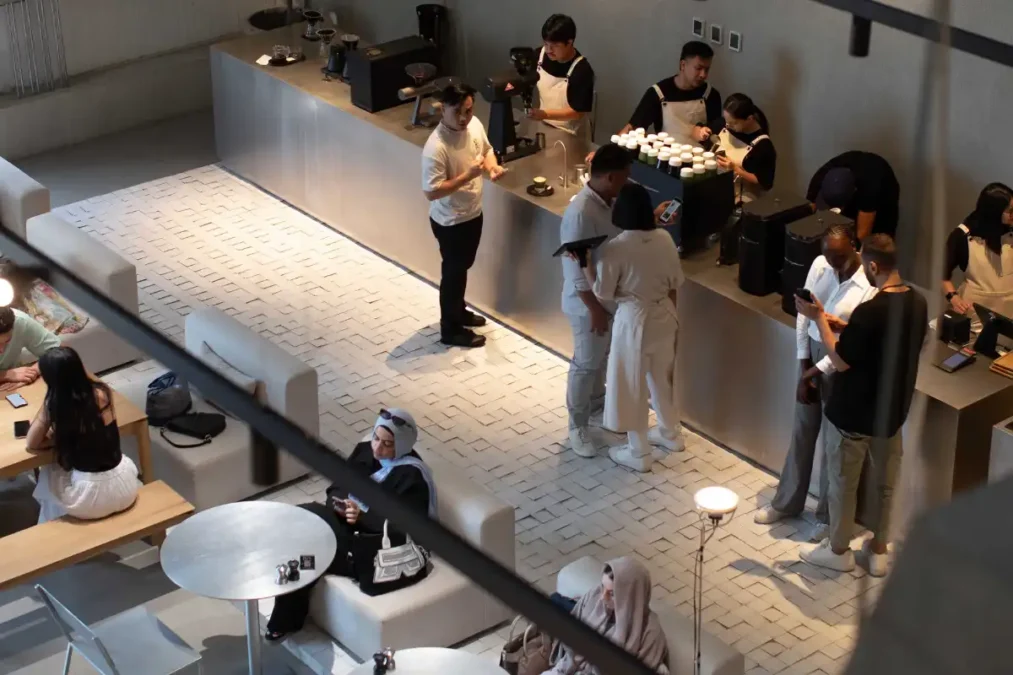
The exploration of this modern phenomenon must necessarily involve an appreciation of the special context of the Al Quoz district. Alserkal Avenue was originally founded in 2008 as an industrial adaptive reuse project. 39 gritty car repair workshops, industrial warehouses, and more, were transformed into Dubai contemporary art spaces by creative visionaries. From its inception, the zone’s architectural attractiveness was based on its enormous indoor expanse. The original founders and gallery owners knew that they had to deal with very severe seasonal climate changes each year. They intentionally designed heavy-duty HVAC cooling systems of the district to be embedded in the building structure, as if they were part of it.
This strong structure paved the way for contemporary indoor change. In the old days, visitors would come whizzing from one controlled cooling gallery to another, and spend little time in the hot inter-gallery areas. The way of work is completely different today. The avenue is no longer just a series of individual indoor venues. Rather, management has integrated these industrial areas into a comprehensive indoor way of life system. The large scale concrete flooring, sky high corrugated ceilings and simple metal beams now enclose a hyper-curated community experience. It gives crowds an unbroken Saturday or Sunday to enjoy in one’s home environment.
Alserkal Avenue: Inside Warehouse A1
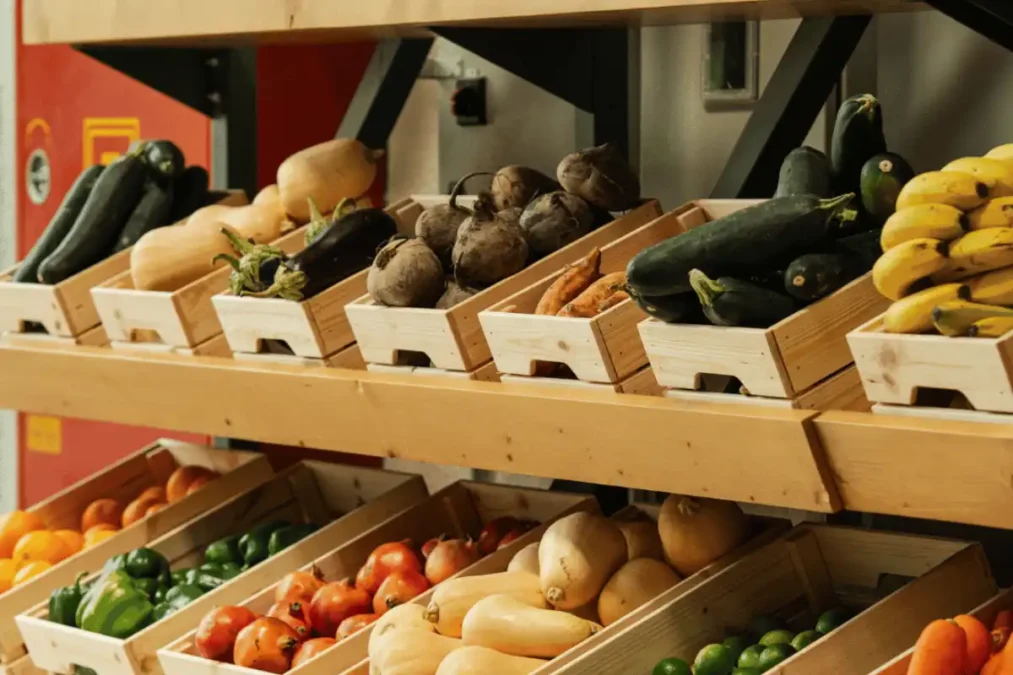
The absolute center of this seasonal indoor transition is actually the multi-purpose space called Warehouse A1. This huge facility has been able to resolve one of the summer problems for health conscious residents. It now serves as the City’s permanent summer location for its popular weekend artisan markets.

The doors of the warehouse open every Saturday and Sunday from 9:00 AM to 4:00 PM, setting up a bustling market. The indoor market is a collection of fresh, organic foods straight from local farms in the UAE. There are rows of crisp greens, colorful root vegetables and seasonal fruits for visitors to browse in climate controlled comfort. Independent artisan bakers sell sourdough loaves, and local organic honey producers sell special regional varieties next to the agriculture stalls. More sustainable items include clothing, handmade ceramics, and botanical products from the homegrown lifestyle concepts that occupy the rest of the areas. It is a carefully selected offering essential for local small businesses losing retail activity over the summer.
Curated Indoor Experiences at Alserkal Avenue
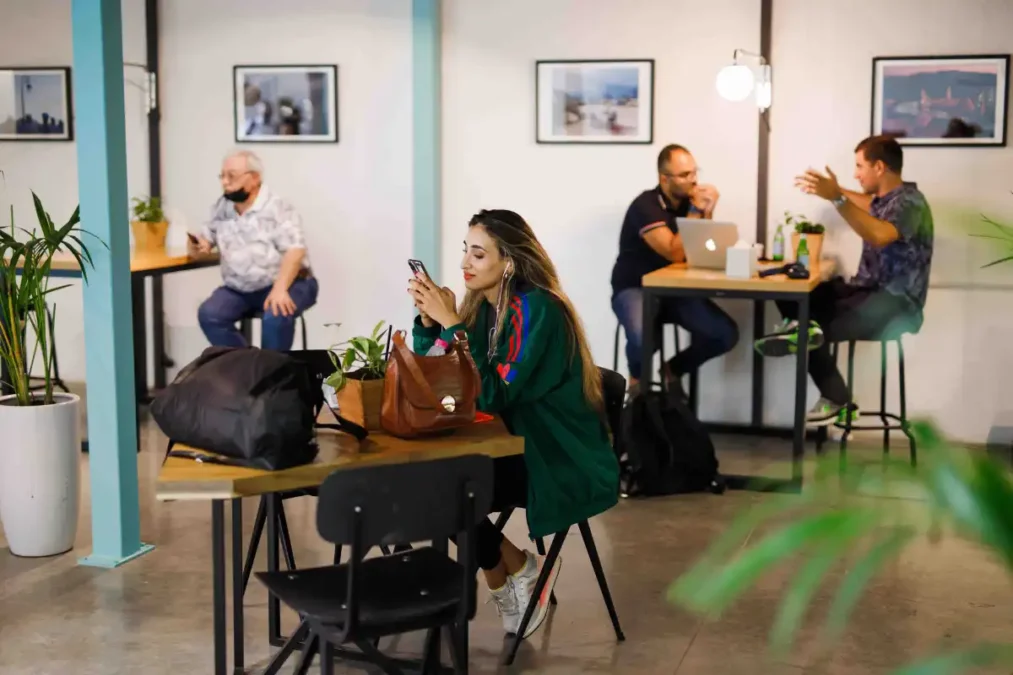
The true success of the indoor shift lies in the sheer variety of activities available within the warehouse grid. A visitor can easily spend eight hours inside the avenue without ever stepping into the sun. The morning typically begins with physical wellness activities. Several warehouses host indoor yoga pop-ups and mindfulness sessions, where participants exercise on polished concrete floors under soft, ambient lighting.
Following wellness sessions, the crowd shifts toward creative exploration. Specialized artisan coffee concepts offer spaces to read, work, or discuss design trends. From there, visitors move directly into interactive craft workshops. On any given weekend, master artisans teach community classes ranging from manual pottery throwing to perfume blending and leather crafting. These workshops cater heavily to a growing local demographic of young professionals, media professionals, and designers who seek meaningful, hands-on weekend experiences.
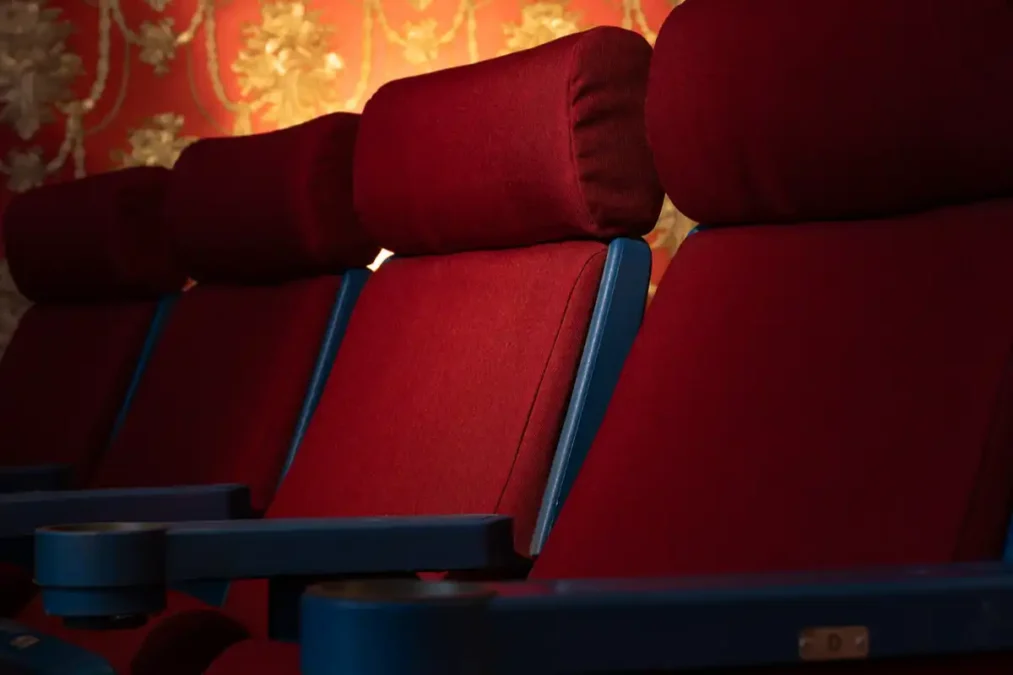
As afternoon approaches, entertainment takes over. The region’s first independent arthouse movie theater, Cinema Akil, offers a critical indoor haven. The cinema, which is beautifully refurbished in a former warehouse, presents independent world cinema, documentary films from the regions and individual cinematical retrospectives. The opulent and cold theater is a small space, far removed from the industrial world outside.
Sustaining the Contemporary Art Community
The district is made up of a wide variety of lifestyle markets and retail ideas, but fine art is the spiritual heart of the district. The Dubai Dubai Dubai contemporary art community is crucial during this period of traditionally sluggish global art markets by keeping the arts alive indoors.

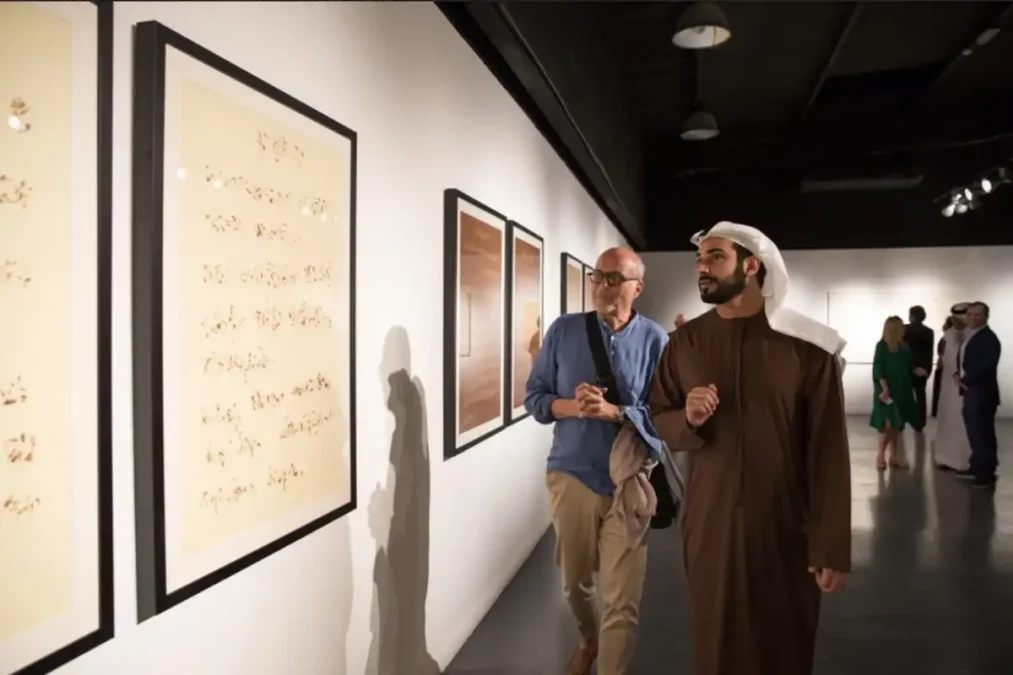
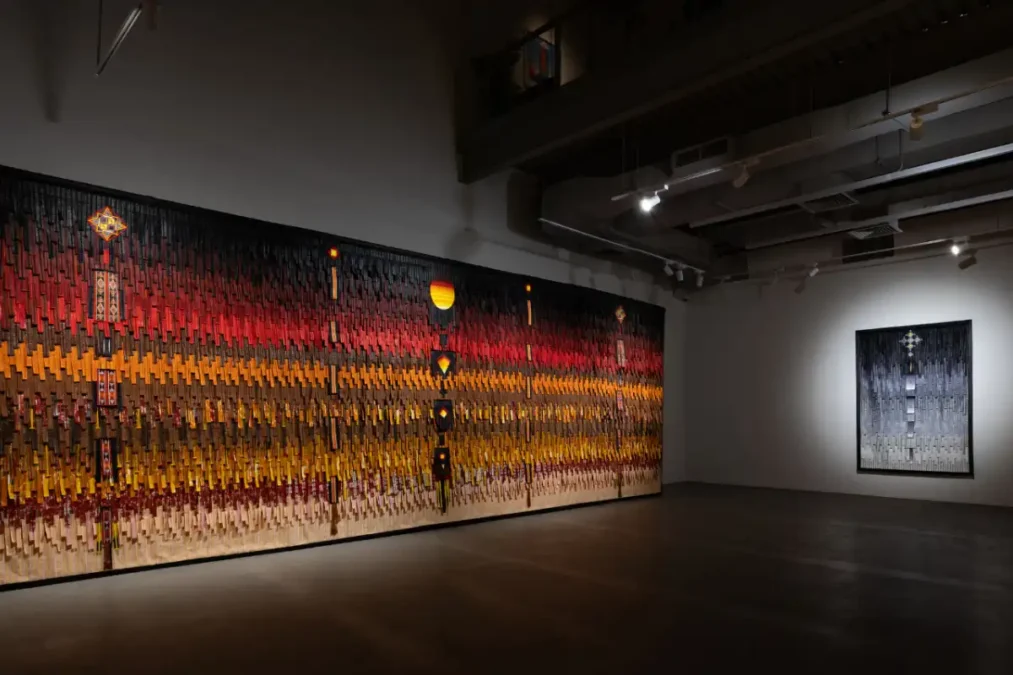
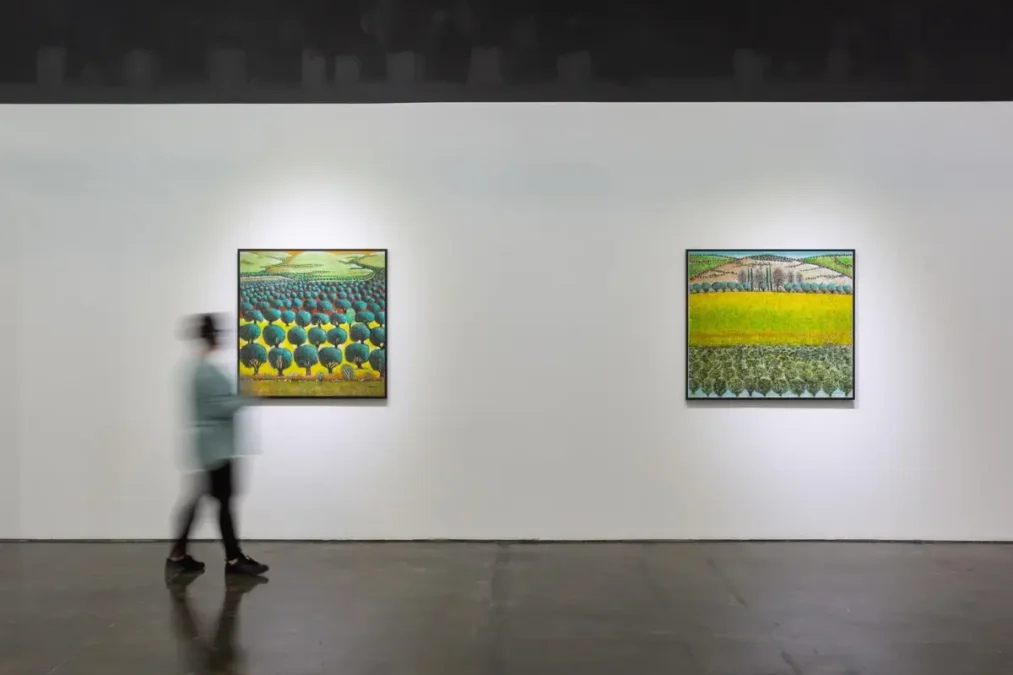
In today’s world, many major galleries have a vibrant year-round schedule of Dubai Dubai contemporary art shows in their spacious galleries. The Ishara Art Foundation has regularly staged large-scale and institutional level exhibitions that investigate intricate South Asian diaspora stories. The Third Line and Carbon 12 are two prominent galleries that are located right next door, hosting solo exhibitions by emerging regional artists. With all these locations open to the public for free, art exploration is a daily possibility for people.
In addition, the avenue has broadened its programming to a more complete, week-long event, and has expanded the “Art Week” theme to something more than just one event. The longer time frame enables intimate discussions with panel members, curator-led tours, and experimental pieces in performance art to be held in the galleries. The economic power of the local art market can only not stall as collectors, critics and enthusiasts can meet in comfortable, air-conditioned spaces to discuss trends, share ideas and buy art.
The Cultural Impact of the Shift
The long-term significance of this indoor movement extends far beyond simple summer convenience. It represents a fundamental shift in how residents interact with the city during the hot season. For decades, the dominant summer narrative in the region involved leaving the country entirely or spending weekends exclusively inside massive, commercial shopping complexes. The indoor transformation of Alserkal Avenue offers an authentic, community-driven alternative.
This movement satisfies a distinct psychological need within the modern Dubai population. Residents are increasingly seeking out third spaces that prioritize culture, human connection, and local heritage over pure consumerism. By moving the farmers market, the art gallery, the indie cinema, and the craft workshop under one industrial roof, the district has created a new form of urban neighborhood. It proves that architectural adaptability can overcome the challenges of an extreme climate. The great indoor shift demonstrates that when the desert summer forces the city inside, creativity simply builds a better world within the warehouse.
Read More: Al Rams Waterfront Project Launched in Ras Al Khaimah