
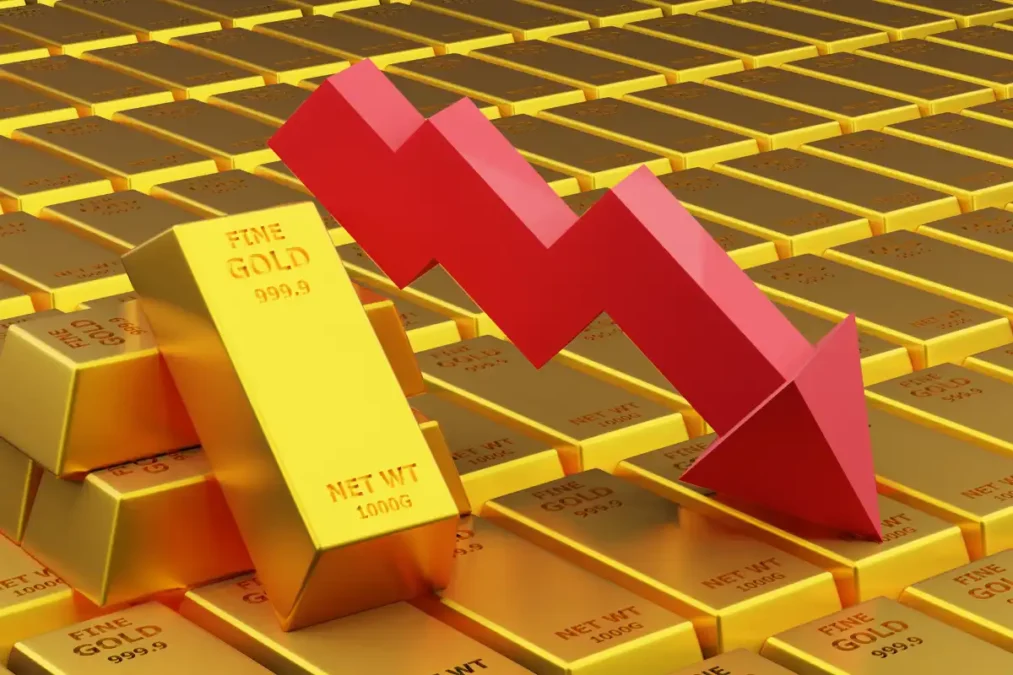
Investors across the local commodity market are closely monitoring global price corrections as the retail sector adapts to shifting international indicators. Following a period of sustained historic highs, gold prices in UAE fell significantly during Thursday trading. The local bullion trading ecosystem experienced a wave of algorithmic sell-offs, prompting a welcome drop for retail consumers who frequent the local souks.
According to data compiled globally by FXStreet, the spot rate for the precious metal dropped notably, with the market closing at a retail price of AED 516.18 per gram on May 28. This downward trend represents a distinct decline from the previous session, where the price stood at AED 526.16 per gram. This sudden movement demonstrates how sensitive local trading counters remain to shifting global monetary policies and macroeconomic adjustments.
Related Stories

However, tracking gold prices in UAE today, the market has already shown its characteristic volatility heading into Friday, May 29. Local retail opening rates inside Dubai rebounded slightly to AED 544.00 per gram for 24-karat bullion, recovering from yesterday’s low of AED 541.25 as market participants continue to balance a highly unpredictable global landscape.
This rapid, intraday price fluctuation demonstrates that while Thursday provided a major window of relief for buyers, the broader commodity sector remains on a knife-edge. Retailers across the Deira Gold Souk report that these swift shifts are keeping transaction volumes exceptionally high, as both institutional hedgers and everyday consumers scramble to time their physical acquisitions perfectly.

Gold Prices in UAE: Risk Assets Shift Capital
The primary catalyst for the reduction in gold prices today stems directly from recent shifts in international safe-haven asset allocations. Historically, institutional wealth managers and global central banks accumulate physical bullion reserves during times of intense regional turbulence or currency depreciation. Once geopolitical risks start to settle down, or when key economic data come out with remarkable stability, however, money begins to flow out of yieldless assets, albeit quickly.
Related Stories

The new Federal Reserve Chairman, Kevin Warsh, was sworn in recently, which has changed global capital flows, leading to expectations of more measured interest rate cut expectations, and a firmer U.S. dollar. Because gold is a non-yielding asset, higher-for-longer monetary policies naturally apply heavy bearish pressure on global spot rates.
The broader gold market operates with a strong inverse correlation to the U.S. dollar and riskier equity indexes. As global risk assets rebounded over the past 24 hours, capital moved out of precious metals, causing the price to slide locally to AED 6,020.59 per tola during the Thursday close. This dynamic highlights why regional investors closely follow currency index performance.
Related Stories

Capital.com market analysts point out that easing geopolitical fears, specifically surrounding temporary diplomatic breakthroughs and potential ceasefires in the Middle East, have prompted algorithmic trading desks to strip the “war premium” out of commodity contracts. When traders rotate back into equities and bonds, the precious metal immediately loses its immediate safe-haven momentum, forcing a localized retail price correction.
Retail Demand Absorbs the Price Drop
The sudden correction in the gold prices in UAE provides immediate strategic opportunities for local retail buyers and institutional asset managers alike. Since a critical piece of society for the precious metal is the wedding, religious events and asset protection for families, it’s just a fact that when the price drops, the number of people buying up the metal rises.
The price of gold has dropped to AED 516.18 per gram, leading to a swift increase in sales across Dubai’s jewelry shops and Abu Dhabi’s. To long-term investors, such a flash crash is not necessarily a worrisome event; it is something to be seized as a great opportunity to build physical assets at a reduced price.

Despite the brief downward turn, underlying confidence in the long-term value of precious metals remains completely unshaken across the emirate. Central banks in major emerging economies, most notably the People’s Bank of China, continue to look for strategic entry points to diversify their paper currency reserves away from western debt instruments.
This structural, institutional buying provides a massive macroeconomic floor that prevents local rates from experiencing a total collapse. Consequently, local market analysts expect the current reduction to be rapidly absorbed by robust consumer jewelry purchasing and structural investment demand. Even as prices experience minor friction from a stronger dollar, Dubai’s physical infrastructure ensures it remains the world’s premier destination for wealth preservation.

Read More: Final Weekend Before Dubai’s Outdoor Attractions Close