
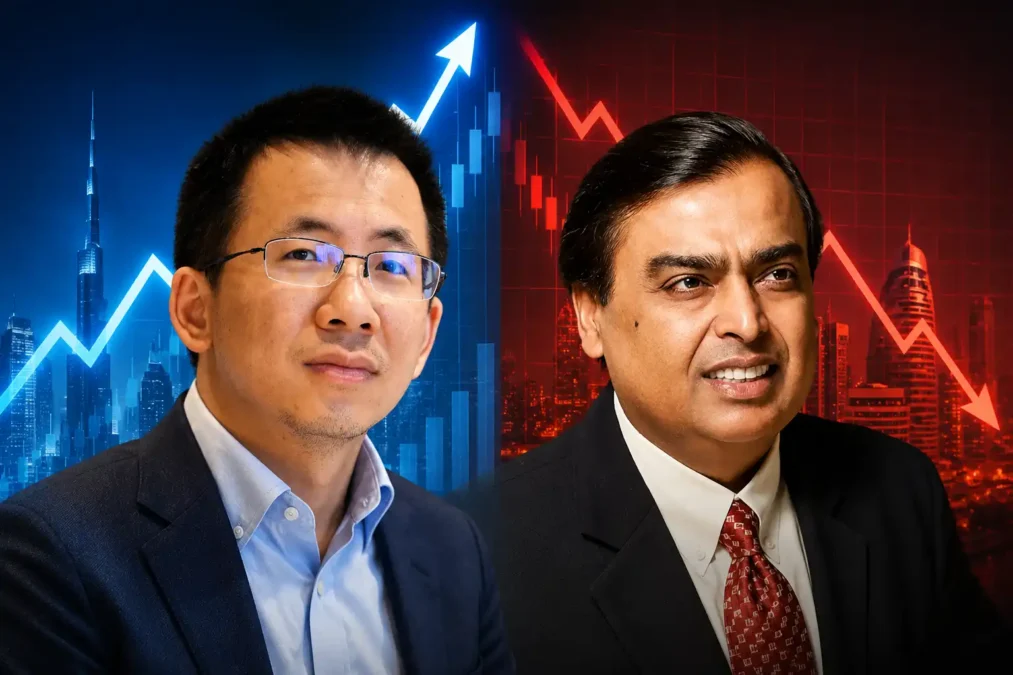
Not long ago, a 41-year-old engineer from Fujian province in China was worth USD 13 billion. It was back in March 2019, when his net worth first appeared in Bloomberg’s tally. Today, Zhang Yiming is worth USD 92.8 billion and he has just displaced one of the world’s most recognized industrialists from a position that he has held for years.
With a jump in the value of ByteDance and continued advancements in its artificial intelligence aspirations, Zhang Yiming has overtaken Mukesh Ambani to become Asia’s second richest individual. It’s a ranking change that reflects much more than just shifting wealth; it’s a reflection of where the wealth is happening in Asia these days.

Who Is Zhang Yiming?
While Ambani is a name that is well known, the same goes with Zhang. He doesn’t give many interviews, resigned from the role of Chief Executive of ByteDance in 2021 and resides in Singapore. He has made himself a fortune with his controlling stake in the parent company, ByteDance, the developer behind the popular app TikTok, which has over one billion users. Zhang’s first business was in 2009 when he started 99fang.com, a property search site, after spending three years as an engineer at the company, Kuxun.com, a tourism search site.
In 2012, he founded ByteDance. The results were one of the quickest fortunes to be made in the history of modern technology. Since Bloomberg began monitoring his wealth in March 2019, the fortune of the founder of the ByteDance has increased by over seven times, up from USD 13 billion. Nowadays he is the wealthiest man in China and the second wealthiest man in Asia, as of June 3, 2026.

How USD 24 Billion Arrived Overnight
The precise mechanism behind Zhang’s leap past Ambani involves a valuation adjustment rather than a business event. The Bloomberg Billionaires Index applied a 25 percent risk discount to ByteDance’s valuation after the US House of Representatives passed a bill in March 2024 to ban TikTok’s operation in the country unless its Chinese owner sold the app. That discount was lowered to 10 percent on June 2 to reflect the completion of the US sale as well as the largest quarterly regulatory updates given by institutional investors in regulatory filings published in late May.
Related Stories

The result was immediate. Zhang’s wealth jumped by more than USD 24 billion after Bloomberg analysed valuations from investors BlackRock, Fidelity Investments, T. Rowe Price Group, HSG, and General Atlantic. In a single revision, the regulatory cloud that had been weighing on ByteDance’s value for over two years was significantly lifted.
TikTok, Doubao, and the AI Engine
The valuation revision alone does not explain ByteDance’s trajectory. The company has been building a second engine of growth entirely separate from TikTok. The surge comes amid the success of ByteDance’s video app TikTok as well as its Doubao AI chatbot, which has amassed more than 300 million monthly users to become China’s most popular. Doubao’s scale is significant. ByteDance is transitioning its AI strategy from aggressive, subsidised user acquisition to a tiered subscription model, testing price points ranging from RMB 68 to RMB 500 per month. This is a structural shift.

In a market where Chinese users have historically resisted paying for digital services, Doubao is testing whether AI can change that behaviour entirely. Furthermore, according to a Bloomberg report, ByteDance is considering spending as much as USD 70 billion in 2026 to bolster its AI capabilities and compete with dominant global AI companies, with much of this investment expected to be financed by the company’s strong earnings.
Zhang Yiming is 2nd, Where Does Ambani Stand Now?
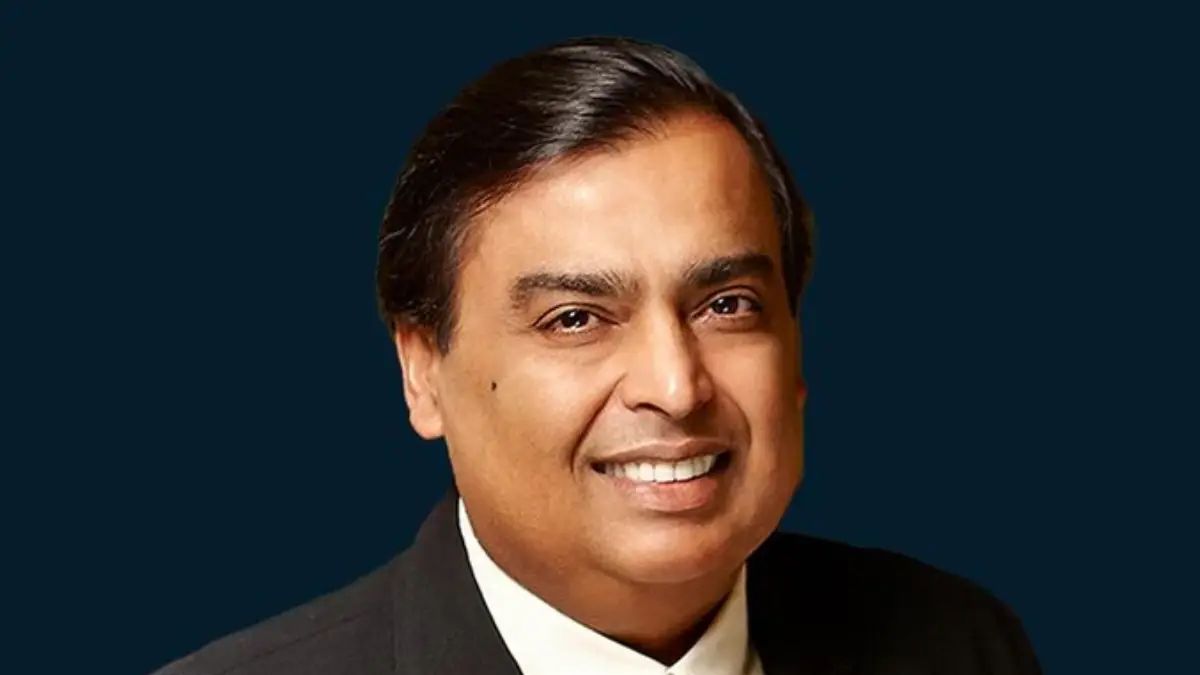
Mukesh Ambani is not in crisis. That needs to be said plainly. Ambani has become the third richest person in Asia with a net worth of USD 86.9 billion, as Gautam Adani maintains his position as Asia’s richest at USD 117.4 billion. Ambani has been in these waters before – he’s seen the Indian tech billionaire’s wealth rise and fall in the last ten years with the ups and downs of China’s tech giants. Reliance Industries keeps on growing in the telecom, retail, and renewable energy sectors, but the market valuation fueled by technology and AI has played a major role in helping Zhang keep up and stay one step ahead.
The difference between Zhang and Ambani is almost USD 6 billion or a significant gap in billionaire terms. Reliance’s continued expansion in green energy and the ongoing growth of Jio could narrow that gap depending on how markets move. For now, Ambani finds himself in a position he has not occupied in some time: third in his own continent, squeezed between an Indian infrastructure billionaire above him and a Chinese technology founder below. Asia’s wealth map is shifting. It is moving faster than most analysts expected, and it is moving toward artificial intelligence.
Related Stories

Read More: UAE Weather Today: Temperatures Rise to 48°C with Dust Spreading Nationwide