
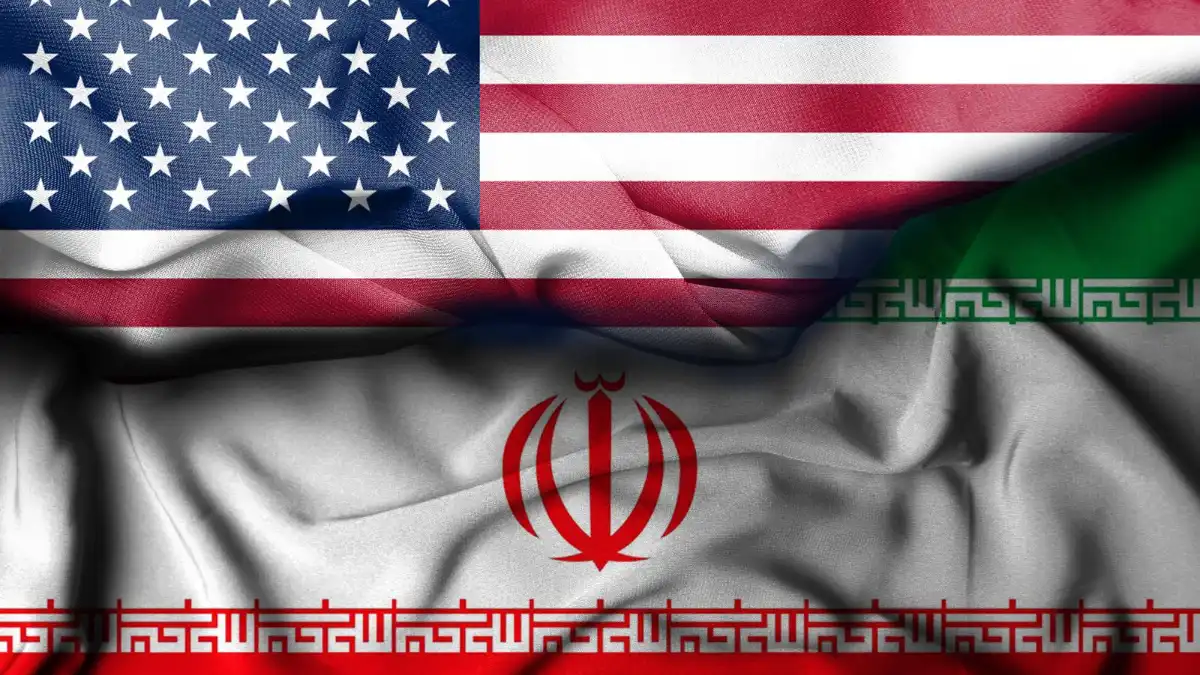
Iran US peace talks face a crucial test after Iranian Parliament Speaker Mohammad Baqer Ghalibaf said Tehran will not enter negotiations on a final agreement with Washington until five key provisions of the recently signed peace memorandum of understanding (MoU) are implemented. The announcement comes ahead of fresh negotiations in Doha, where US President Donald Trump has expressed optimism about diplomatic progress while reiterating that Iran will not be allowed to develop nuclear weapons.
The remarks come ahead of another round of US-Iran discussions in Doha, where President Donald Trump has expressed optimism that diplomacy could help ease regional tensions while reiterating that Washington will not allow Tehran to acquire a nuclear weapon.
Related Stories

Iran outlines five conditions before final negotiations
Speaking in an interview with Iranian state broadcaster IRIB TV, Ghalibaf, who is also leading Iran’s negotiating team, said Tehran would not proceed with discussions on the remaining provisions of the peace MoU until five preliminary commitments had been fulfilled.
According to Ghalibaf, Iran’s recent diplomatic mission to Switzerland focused on implementing the initial provisions aimed at ending the conflict across the region.
He identified the five priority measures as:
- Ending military operations on all fronts, including Lebanon.
- Lifting the US naval blockade.
- Reopening the Strait of Hormuz.
- Issuing US waivers to allow Iranian crude oil exports.
- Releasing frozen Iranian financial assets.
“Unless these five preliminary paragraphs are fulfilled, the implementation of the remaining paragraphs will not begin,” Ghalibaf said.
His comments underscore Tehran’s position that practical implementation must precede negotiations on a comprehensive settlement.
Joint committee to oversee Lebanon ceasefire
Ghalibaf also revealed that Iran, the United States and Lebanon had agreed to establish a joint committee responsible for monitoring the ceasefire and ensuring the conflict in Lebanon comes to an end.
The committee will also oversee efforts to safeguard Lebanese sovereignty and monitor compliance with the agreed arrangements.
According to Ghalibaf, both Iran and the United States have already appointed their representatives to the committee, while Lebanon is expected to complete the process.
He stressed that Iran would continue pursuing diplomacy while maintaining its ability to respond militarily if necessary.
“Iran both pursues the path of dialogue and responds with force wherever necessary,” he said.
The comments reflect Tehran’s dual-track strategy of combining diplomatic engagement with continued emphasis on military preparedness.
Trump optimistic ahead of Doha meeting
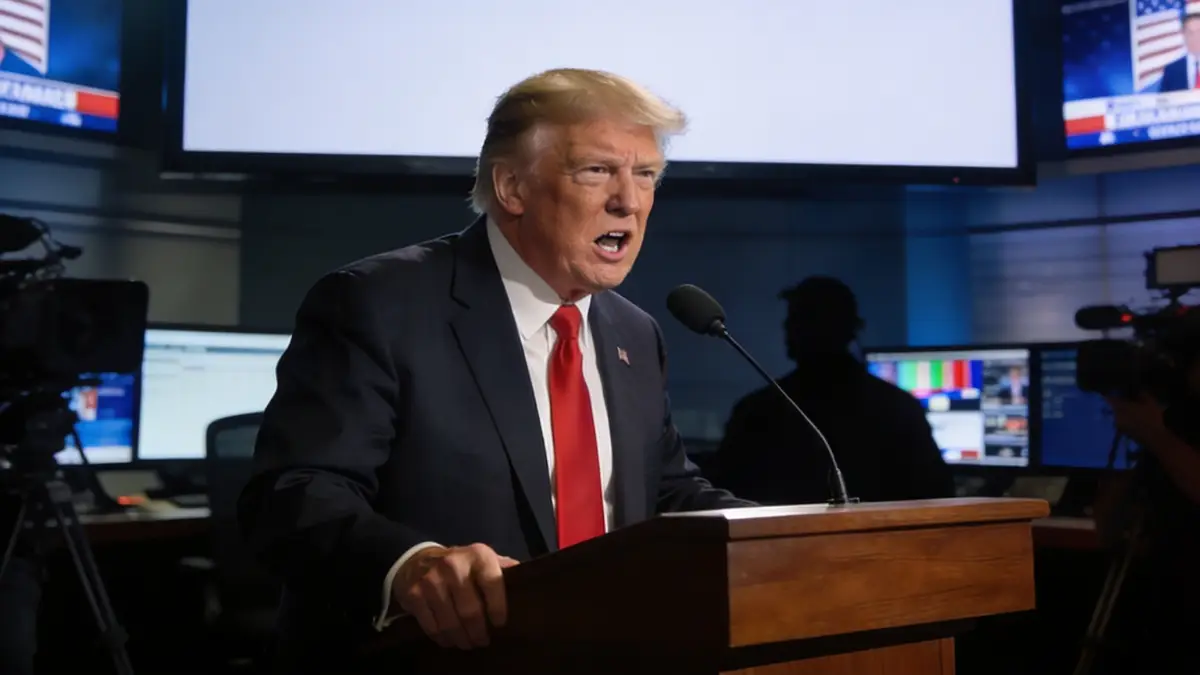
Meanwhile, US President Donald Trump struck an optimistic tone regarding the upcoming negotiations, saying Iran had agreed not to pursue nuclear weapons while talks continued.
Speaking from the Oval Office before signing a presidential memorandum on vehicle repairs, Trump confirmed that American officials were travelling to Qatar for another round of discussions scheduled in Doha.
“There’ll be a meeting on that tomorrow, in Doha… we’ll see how that goes,” Trump said.
“The meeting in Doha is going to be perhaps important, perhaps not. We’re going to find out.”
Trump also argued that recent US military action targeting Iran’s nuclear programme had strengthened Washington’s negotiating position, saying the United States had made progress through both military and diplomatic channels.
However, he maintained that preventing Iran from developing nuclear weapons remained a central objective of US policy.
Peace memorandum signed in June
The latest diplomatic efforts follow the signing of a peace memorandum of understanding between Iran and the United States on June 18, aimed at reducing hostilities and creating a framework for broader regional stability.
The agreement marked a significant breakthrough after months of heightened tensions and military exchanges that had raised fears of a wider regional conflict.
Although the memorandum established a roadmap for de-escalation, many of its provisions require phased implementation before negotiations on a comprehensive settlement can proceed.
Iran’s insistence on fulfilling the initial commitments highlights the complexity of translating diplomatic agreements into concrete actions on the ground.
Switzerland hosted technical negotiations
Following the signing of the MoU, technical negotiations between Iranian and American officials began in Switzerland on June 22.
Those talks followed high-level consultations held a day earlier between senior delegations from both countries.
Pakistan and Qatar served as mediators during the consultations, helping facilitate communication between Washington and Tehran amid continued international efforts to prevent renewed escalation.
The technical discussions focused on implementing the memorandum’s provisions and establishing mechanisms to monitor compliance, laying the groundwork for future political negotiations.
Diplomatic path remains uncertain
Despite cautious optimism expressed by both sides, significant challenges remain before a comprehensive agreement can be reached.
Iran continues to insist that tangible steps—including easing economic restrictions, restoring oil exports and releasing frozen assets—must precede discussions on the broader framework of a final peace accord.
The United States, meanwhile, continues to emphasise preventing Iran from acquiring nuclear weapons while seeking greater regional stability through diplomacy.
The upcoming Doha talks are expected to provide an early indication of whether both sides can bridge the remaining gaps and move from preliminary confidence-building measures towards a lasting agreement.
For now, Tehran’s conditions make clear that implementation—not just promises—will determine whether negotiations advance to the next stage.