

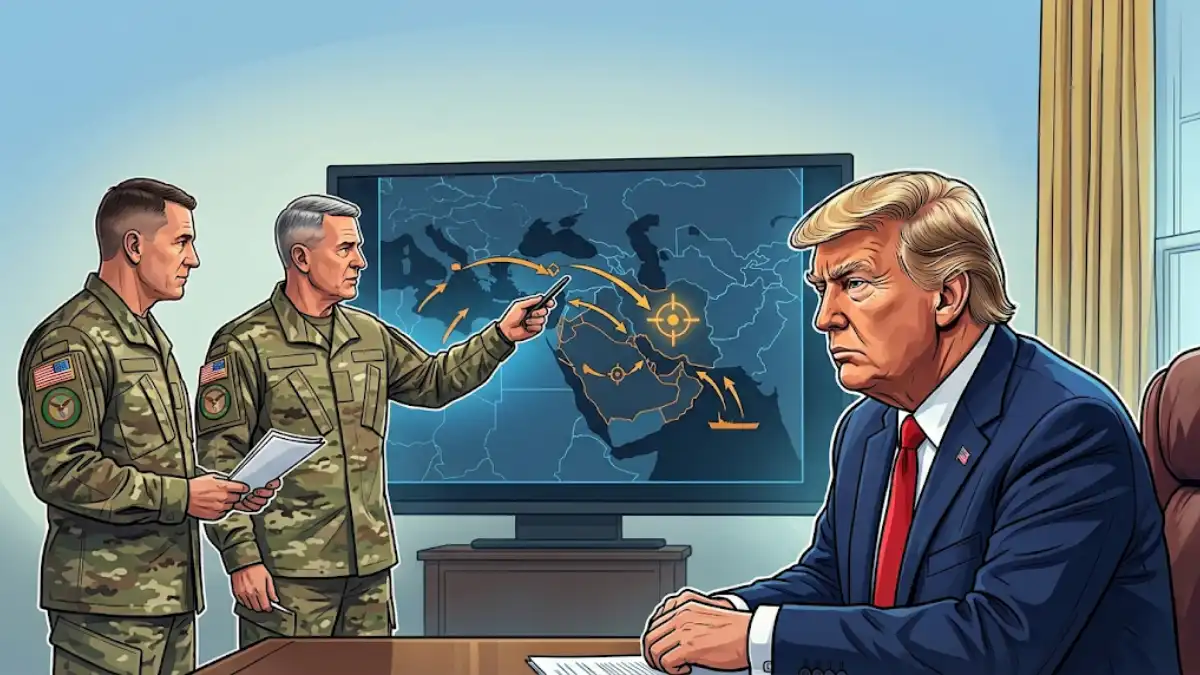
Trump threatens Iran with a major escalation in the ongoing conflict, warning that the United States could target the country’s power plants, bridges and other critical infrastructure if Tehran refuses to return to negotiations. The remarks by US President Donald Trump signal a possible expansion of American military operations following the collapse of a ceasefire and renewed hostilities between the two countries.
Speaking to reporters, Trump said the US military had deliberately avoided attacking some of Iran’s most important civilian infrastructure but suggested that restraint would end if Iran continued military operations and declined to engage in diplomacy.
Related Stories

“Next week, it gets REALLY bad for them, because next week comes the POWER PLANTS. Next week comes the bridges. We’re going to knock out ALL of their power plants,” Trump said.
He added that unless Iran agreed to negotiate, the United States would also target bridges across the country.
“We’ll knock out all of their bridges unless they get to the table and negotiate,” he said.
Military Campaign Enters a New Phase
Trump’s remarks come as fighting between the United States and Iran has entered a more dangerous phase following the collapse of the June ceasefire memorandum that had been brokered by Pakistan, Oman and Qatar.
Since the breakdown of the agreement, US forces have resumed airstrikes against Iranian military installations while also reinstating a naval blockade targeting Iranian ports. Washington says the renewed military campaign is aimed at weakening Iran’s military capabilities and preventing further attacks on US forces and regional allies.
The latest warning suggests that the US may now be considering strikes on infrastructure that plays a vital role in Iran’s economy and daily life, representing a significant shift from previous operations that primarily focused on military assets.
Iran Responds With Missile and Drone Attacks
Iran has rejected US accusations and maintains that Washington was responsible for violating the ceasefire agreement.
In response to renewed US military operations, Tehran has launched missile and drone attacks targeting American military positions as well as commercial shipping linked to US allies operating in the region.
The exchanges have heightened tensions across the Gulf, raising concerns over the safety of international shipping routes and the potential impact on global energy markets.
Military analysts warn that continued attacks on commercial vessels could further disrupt trade through key waterways and increase insurance costs for shipping companies operating in the region.
Critical Infrastructure Could Become New Targets
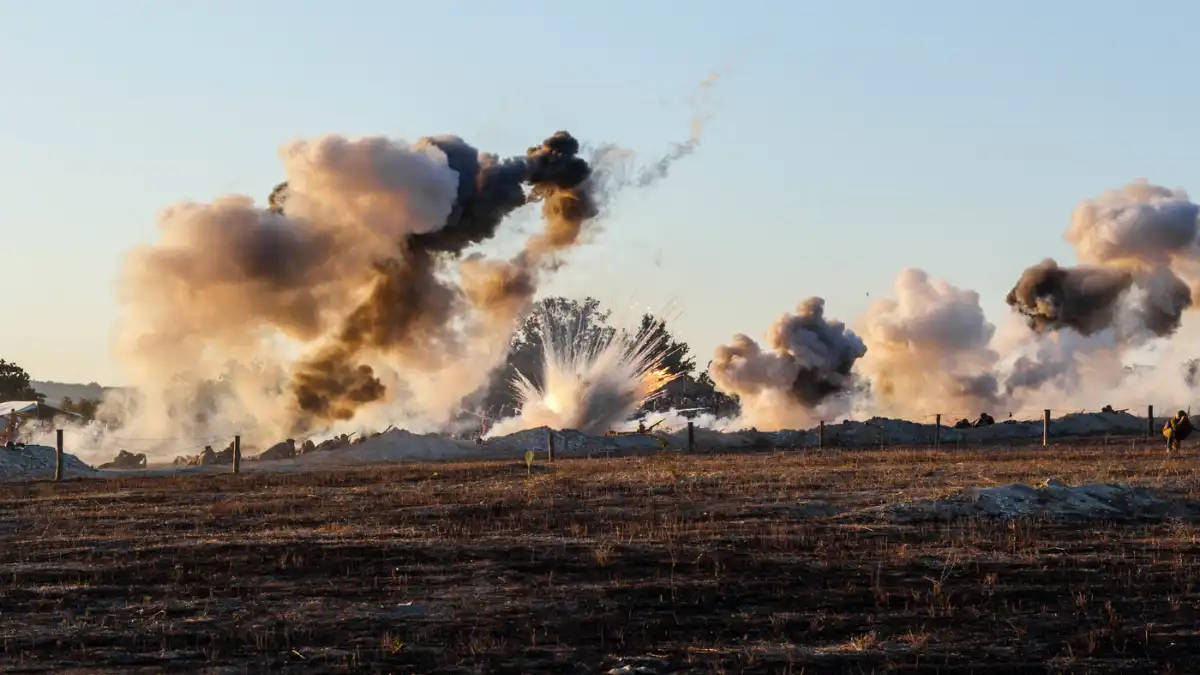
If carried out, strikes against power plants and bridges would represent one of the most significant escalations since hostilities resumed.
Power plants are essential for supplying electricity to homes, hospitals, industries and public services, while bridges serve as key transportation links connecting cities and supporting the movement of people and goods.
Military experts say attacks on such infrastructure could severely affect Iran’s electricity network, transportation system and broader economy. Damage to power generation facilities could lead to widespread blackouts, while the destruction of major bridges could disrupt supply chains and emergency services.
The possibility of targeting infrastructure has prompted fresh concerns among humanitarian organisations about the impact on civilians.
International Law Raises Questions
The prospect of strikes on civilian infrastructure has also drawn attention to international humanitarian law, which governs the conduct of armed conflicts.
Under the laws of war, parties to a conflict are required to distinguish between military objectives and civilian objects. Attacks that are expected to cause excessive civilian harm compared with the anticipated military advantage are generally prohibited.
Legal experts note that while certain infrastructure may become lawful military targets if it is directly supporting military operations, any attack must still comply with the principles of proportionality and necessity.
Human rights organisations have repeatedly warned that damage to electricity networks and transport infrastructure can have long-lasting humanitarian consequences by disrupting access to healthcare, clean water and essential services.
Diplomatic Efforts Continue Despite Rising Tensions
Despite the increasingly hostile rhetoric, diplomatic efforts to prevent a wider regional conflict continue.
International mediators and regional governments are urging both Washington and Tehran to return to negotiations before the conflict escalates further. Diplomats fear that continued military exchanges could draw additional countries into the confrontation and threaten stability across the Middle East.
Trump has maintained that military pressure is intended to force Iran back to the negotiating table rather than prolong the conflict. Iranian officials, however, insist they will not negotiate under military threats and have vowed to continue responding to US actions.
With both sides hardening their positions and military operations continuing, concerns are growing that the coming days could determine whether the crisis moves toward diplomacy or a broader regional war.
Also Read: US-Iran Conflict Escalates