

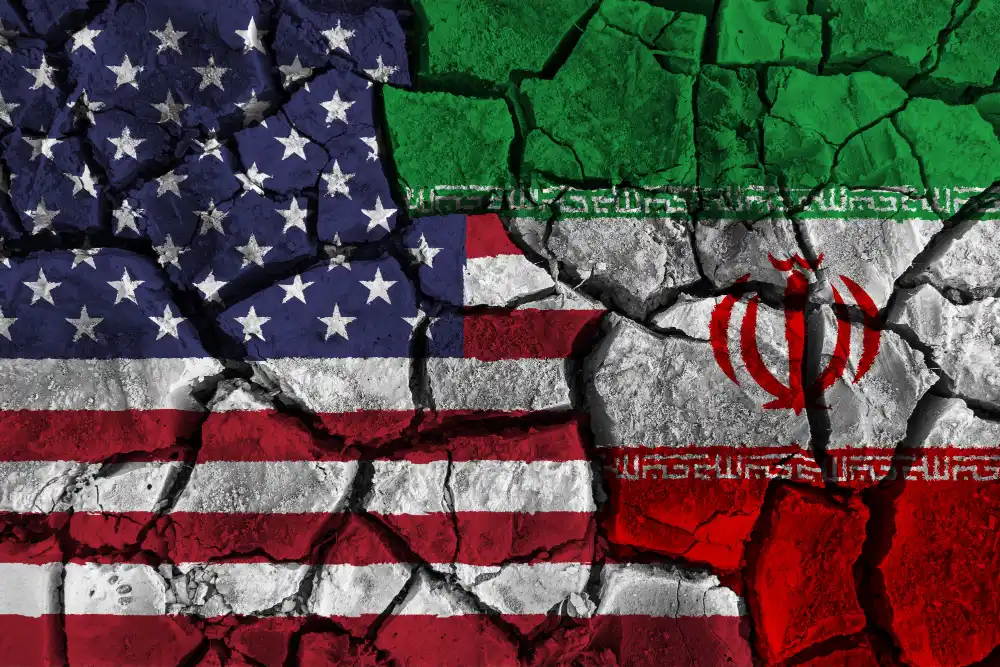
US-Iran Conflict: The US-Iran conflict escalated sharply over the weekend as both countries exchanged fresh military strikes, heightening security concerns across the Gulf region. With the Strait of Hormuz emerging as the focal point of the crisis, fears are growing over potential disruptions to global oil supplies, international shipping routes and regional stability, prompting Gulf nations to remain on high alert.
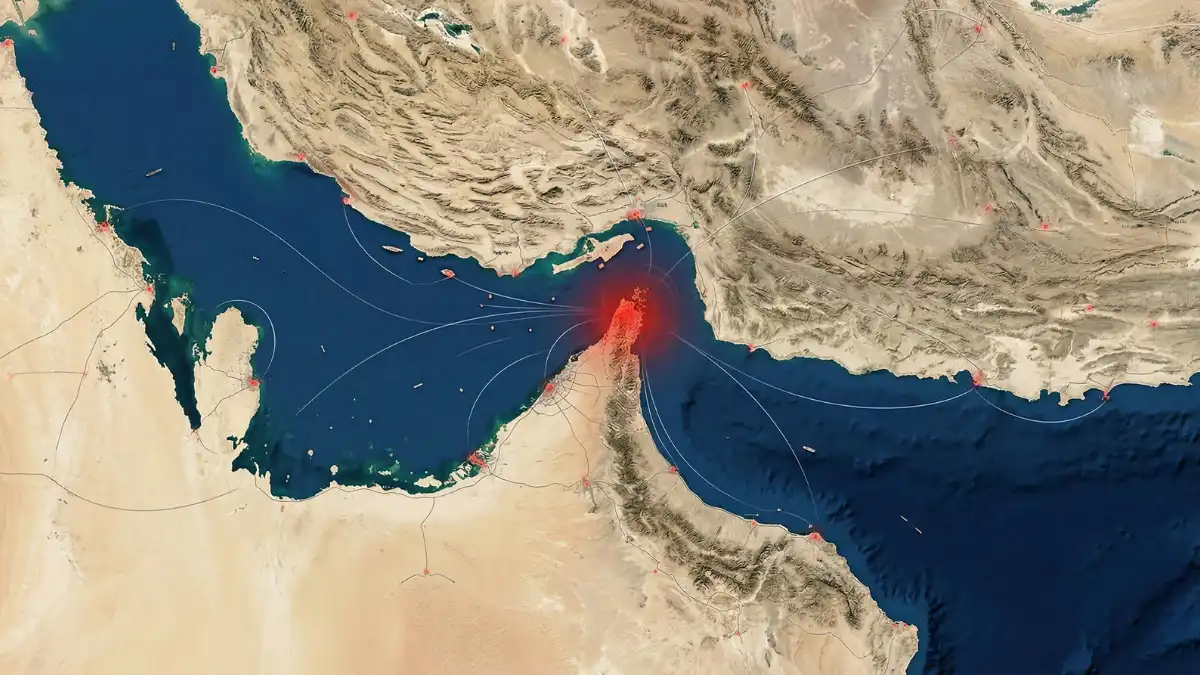
The narrow waterway, which connects the Arabian Gulf to the Gulf of Oman, is a vital route for a significant share of the world’s oil and liquefied natural gas exports. Conflicting statements from Washington and Tehran over the status of the strait have added uncertainty, while Gulf countries remain on alert amid rising military activity.
US launches new wave of strikes on Iran
The United States Central Command (CENTCOM) announced that it carried out another wave of precision strikes on July 12, targeting dozens of military sites across Iran.
According to CENTCOM, the operation focused on Iranian air defence systems, coastal radar installations, missile and drone capabilities, as well as small boats allegedly linked to maritime operations.
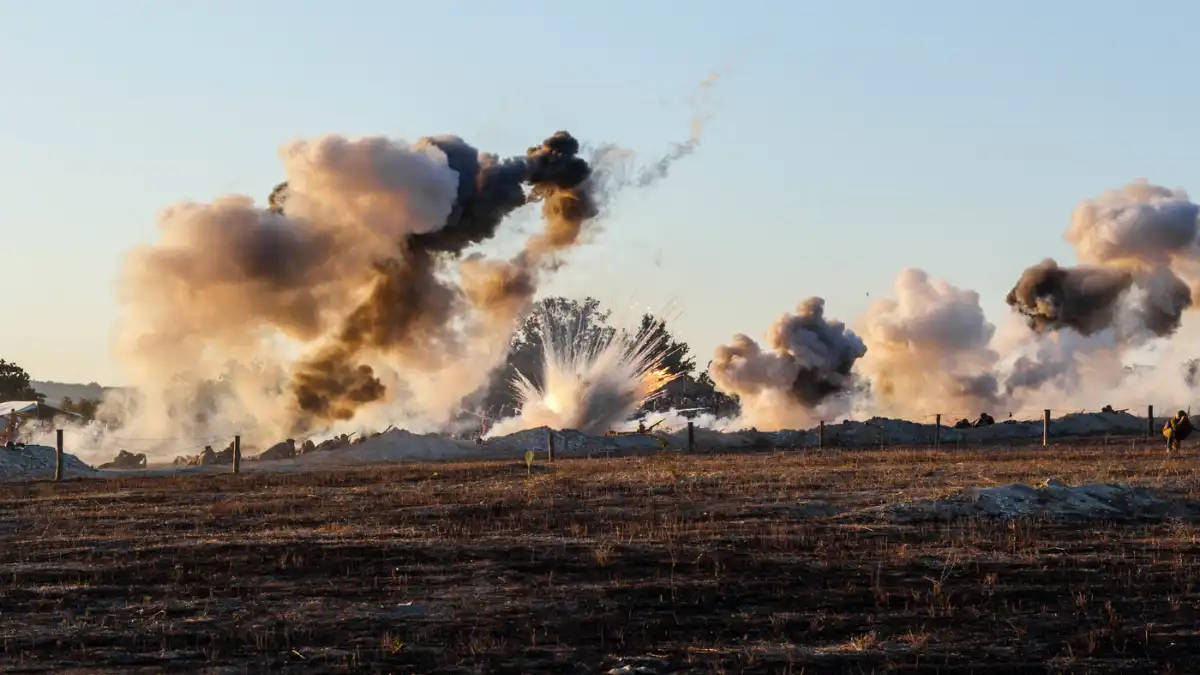
The US military said fighter aircraft, naval vessels, aerial drones and unmanned sea vessels were used during the operation. Officials stated that the objective was to weaken Iran’s ability to threaten commercial shipping passing through the Strait of Hormuz.
Related Stories

Despite the military escalation, CENTCOM maintained that the strategic waterway remains open to international shipping and said US forces are prepared to ensure freedom of navigation.
Iran reports explosions and casualties
Iranian state media reported explosions in several locations following the strikes, including the southern port cities of Bandar Abbas, Sirik and Jask, as well as Qeshm Island.
Related Stories

Authorities also confirmed casualties after a projectile struck a water pumping station in Mahshahr County in Khuzestan province. According to Iran’s official news agency IRNA, one person was killed and four others were injured in the incident.
Iranian officials condemned the attacks, accusing Washington of further destabilising the region.

Iran claims attacks on Gulf military bases
In response to the US operation, Iran’s Islamic Revolutionary Guard Corps (IRGC) claimed responsibility for strikes targeting military facilities in several Gulf countries.
Related Stories

The IRGC said it struck Kuwait’s Ali Al-Salem Air Base and Ahmed Al-Jaber Air Base, claiming damage to fuel storage facilities, Patriot missile defence systems and a strategic radar installation.
It also claimed to have targeted Bahrain’s Sheikh Isa Air Base during what it described as the second phase of its retaliatory campaign.
In Jordan, the IRGC said missiles and drones struck Prince Hassan Air Base, alleging fires broke out at fuel depots and ammunition storage facilities.
Regional authorities have not confirmed many of the claims made by Iran, but governments across the Gulf have continued monitoring the rapidly evolving security situation.
Strait of Hormuz becomes the focal point
The Strait of Hormuz remains at the heart of the confrontation after Iran announced another closure of the strategic waterway on Sunday.
Iran said restrictions would remain in place until “stability and calm” were restored, while the US military insisted commercial shipping continued to move through the route without interruption.
The differing claims have fuelled concerns among energy markets, shipping companies and governments, as any prolonged disruption could significantly impact global oil and gas supplies.
The strait serves as one of the world’s busiest maritime corridors, making it a key strategic location whenever tensions rise in the Gulf.
Gulf countries strengthen security measures
Several Gulf nations reported military activity on Sunday as Iranian missile and drone attacks targeted parts of the region.
The UAE confirmed that its air defence systems successfully responded to incoming Iranian missiles and drones. The National Emergency Crisis and Disaster Management Authority later clarified that missile threats detected earlier remained outside UAE territory.
Kuwait’s armed forces said they intercepted hostile aerial targets within Kuwaiti airspace, while Qatar reported that three people, including a child, suffered minor injuries after falling debris from intercepted projectiles.
Jordan’s military confirmed that three missiles launched from Iranian territory landed in different parts of the country, causing limited property damage but no casualties.
Meanwhile, Oman reported drone attacks in the Musandam region, although authorities said no injuries were recorded.
Oil prices climb as markets react
Global energy markets responded quickly to the latest developments.
Brent crude prices climbed more than three per cent to around $78.50 per barrel, while US crude futures also recorded gains exceeding three per cent.
Analysts said investors remain concerned that any disruption to shipping through the Strait of Hormuz could tighten global energy supplies and push oil prices even higher.
Diplomatic efforts face new setback
Iran accused the United States of undermining diplomatic efforts aimed at easing tensions.
Tehran’s Foreign Ministry alleged that Washington had used “overt and covert pressure” to block discussions with Oman regarding arrangements for the Strait of Hormuz.
US President Donald Trump, however, claimed that both countries had been close to reaching an agreement before the latest escalation. He said Iran had been prepared to make concessions until a drone attack on a commercial vessel altered the situation.
UN Secretary-General António Guterres called for an immediate halt to the fighting, warning that continued military exchanges risk triggering a broader regional conflict.
Shipping incident adds to concerns
Adding to maritime tensions, Oman confirmed that it rescued 23 crew members after a commercial vessel was struck off its coast, forcing the crew to abandon ship.
Indian authorities said one of their nationals remains missing following the incident involving the Cypriot-flagged vessel.
With military operations continuing and diplomatic efforts under strain, Gulf countries remain on heightened alert. Authorities have advised residents to monitor official travel advisories, airline updates and government announcements as the situation around the Strait of Hormuz continues to evolve.
Also Read: US Iran Ceasefire: What Happened in 72 Brutal Hours