
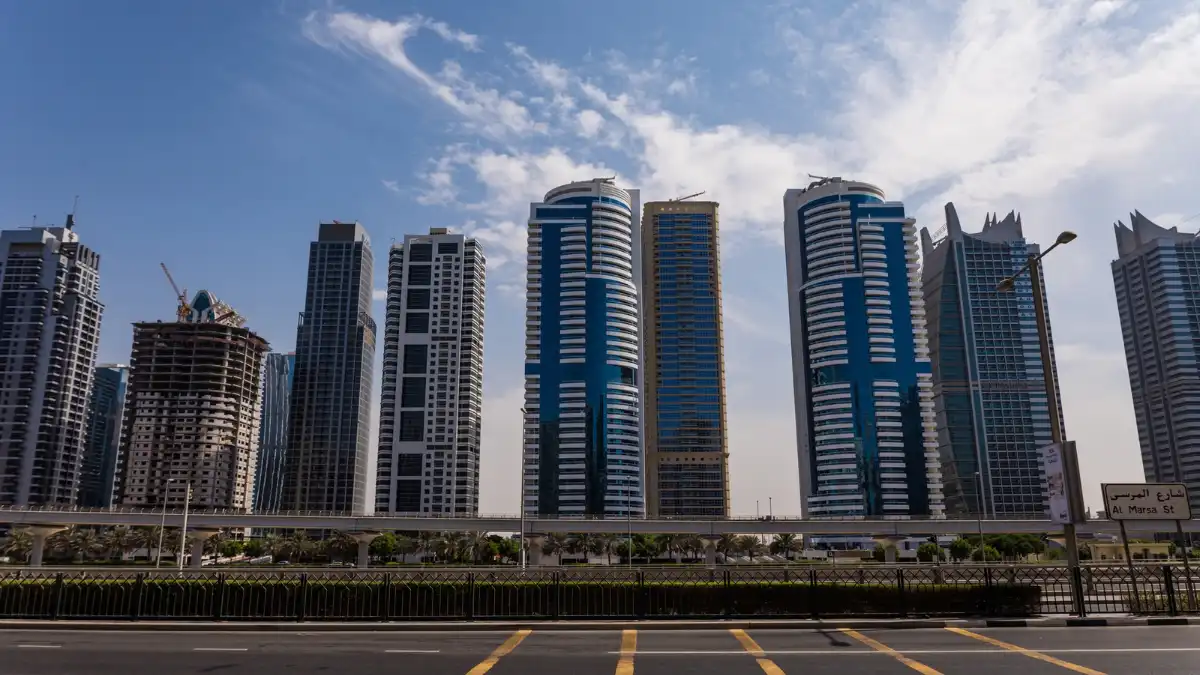
For people, talking about Dubai property, they are mostly talking about apartments and villas. But there’s a backstory to the headlines. The year of commercial real estate is one of the best in its history. Ultra Luxury Research reported the market totalled USD 37 billion for all commercial sales in 2025, the highest ever recorded. Additionally, 2026 has followed suit. It’s because our businesses grow; we need space. There is a shortage of office, warehouse or logistics space and retail units are filling up.
Where the Demand for Commercial Real Estate is Strongest?
Commercial sector is spearheading the way. The office rentals market experienced double digit growth in Dubai in the first quarter, according to JLL’s UAE Office Market report. The office rents segment with Grade B rents increased 23.4 percent year-on-year, which is the fastest growing segment in the whole market. Moreover, the renewal of leases in Dubai increased by 11.2 per cent year-on-year, indicating that existing companies are remaining and expanding.
Flight to quality trend fuels this. The demand for Grade A space in DIFC, Business Bay and One Central are also becoming more popular for businesses. The same report by JLL shows that Dubai’s prime office vacancy rate is only 0.7 percent. That’s a very competitive market. As a result, companies looking for top space are finding themselves in Grade B and driving up rents in the category as well.
There’s a solid logistics and warehousing sector, too. Frequently, areas such as Jebel Ali, Dubai South and Dubai Investment Park are experiencing a steady flow of freight, e-commerce and manufacturing businesses. Warehousing rents in emerging zones rose 12 percent year-on-year, according to Aardys Properties. Moreover, these are not short term leases. Logistics operators typically sign five to ten year agreements, giving landlords stable, predictable income.
Why Supply Cannot Keep Up
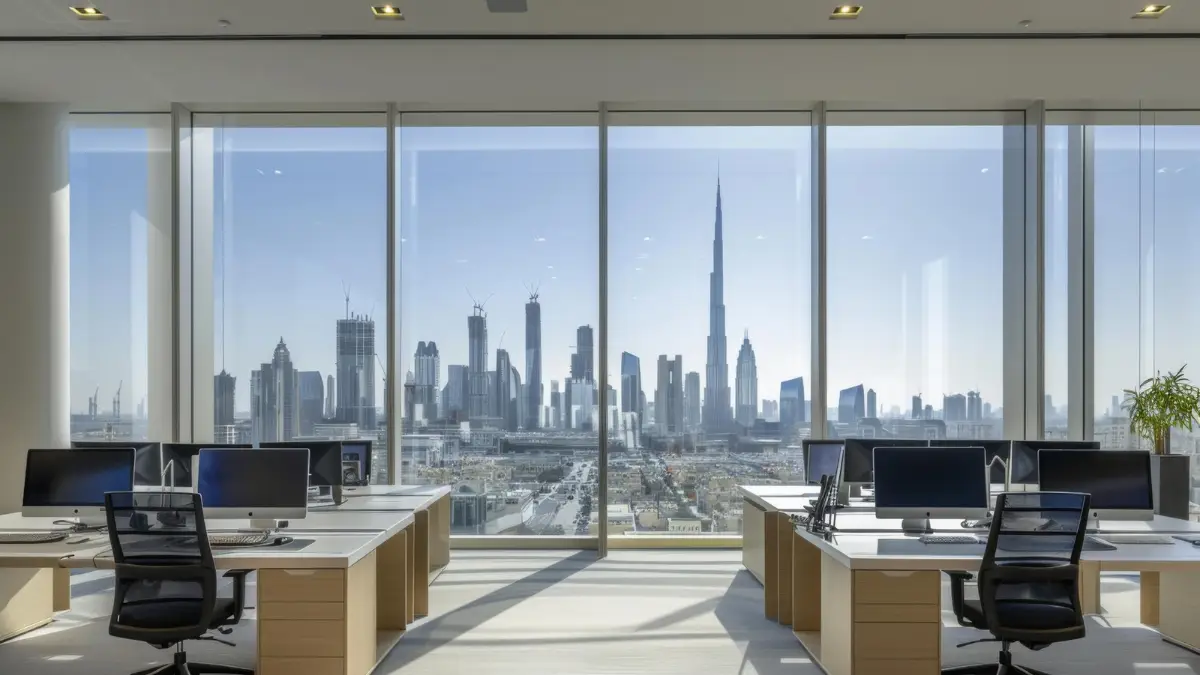
The challenge right now is supply. Dubai’s total office inventory reached 101.1 million square feet in Q1 2026, according to JLL. However, that figure is misleading without context. The pipeline of new quality office stock is not growing fast enough to meet demand. Moreover, construction supply chain pressures have delayed several planned commercial projects. As a result, landlords hold the pricing power. Reports attribute rent increases to a lack of choice for tenants.

According to research by Chainex Real Estate, the average price for prime office property in Business Bay ranges from AED 220 to 290 per square foot, while for prime properties in Downtown, the price range is AED 250 to 350 per square foot. These are significant gains above 2024 levels. For investors holding commercial real estate assets in these districts, the return profile has improved substantially.
Who Is Actually Driving Commercial Real Estate?
The buyers and tenants fuelling commercial real estate are not only local firms. According to Dubai Chamber of Commerce, more than 70,000 new business licences were issued in Dubai in 2025. Each new company needs an address. Many need a physical space. The absorption is driven by international companies establishing regional headquarters, the financial services industry building more operations in the DIFC and technology companies relocating their offices to Dubai Internet City.
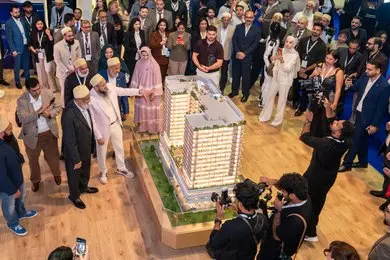
Indeed the Dubai D33 agenda directly addresses the aim to make Dubai’s GDP one of the top four in the world by 2033. That ambition relies on commercial activity at scale. Offices, retail podiums, logistics corridors, and mixed-use hubs are the physical infrastructure where that growth will actually happen. Commercial real estate is not just a property story. It is where the business expansion of an entire city shows up as a square-foot number.