
Buying property in Dubai used to mean one thing. You needed a large amount of capital. You needed a bank, a broker, and months of paperwork. Then you waited. Dubai real estate tokenization is beginning to change that equation in a very practical way.
It will not replace traditional property ownership. However, it is opening a new entry point for investors who want exposure to Dubai’s property market without buying an entire unit.
What Is Dubai Real Estate Tokenization?
The idea is straightforward. Instead of one investor buying an apartment outright, the property is divided into digital tokens. Each token represents a small fractional share of that property. Investors buy as many or as few tokens as they want.
They receive a proportional share of rental income. When the property appreciates in value, so do their tokens. Dubai real estate tokenization effectively turns a physical asset into something that trades more like a financial product.
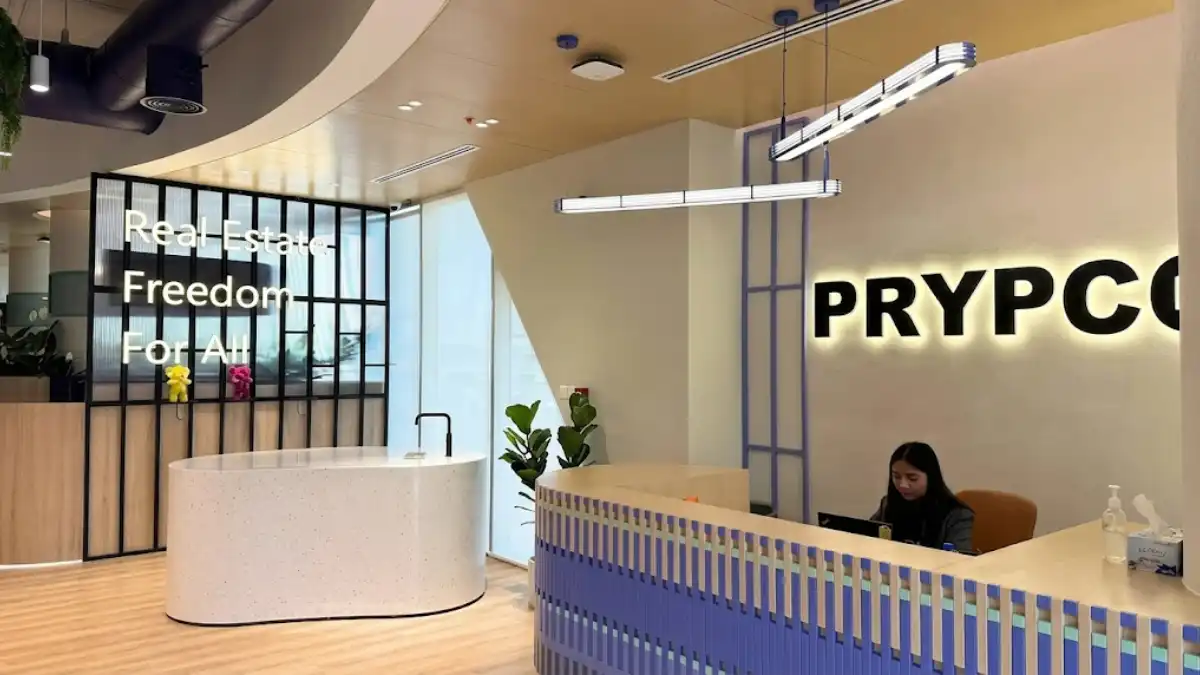
The Dubai Land Department launched MENA’s first tokenized real estate investment project through the Prypco Mint platform, in partnership with Prypco and in collaboration with the Virtual Assets Regulatory Authority, the Central Bank of the UAE, and the Dubai Future Foundation through the Real Estate Sandbox.
The project allows individuals to purchase tokenized shares in ready-to-own properties in Dubai, starting from just AED 2,000, with all transactions carried out in UAE dirhams and no use of cryptocurrencies.
Zayn Sarbazzy, a Dubai-based property investment advisor put it plainly: “Instead of needing the full capital to buy an apartment or any real estate asset, investors can buy organised shares in a real property from a much smaller ticket size. That changes the accessibility of the market,” he said.
“Someone who cannot buy a full apartment may still be able to participate in rental income and potential capital appreciation through fractional ownership.”
How Prypco Mint Works?
The first project launched under the Real Estate Tokenization Initiative attracted 224 investors. 70 percent of those entered Dubai’s real estate market for the first time. Investors represented 44 nationalities, and the average individual investment amounted to AED 10,714.
That data point matters. Seven out of ten buyers in the first listing had never invested in Dubai property before. The price barrier is what kept them out previously. Tokenization removed it.
On February 20, 2026, the Dubai Land Department activated Phase 2 of the Real Estate Tokenization Project. For the first time, investors holding fractional property stakes can buy, sell, and also transfer them on a live secondary market through the Prypco Mint app, 24 hours a day, 7 days a week.
Tokens are linked directly to DLD-registered title deeds and denominated in UAE dirhams. That secondary market is the part that changes the liquidity story. Traditionally, selling a property means finding a buyer, negotiating, transferring ownership, and going through the full sale process.
With Dubai real estate tokenization, a token holder can potentially list their stake and find a buyer in a fraction of the time. However, Zayn Sarbazzy additionally clarified that tokenization may reduce some dependency on traditional brokers but it cannot replace a property investment advisor. “Because advisors understand ground realities, market behavior, risks and what actually works for investors.”
Complexities of Real Estate Tokenization vs. Gold Assets
Tokenized gold has already gone mainstream, giving people access to fractions of gold without the burden of storing physical bars. Dubai real estate tokenization is aiming for the same thing: letting buyers own property and gain exposure, without the hassle of physically managing it.
However, it is tempting to draw a straight comparison between tokenized gold and tokenized property. Both make a traditionally illiquid asset easier to divide and hold. However, the real estate consultant offered an important distinction.
The property investment advisor called gold a more standardized asset. “Real estate depends on location, building quality, developer, tenant demand, service charges, property management, valuation, and liquidity. Tokenization makes access easier, but it does not remove the need for due diligence,” he said.
This is the point that tokenization advocates do not always address clearly enough. A token linked to a well-managed Business Bay apartment in strong demand is a very different investment from a token linked to a poorly managed unit in a lower-demand area. The token does not change the underlying asset quality. The investor still needs to evaluate what they are buying.
As Zayn noted, tokenization could make real estate more accessible in the same way digital gold made gold more accessible. “It is not replacing traditional property ownership, because that will be there forever. But it can create a new entry point for smaller investors who want exposure to real estate, people who want to understand how it works here, in a more flexible and affordable way, just like stocks, just like crypto.”
What Makes Dubai Real Estate Tokenization Real?
The initiative aims to broaden the real estate investor base while enhancing transparency and accelerating transaction processes, aligning with the Dubai Real Estate Strategy 2033 goals and the Dubai Economic Agenda D33.
The regulatory backbone behind Prypco Mint is what separates Dubai real estate tokenization from speculative crypto products. Moreover, what sets Prypco Mint apart is the active involvement of a government agency in formally recognizing and recording token-based ownership.
The title deed records ownership as a Tokenholder with a unique TokenID, directly linked to a digital wallet and visible via both the Prypco Mint interface and the official Dubai REST app.
Tokenized assets are projected to represent up to 7 percent of Dubai’s real estate market by 2033, equating to a value of AED 60 billion. That is a significant target, but it reflects a measured approach.
The 93 percent of Dubai’s market that remains traditional property ownership is not going anywhere. Dubai real estate tokenization is building a parallel layer, not replacing the foundation that has always existed.

Read More: What Shielded Dubai Real Estate from Regional Conflict?