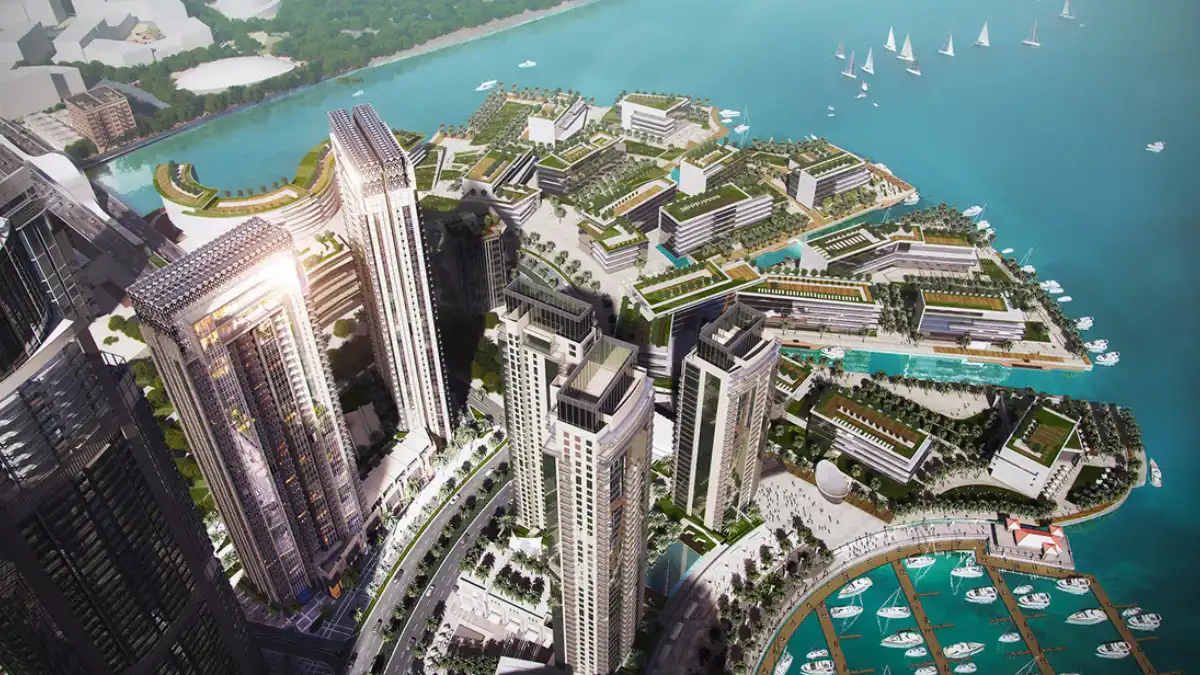
The real estate sector in the United Arab Emirates continues to experience remarkable growth. Investors from across the globe actively flood this vibrant ecosystem with capital. However, capital allocation requires a deep understanding of market segmentation. This comprehensive guide breaks down the core structural divisions within the luxury property market to guide your investment strategy.
The high-end real estate landscape contains distinct tiers based on price per square foot, location, and amenities. Consequently, buyers must evaluate their financial capacity against these specific segments. The market divides neatly into lower-end luxury, midrange luxury, and upper ultra-luxury tiers.
Related Stories
The Entry-Level Tier of the Luxury Property Market
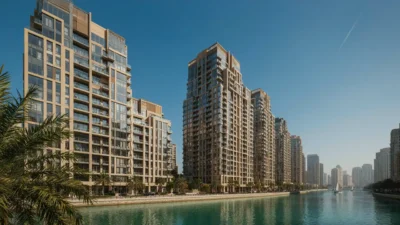
The bottom of the luxury property market is the perfect place for lifestyle buyers and institutional investors to start. Typically the price is in the range of AED 1.5 million to AED 3 million. For example, buyers can easily buy premium one bedroom or two bedroom apartments in the developing high end communities.
Within this price range are excellent deals at places such as Jumeirah Lakes Towers (JLT) and Arjan. In addition, the communities can provide high rental returns as professional expatriates are in constant demand of them. Therefore, entry-level assets provide an excellent balance between capital appreciation and immediate liquidity.
Moreover, developers pack these modern buildings with premium communal infrastructure. Residents routinely enjoy shared infinity pools, state-of-the-art gymnasiums, and dedicated concierge services. In contrast to the ultra-luxury tier, these properties emphasize practical urban luxury over absolute exclusivity. Thus, they represent a highly stable foundation for any growing real estate portfolio.
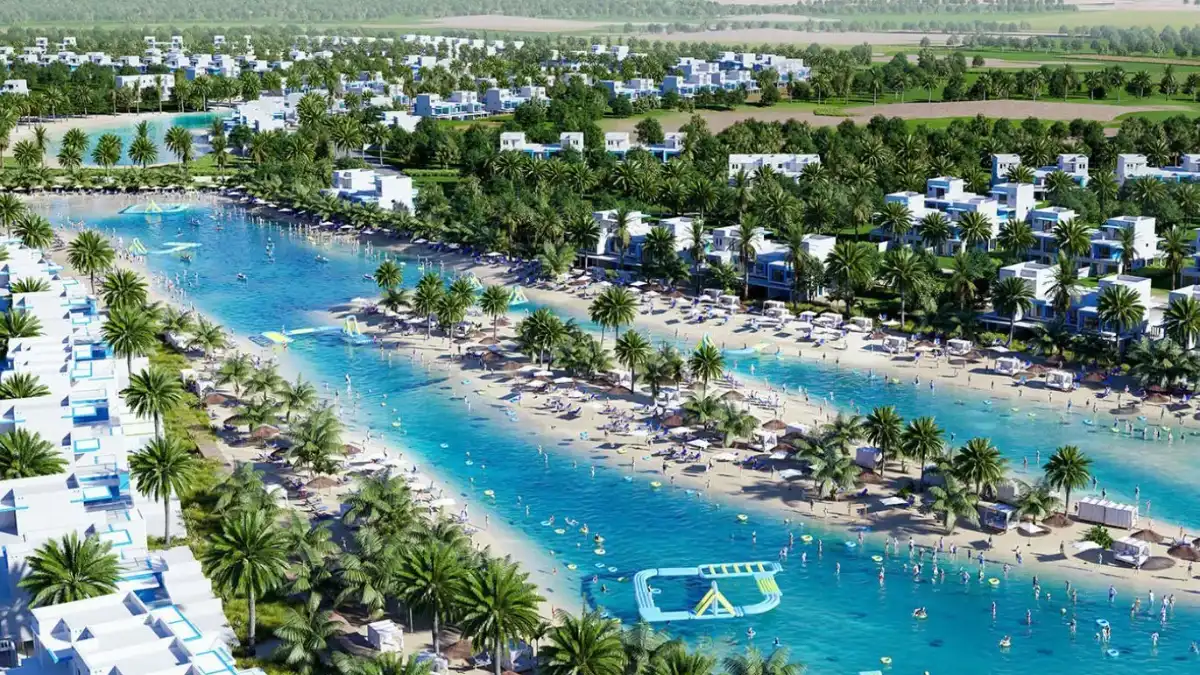
The Midrange Segment Portfolio Options
The midrange segment represents the true engine of the contemporary luxury property market. The transactions in this category are of value ranging between AED 3 million and AED million, in general. In this price range, most of the buyers purchase large three bedroom apartments, townhouses and medium-size family villas.
The segment is occupied by luxurious communities like Dubai Hills Estate and Tilal Al Ghaf. When wealthy families move to the USA and Europe, these master planned developments are often desired as their destination. The properties feature spacious outdoor areas, private gardens and excellent construction.

Furthermore, developer reputation heavily influences pricing trends within this specific category. Premium developers command higher rates because they consistently deliver immaculate architectural finishes. Therefore, investing in midrange assets requires careful analysis of the developer’s historical track record. Ultimately, this segment remains highly resilient because end-users continuously drive organic demand.
Upper Capital Tier of the Luxury Property Market
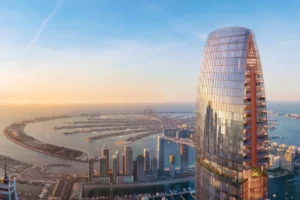
The top end of the luxury real estate market is for the ultra high net worth individuals. Typically properties in this top bracket will exceed AED 15 million and can reach into hundreds of millions. Examples of such staggering individual purchases include those at the Bulgari Lighthouse and Aman Residences in early 2026.
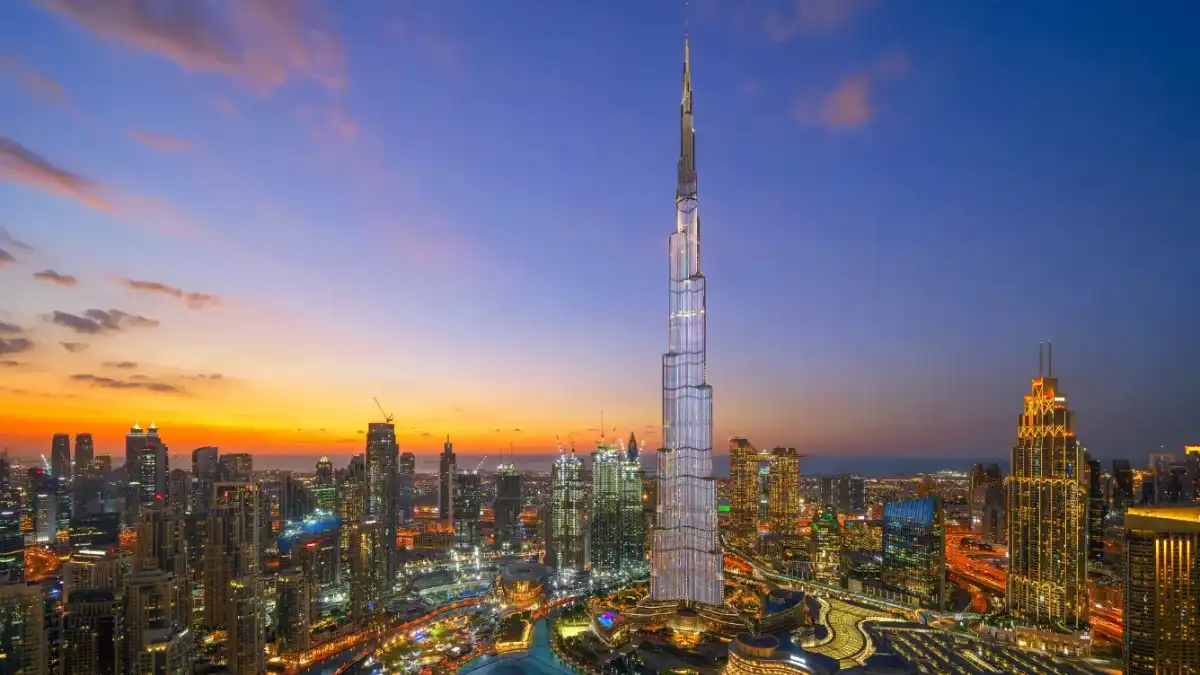
These are classed as ‘ultra-luxury assets’ and are found in prime waterfront locations such as Palm Jumeirah and Downtown Dubai. Beachfront positioning and landmark views are still a rarity, making these ultra-exclusive addresses more expensive. The average price of villas in Palm Jumeirah, for example, is mind-boggling when compared to the area.
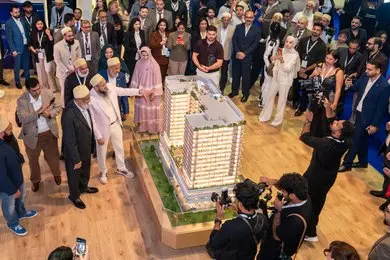
In addition, these branded residences are seen by international clients as safe investments for wealth protection. These top-tier properties feature unrivalled private facilities, such as personal yacht docks, private cinemas and private security services. In fact, the ultra-luxury level functions in a different economical model. Thus, international wealth trends influence this segment far more than local market adjustments.
Strategic Investment Frameworks
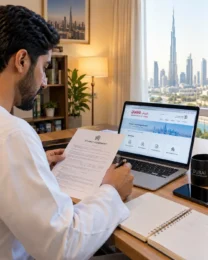
A luxury property broker needs a data-driven approach to the luxury property market. Investors need to match their particular purchasing power to the correct tier to maximize returns. For example, more than 70% of residential transaction volumes in the city are from off-plan properties.
But prospective buyers need to determine the actual price per square foot in various micros, before they invest. A prime coastal district villa will be more expensive, for instance, than an inland villa. As a result, in spite of various factors, it has been found that Geography still plays the most important role in capital appreciation.
In conclusion, the local property market offers versatile options across all three luxury tiers. Understanding these boundaries allows investors to make highly calculated and profitable decisions.
Read More: Will Dubai Luxury Property Market Shut Out Mid-Range Buyers?