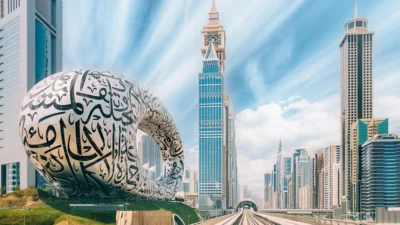

The Dubai startup ecosystem is a rapidly changing landscape with a network that’s geared for quick international expansion. The emirate is the leading startup hub in the UAE, with more than 1,600 active startups, according to StartupBlink.
The government offers incentives to facilitate the establishment of businesses and special free zones provide 0% corporate tax and 100% foreign ownership rights. Venture capital is still investing in local entrepreneurs, providing new business opportunities in technology, logistics and financial engineering.
How the Ecosystem Works
The Dubai startup ecosystem relies on specific law structures. To facilitate the founders’ desire to have a company registered without local sponsor requirements, they gain access to the designated free zones such as Dubai Internet City and Dubai Silicon Oasis, where company registration is allowed to be done in a shorter period. These are more convenient for regulatory compliance and provide contemporary office solutions.
Incubators offer direct mentoring as well as seed funding opportunities. Government platforms like Dubai Future Accelerators bring early-stage enterprises into contact with government bodies to try out new technologies. Meanwhile, the various local regulatory sandboxes allow fintech companies to test their software with less rigid rules and regulations, before introducing regional products.
Funding and Major Opportunities
Capital accessibility remains a central attraction for founders choosing the region. Recent market monitoring by DXBStart recorded over $612 million raised across 35 venture capital deals during the first quarter alone. Investors actively target artificial intelligence, financial technology, and real estate solutions.
Emerging sectors show immense promise as capital concentrates behind proven business models. Food tech, digitized healthcare, and sustainable tech attract larger funding checks to the Dubai startup ecosystem. Additionally, venture capital funds from North America and Europe continue establishing regional headquarters in Dubai, expanding international investment networks for local teams.
Evaluating Long-Term Value
Measuring the true return on investment requires looking at real operational costs alongside growth advantages. High living costs and commercial lease rates demand strict capital management from early-stage teams. Finding specialized engineering talent locally can also present hiring challenges in the Dubai startup ecosystem.
Nevertheless, the strategic geography allows firms to target markets across Europe, Asia, and Africa simultaneously. Tax exemptions and capital repatriation rights protect net revenue streams effectively. For ambitious founders seeking rapid regional expansion, founding a venture within the Dubai startup ecosystem delivers exceptional long-term strategic value.
Read More: New Companies in Dubai 2025 Surge as Dubai International Chamber Drives Growth