
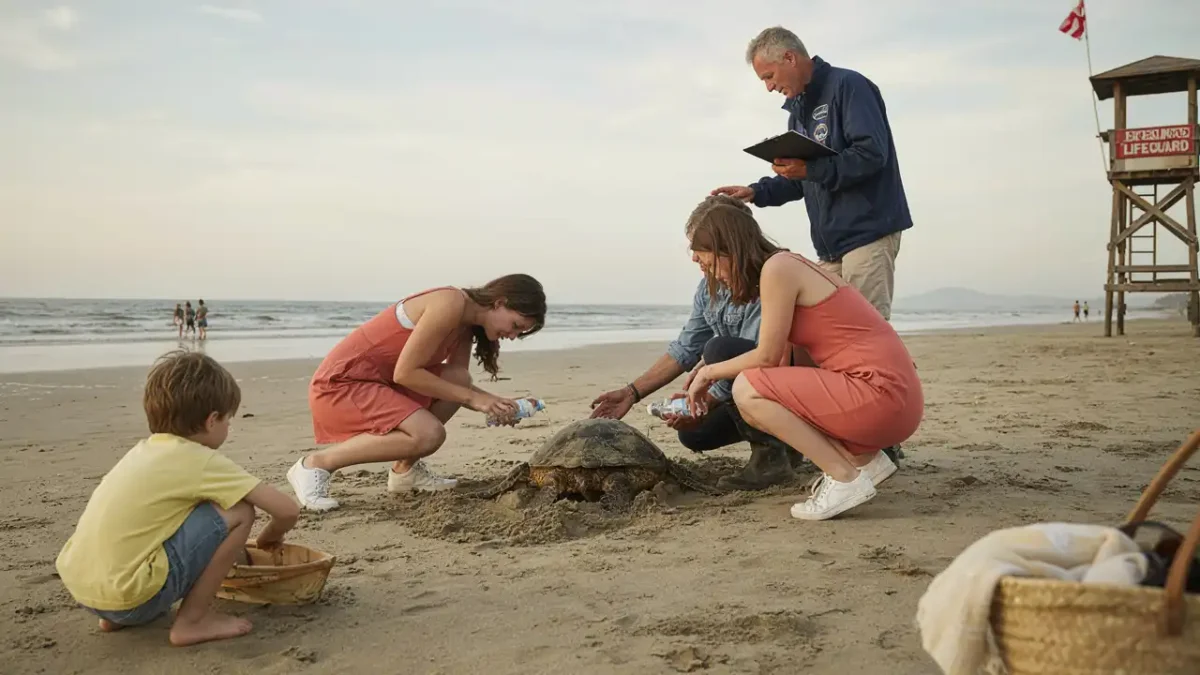
The Abu Dhabi Wildlife Rescue Network brings together government, science, and community. It is designed to give injured animals their best possible chance of survival.
Off the coast of Saadiyat Island recently, something quietly remarkable happened. A group of sea turtles were rescued, treated, and nursed back to health through months of specialised veterinary care. They slipped back into the waters of the Arabian Gulf. Ultimately, it was the kind of moment that does not make noise but carries genuine weight.
Related Stories

It also marked the official launch of the Abu Dhabi Wildlife Rescue Network, an initiative that represents the UAE’s most structured and comprehensive approach yet to protecting the wild creatures that share this landscape.
A Network Built for Speed
The UAE has always been deliberate about conservation. Abu Dhabi’s Environment Agency has been running wildlife rescue programmes since 2016, initially focused on sea turtles before gradually expanding to cover sea snakes, dugongs, dolphins and birds. What existed before was meaningful work. What has now been formalised is a system designed to make that work faster, more coordinated and more consistently effective.
The Abu Dhabi Wildlife Rescue Network functions through an integrated digital platform that manages wildlife emergencies from the first report through to the moment an animal is returned to its natural habitat. When a member of the public, a fisherman or a partner organisation spots an animal in distress, the process begins immediately. A report goes through official channels, including the Abu Dhabi Government Contact Centre on 800 500. A specialised field team is dispatched. Stabilisation happens at the scene when necessary.
Related Stories
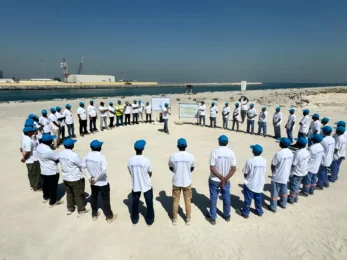
From there, injured animals are transferred to rehabilitation facilities equipped with advanced diagnostic technology, including CT scanners designed for marine animals. Veterinary partners include The National Aquarium and SeaWorld Yas Island.
Once recovered, animals are released. In selected cases, solar-powered tracking devices are fitted before release to monitor their movements and behaviour, generating conservation data that feeds back into future rescue efforts.

Why This Matters Beyond Abu Dhabi
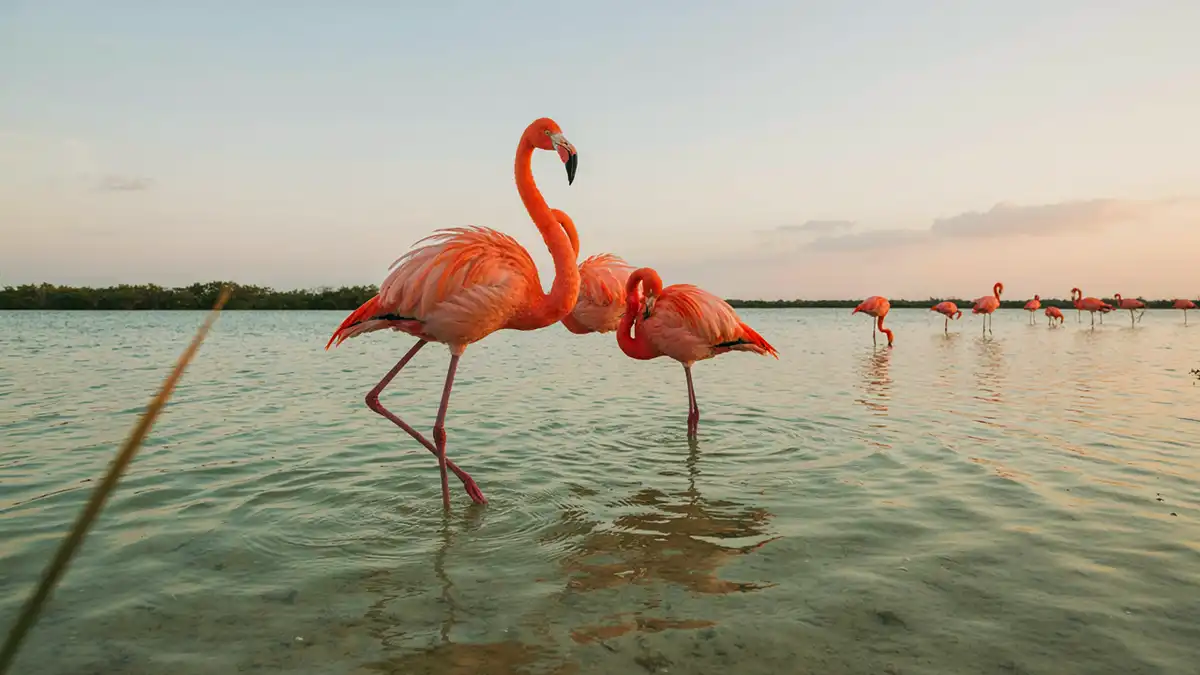
The UAE sits at the intersection of several critical marine ecosystems. The Arabian Gulf, the Gulf of Oman and the coastlines connecting them support populations of sea turtles, dugongs and dolphins that face growing pressure from fishing equipment, marine traffic, temperature changes and habitat disruption.
The UAE has been vocal about its environmental commitments, from hosting COP28 in Dubai in 2023 to the UAE Net Zero 2050 strategy and the more recently updated UAE Biodiversity Strategy 2031. The Wildlife Rescue Network fits directly within that broader ambition, treating wildlife protection not as a peripheral concern but as an active, institutionalised responsibility.
Maitha Al Hameli, Acting Executive Director of the Terrestrial and Marine Biodiversity Sector at the Environment Agency Abu Dhabi, articulated the philosophy behind it. “Protecting wildlife requires a rapid response, in-depth knowledge and close collaboration among all stakeholders. Every successful rescue is the result of cooperation between our teams, partners, experts and members of the community.”

The Community Is Part of the System
One of the more thoughtful elements of the network’s design is how explicitly it incorporates the public.
Beachgoers, fishermen and residents are not positioned as passive bystanders in wildlife emergencies. They are formally recognised as the first line of response, the people most likely to encounter an animal in distress before any official team can be dispatched. Awareness campaigns and training programmes are being developed to strengthen this community layer, ensuring that the network’s reach extends well beyond the institutions directly involved.
Data gathered through every rescue case, every rehabilitation outcome and every post-release tracking record will feed into scientific research and conservation decision-making. The network is designed to improve itself with each case it handles. For a country that has built extraordinary things at extraordinary speed, adding a coordinated wildlife rescue system to that list feels entirely consistent. The turtles swimming back into the Arabian Gulf off Saadiyat Island got there because the system worked. That is what well-designed infrastructure looks like.