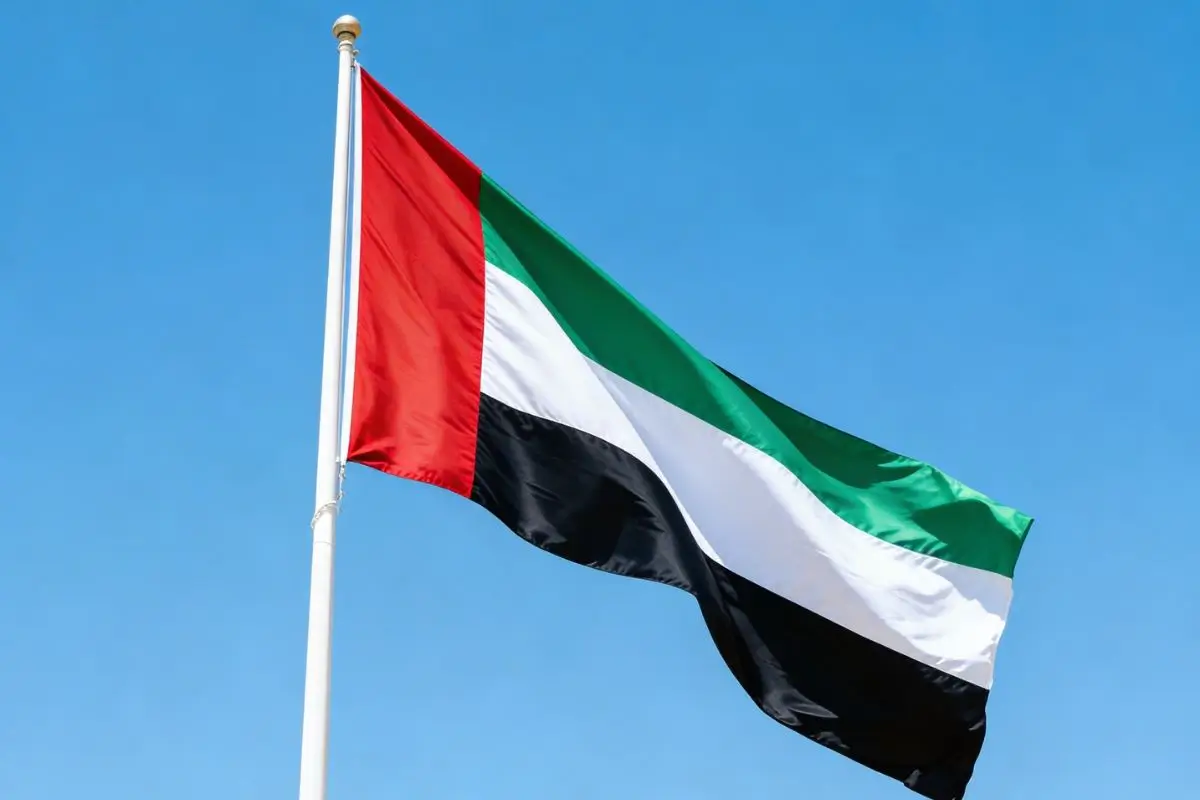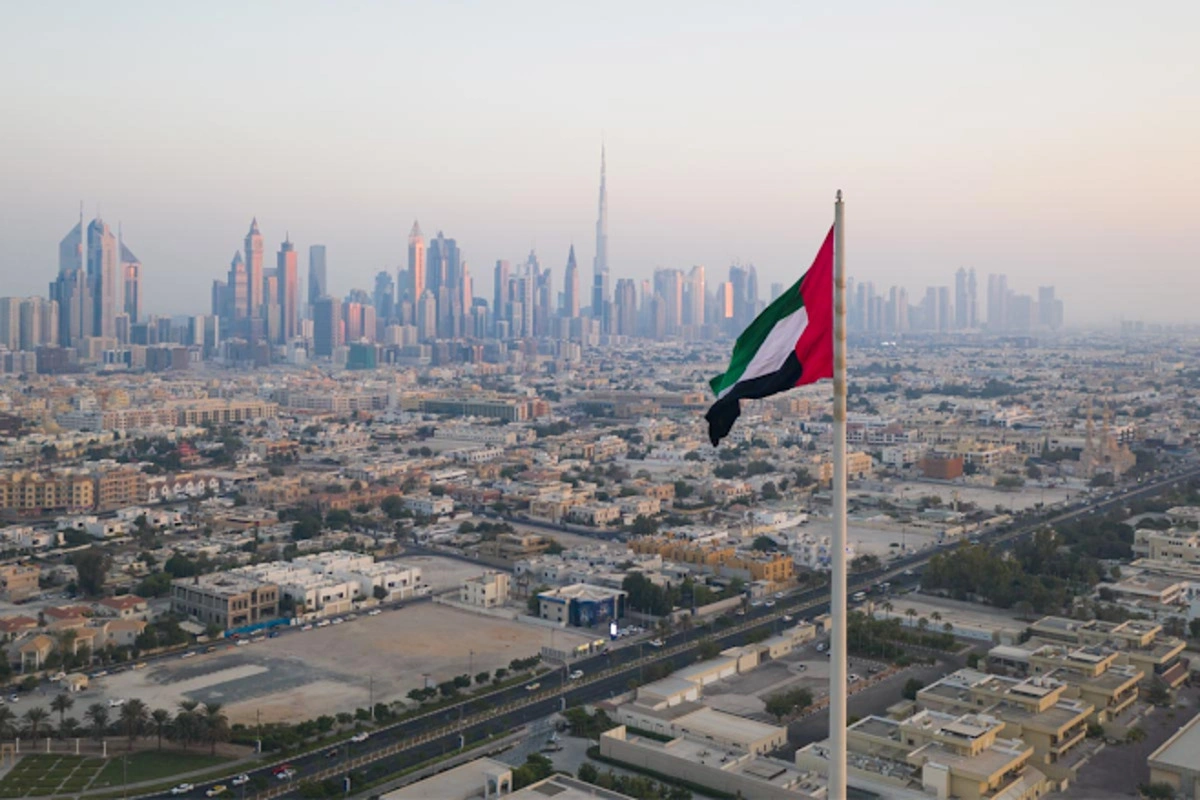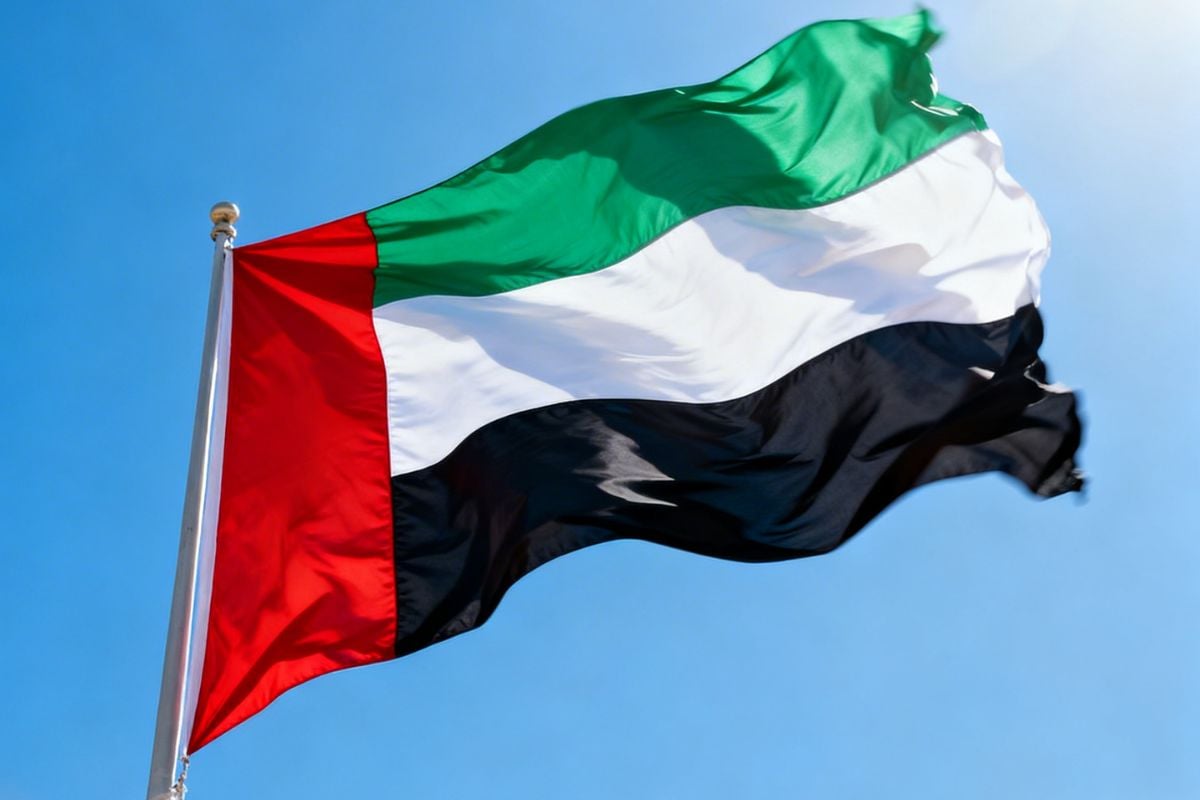
Despite ongoing regional unrest, UAE repeats its defensive posture, stressing sovereignty, maritime security, and stability in the Strait of Hormuz.
UAE’s Defensive Posture
Despite recent speculation about a change in defence strategy during ongoing tensions with Iran, the UAE denies any such change. From an official statement from the Ministry of Foreign Affairs made clear that these reports are misleading and untrue. According to a senior official, assertions differ sharply from actual policy. National sovereignty and protection of citizens is central. Infrastructure security remains prioritized without alteration.


Commitment to Self-Defence and Security
Once again emphasizing caution, the UAE made clear that it may act if struck without cause. Into the fifth week of unrest nearby, air defences in the UAE along with allies GCC nations detect incoming threats daily – intercept ballistic missiles, drones, and cruise missiles fired from Iran. Protection remains central, not provocation, say officials. Though tensions rise slowly, responses stay measured by design.
Strait of Hormuz: A Vital Sea Route
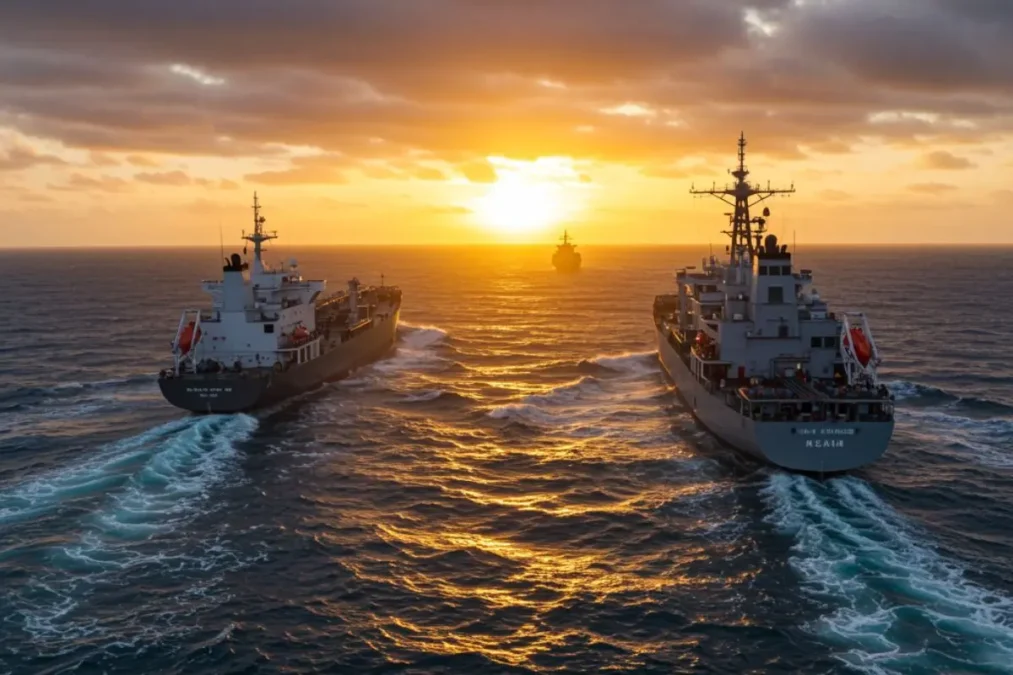
Highlighting the importance of the Strait of Hormuz, the UAE stated that it remains an essential passage for global trade and energy supplies. Through steady readiness, security around the passage holds firm. Broad consensus exists among nations on keeping sea lanes open. Officials note consequences if movement halts even briefly. Economic balance worldwide may tilt from such interference, officials warned.
Support for International Cooperation
Maritime safety remains a priority for the UAE, which stands ready to back unified international initiatives. Still, any involvement follows a strict defensive posture. Alignment with global allies is expected, alongside compliance with established legal frameworks. Actions taken are intended to be proportionate, legitimate, wherever stability in the region is concerned.
Firm Stand Against Coercion
In its ending remarks, the UAE stated firmly that no state should attempt to control or disturb passage through the Strait of Hormuz. While maintaining a consistent defensive posture, protection of this key route was described as essential – safeguarding stability across the region ties directly to global security and uninterrupted trade flows.
Also Read: Sharjah Innovation Park “SPARK” Rolls Out AI Hub for End-to-End AI and Digital Solutions