
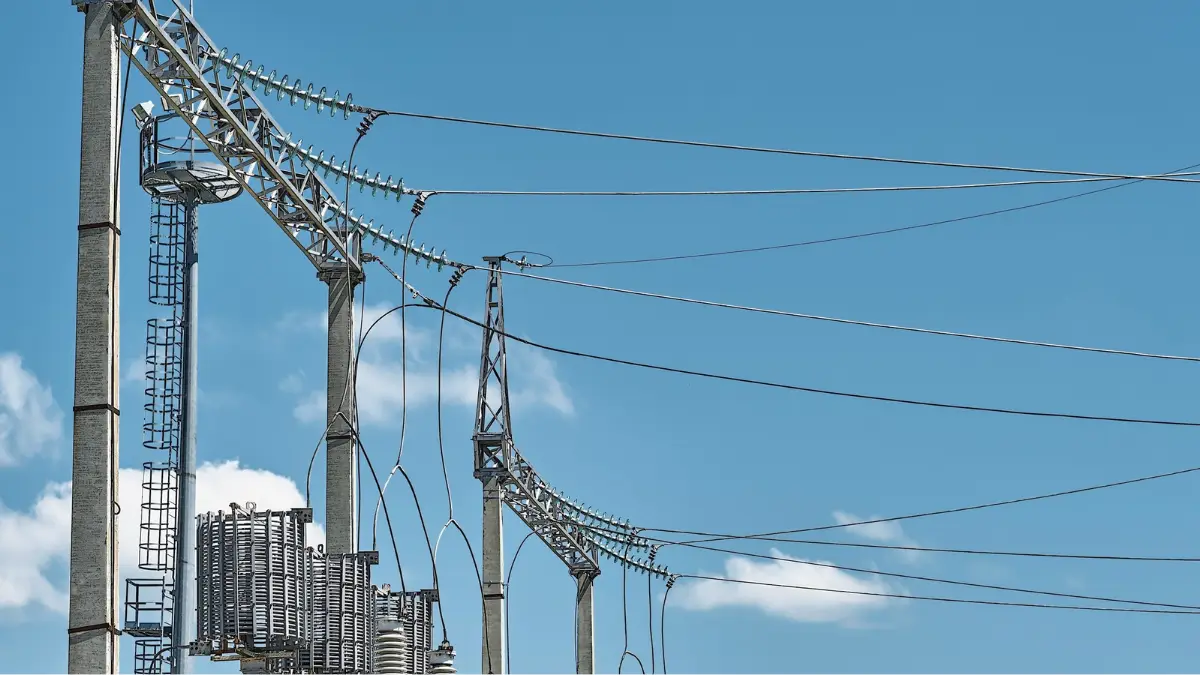
A utility provider’s balance sheet offers a direct lens into the economic pace of a city. According to an official financial report covered by WAM, Dubai Electricity and Water Authority PJSC posted a record net profit of AED 3.33 billion for the first half of 2026, alongside consolidated revenues reaching AED 14.86 billion. This remarkable DEWA’s represents the highest first-half performance in the utility’s history, marking a 15.02 percent year-on-year surge in net profit.
During this six-month period, revenue expanded by 1.8 percent, while operating profit rose 9.08 percent to AED 4.07 billion and EBITDA grew 5.27 percent to AED 7.32 billion. These robust mid-year results follow a stellar full-year 2025 performance, where the company recorded a full-year net profit after tax of AED 9.09 billion according to DEWA.
Related Stories
Examining DEWA’s profit reveals much more than corporate strength. It provides a real-time snapshot of rising power demand, massive grid expansion, and the ongoing clean energy transition across Dubai.
Drivers Behind Financial Metrics
To grasp the key forces that are driving DEWA’s profitability, one needs to examine the emirate’s demand and efficiency, systemically.
Real estate projects, growing commercial areas, and population growth directly increased consumption. This rise affected electricity, water, and district cooling services. In addition, operational efficiency gains resulted in 5.27 percent EBITDA growth, which clearly outpaced total revenue growth. The utility’s underlying infrastructure scale highlights this underlying momentum.
By June 30, installed generation capacity reached 17,979 megawatts, backed by 3,860 megawatts derived strictly from clean energy sources. During the first quarter of the year, clean energy accounted for roughly 18.5 to 19 percent of total power generation. Consequently, higher margins stem from a power grid that has grown structurally larger and significantly cleaner, rather than basic tariff modifications.
Managing operational costs while scaling clean generation capacity ensures sustainable earnings growth across all primary operational sectors.
Expanding Grid Physical infrastructure
Behind every strong earnings statement lies heavy capital investment in physical and digital assets.
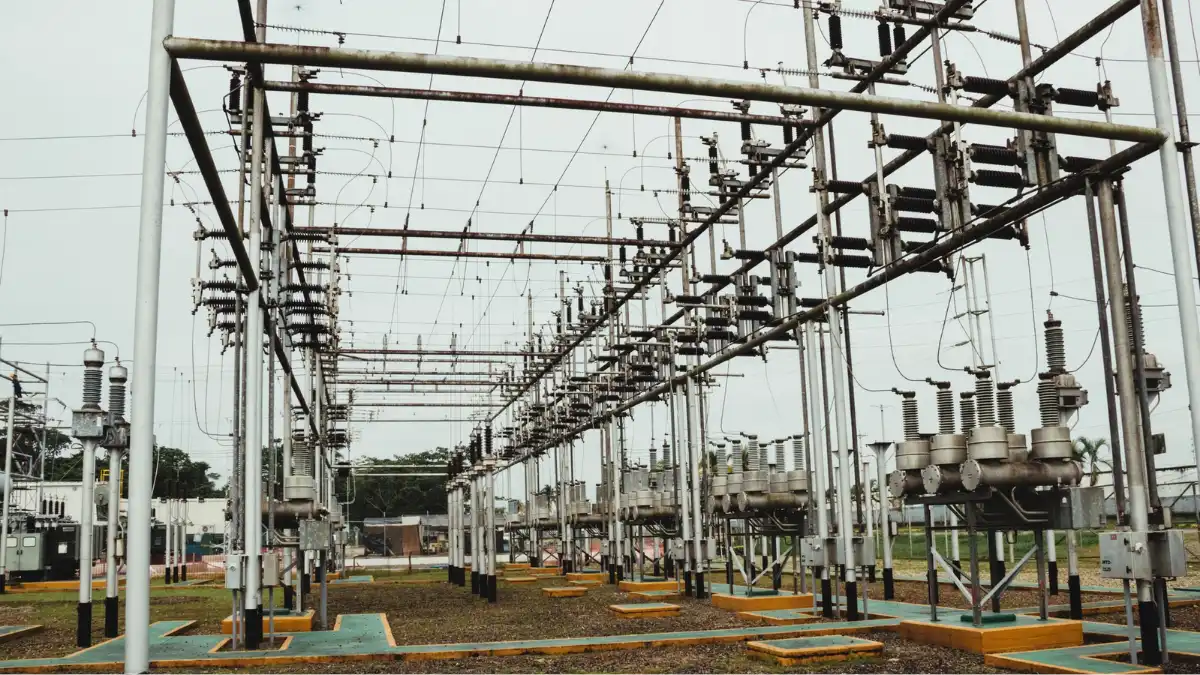
According to official operational updates published on WAM, the organization commissioned 793 new 11kV substations across Dubai in H1 2026. Completing these medium-voltage stations required more than 624,340 man-hours of dedicated field labor under strict quality standards.
This rapid grid expansion directly powers newly developed residential communities, bustling commercial zones, and energy-intensive data centers requiring uninterrupted electricity.
Alongside physical construction, digital transformation initiatives continue to optimize operational capabilities. The utility logged 7.4 million digital interactions in H1, achieving a 99.5 percent customer digital adoption rate. Moreover, over 115 integration projects were completed across 65 public and private entities.
These heavy capital investments and automated processes provide the structural backbone that keeps Dubai’s air conditioning, power grids, and desalination plants operating seamlessly.
Direct Meaning for Residents
Translating corporate balance sheets into everyday life reveals why DEWA’s profit directly impacts everyday residents.
Strong financial health ensures continuous capital reserves for grid upgrades, keeping power outage metrics among the lowest globally. On the service front, comprehensive digital integration allows residents to handle bill payments, account transfers, and real-time consumption tracking effortlessly.
Simultaneously, expanding solar production guarantees a cleaner, low-carbon electricity supply for every home. For local retail investors holding shares, robust earnings generate reliable cash returns. April 2026 saw a AED 3.1 billion dividend payout for H2 2025. Additionally, the board expects a second AED 3.1 billion distribution in October 2026 for H1 2026, pending approvals.
While record earnings do not automatically lower consumer utility rates, they provide essential financial stability to fund future infrastructure expansions without risking service disruptions.
Advancing Clean Energy Goals
The ongoing profit of companies is directly linked to national environmental goals. Record performance benchmarks are based on unprecedented power generation, clean energy production and desalinated water output in the historic 2025.
The 3,860 MW of clean energy capacity ensures alignment with the Dubai Clean Energy Strategy 2050. A strong financial headroom is provided through strong retained earnings for large-scale solar parks, green hydrogen plants, thermal storage, and advanced sea-water desalination units.
The financial stability of such a utility with a growing green generation portfolio will add value to the international credibility and brand value of a global city that markets itself as an innovative and eco-friendly commercial hub.
Investor Confidence and Markets
Viewing financial disclosures through a capital market lens highlights why DEWA’s profit remains pivotal on the Dubai Financial Market. Listed as a flagship public enterprise, the utility represents a defensive, highly stable stock backed by predictable cash flows and fixed dividend policies.
Achieving record H1 net profits right after record 2025 annual results restores strong confidence among domestic institutional investors and foreign fund managers. In utility markets, consistent earnings growth, disciplined capital management, and steady dividend yields provide essential stability to regional stock exchanges.
This financial predictability continues to attract international capital into Dubai’s maturing financial ecosystem.
Essential Urban Economic Barometer
So the profits of DEWA can be used as a good economic indicator of Dubai’s future. Rising electricity consumption is linked to growing population, surging real estate market, and rapid industrial growth.
A healthy utility balance sheet is a testament to the city’s underlying infrastructure’s capabilities, both digitally and financially, and confirms that the city is fully equipped to support continuous urban growth.
Read More: Dubai’s Water Demand Is Breaking Records, Can DEWA Keep Up?