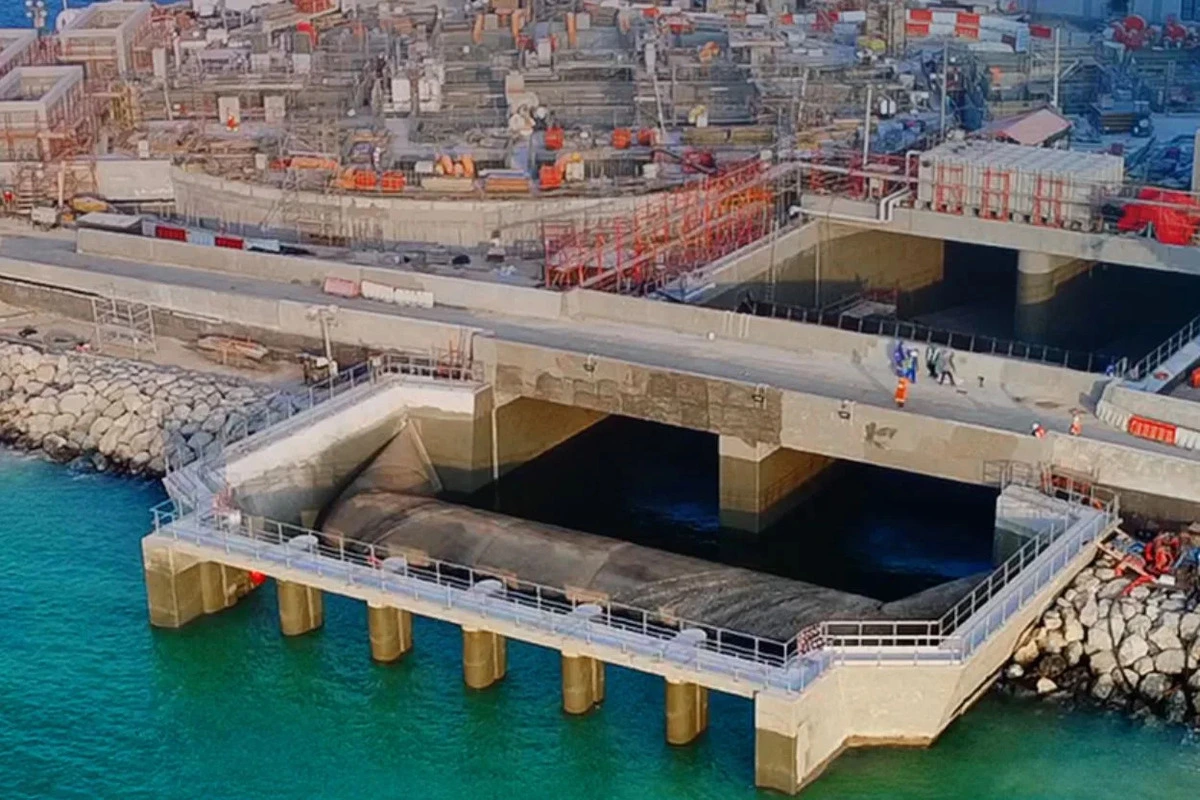
Dubai- UAE: Dh2.5 billion of contracts have been granted by the Dubai Municipality through Phase Two of its landmark stormwater drainage project, a project part of the long-term Tasreef Programme to future-proof the emirate against the risk of floods and facilitate the rapid development of urban areas. It is a follow-up package of infrastructure projects that further extends the prior contracts granted in 2025, and is an indication of the proactive approach of Dubai to strengthen its drainage capacity as a part of broader climate adaptation and sustainability objectives.
Perspective Investment In Urban Resilience
Essentially, the new contract awards five new stormwater drainage projects of an estimated 430 million square metres and to safeguard potential populations of three million people in 30 key areas by the year 2040.
According to the officials, the magnitude and size of such works under the Tasreef Programme of the emirate are created to increase, absorb and improve the system of stormwater infrastructures in Dubai so that the current and upcoming needs are satisfied. It is not only focusing its attention on the conventional drainage lines but a network that will enhance the capacity of the city to manage heavy rainfall, urban run-off, and new climate issues.
What Phase Two Entails
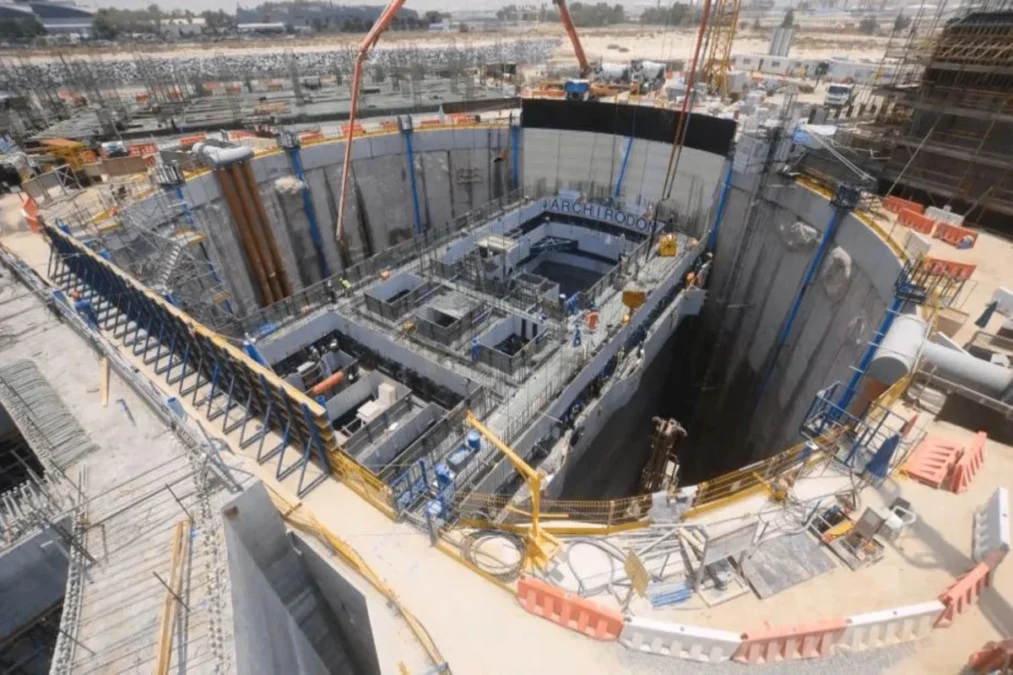
The agreement between DeTech Contracting and China State Construction Engineering Corporation on the execution and design of important storm water drainage infrastructure are among the additional contracts visited by Dubai Municipality under the newest round of contract awarding.
The main aspects of the programme are:
- a primary stormwater drainage tunnel of a diameter up to four metres to connect communities and primary drainage routes.
- Construction of a combined stormwater drainage system spanning a total of over 27 kilometres along the major arterial roads such as the Sheikh Zayed Road and the Al Jamayel Road.
- Development of state-of-the-art systems in hinterland areas like a pumping station on Dubai-Al Ain Road and strategic stormwater collection lakes to enhance water control and release.
- Combined storm water and ground water drainage network design contracts between Al Marmoom and Saih Al Salam and the main network.
These works are supposed to maximize the stormwater drainage, improve flexibility in operation and sustainability of urban growth and minimise the water pools and the risks involved. The package includes three contracts for projects to be executed and two contracts for the study and design of stormwater drainage systems in the selected areas.
Wider Background: A Climate-Ready, Multi-Phase Plan
The new contracts, which are the result of the award, are the continuation of the previous stages of the Tasreef Programme. On April 2025, the Dubai Municipality announced a series of contracts valued at approximately Dh1.439 billion on four large stormwater drainage projects to expand the network further on such strategic areas like Nad Al Hamar, Dubai International Airport environment, Al Garhoud, Jumeirah, Al Quoz, Zabeel, Al Wasl and Al Badaa.
The Tasreef Programme is estimated to cost a total of Dh30 billion in investment, and thus, is among the most extensive integrated stormwater infrastructure projects in Dubai. This massive scheme, according to the municipal authorities, will eventually increase the drainage by a factor of up to 700% and be scalable and resilient over the next century, increasing the capacity to manage floods, minimizing the cost of some operations and the quality of service offered to both the residents and businesspeople.
The Importance Of Stormwater Drainage Today
The prioritization of Dubai to improve the stormwater drainage network is the result of the historic occurrences of rain and growing awareness about the significance of climate variability on the urban environment. Enhancing the stormwater systems is important not so as to avoid the flooding but to make them sustainable in the long run as the city continues to expand. The objective of developing Dubai, as a world example in urban water resilience will promote a better quality of life, foster the sustainability of the economy, and ensure the use of a staged progressive planning strategy.
Authorities working with the Tasreef Programme like Marwan Ahmed bin Ghalita, Director General of Dubai Municipality and Adel Al Marzouqi, CEO of the waste and Sewerage Agency at Dubai Municipality, refer to the project as not just a group of construction projects, but a system of future-proofed governance that takes into account the reduction of risks, the preservation of the environment, and the excellence of infrastructure. Having an integrated stormwater drainage system in its center, Dubai is setting itself up to deal with climate changes, ensure security of essential infrastructure and make the urban environment safer and more resilient over decades to come.