
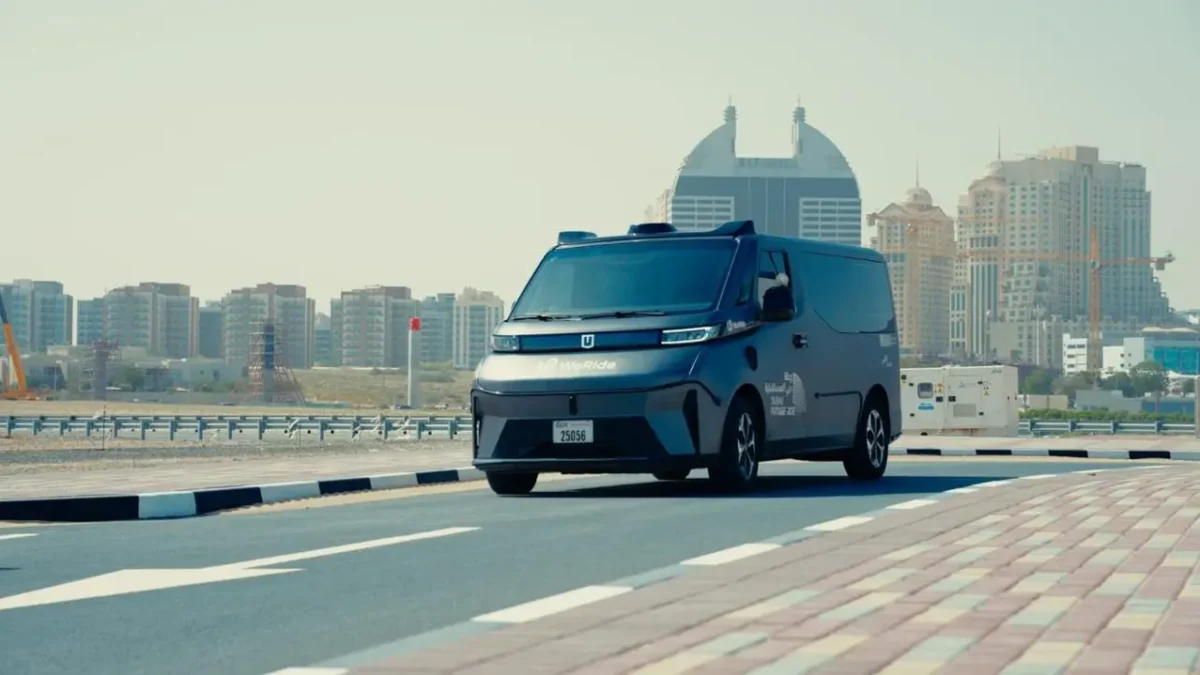
Dubai Mobility Labs opens at Dubai Silicon Oasis, giving autonomous vehicle companies a place to test 248 scenarios before putting their technology on real roads and bringing Dubai’s 25% self-driving target within serious reach.
For years, the idea of self-driving cars cruising through Dubai has felt like a vision slide in a government presentatio compelling, futuristic and comfortably distant. That distance just got considerably shorter.
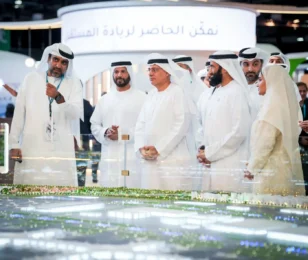
Dubai’s Roads and Transport Authority and the Dubai Integrated Economic Zones Authority have jointly inaugurated Dubai Mobility Labs at Dubai Silicon Oasis, the most advanced autonomous vehicle testing facility in the Middle East, designed to take self-driving technology from the lab to the road in the most rigorous and systematic way any city in this region has attempted.
The target is not vague. By 2030, Dubai wants 25 percent of all mobility journeys in the emirate to be made through autonomous vehicles. That is four years away. And Dubai Mobility Labs is the infrastructure that makes that deadline credible rather than aspirational.
What Dubai Mobility Labs Actually Is
Strip away the press release language and what Dubai has built is essentially the most demanding obstacle course a self-driving car can face before it ever encounters a real commuter.
The facility combines dedicated test tracks with a multi-purpose testing area that simulates an enormous range of urban traffic conditions, connected to real-world testing routes that extend from Dubai Silicon Oasis to Al Qudra. This combination,controlled environment plus actual public roads is what makes the Labs genuinely significant rather than simply impressive on paper.
The number to hold onto is 248. That is how many distinct test scenarios the facility can run autonomous vehicles through. Of those, 195 sit within the multi-purpose area alone,143 built into the core design of the facility and a further 52 added through design enhancements that expanded what the proving ground can simulate. The remaining scenarios take place on real public roads, where the variables are considerably less predictable.
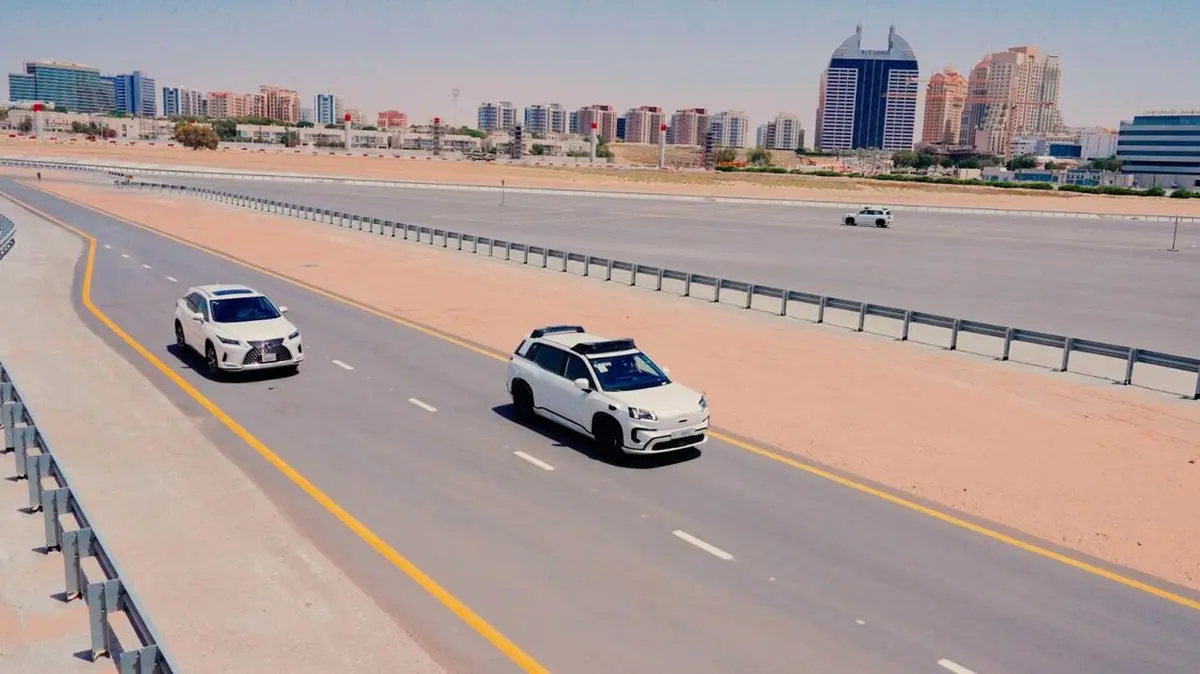
These scenarios cover the full spectrum of what self-driving technology actually needs to handle in an urban environment sensing and decision-making systems, interactions with pedestrians, cyclists and other drivers, responses to changing road conditions and unexpected obstacles. Every variable a human driver encounters intuitively has to be understood, processed and responded to correctly by an autonomous system and Dubai Mobility Labs is the place where that competence gets verified before any of it happens at speed on Sheikh Zayed Road.
The Companies Already Using It
The facility is not a concept. It is already operational, and it has already hosted trials from some of the most advanced autonomous vehicle companies in the world.
WeRide, Pony.ai and Tesla have all conducted testing at Dubai Mobility Labs, three companies at very different stages of autonomous vehicle development but all serious enough about their technology to want it validated in this environment. The presence of these names is not just a marketing point. It signals that the facility meets the technical standards that global companies operating at the frontier of autonomous mobility actually require.
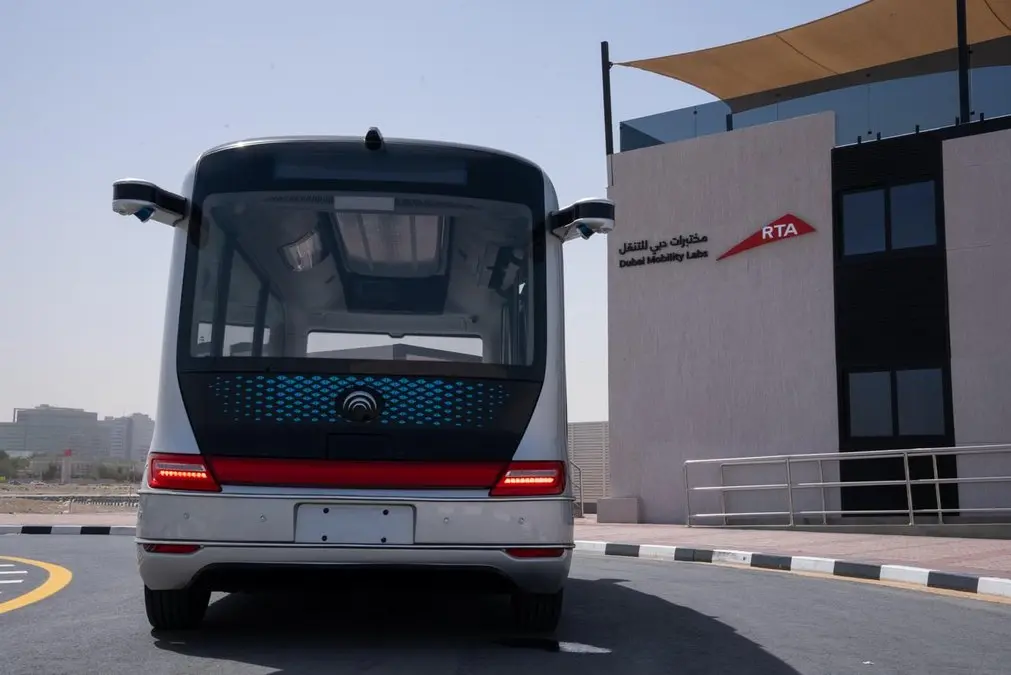
RTA has appointed DEKRA, a German technical services organisation with extensive experience in vehicle testing and certification to operate the Labs for the first three years. DEKRA’s involvement brings international credibility to the results generated here, which matters enormously when companies are using test outcomes to make decisions about commercial deployment.
Why This Changes the Equation for Dubai’s Roads
The challenge with autonomous vehicle technology has never been the technology itself in isolation. The challenge has always been the gap between a system performing well in controlled conditions and a system performing reliably in the full complexity of real urban environments.
Most cities that have attempted to accelerate autonomous vehicle adoption have struggled with exactly this gap. The testing infrastructure either does not exist, or it exists but is not connected to real-world deployment pathways in any meaningful way. Companies test in isolation, results are not standardised, and the journey from successful trial to actual commercial operation takes years longer than it should.
Dubai Mobility Labs is specifically designed to collapse that gap. By integrating controlled testing with public road trials in a single continuous pathway and by appointing an internationally recognised operator to manage the process,RTA has created something that is not just a testing ground but an accelerator. The pathway from development to certification to commercial deployment becomes faster, more structured and more internationally credible.

His Excellency Mattar Al Tayer, Director General and Chairman of the Board of Executive Directors of RTA, described the vision precisely. The Labs provide strategic infrastructure for testing the latest mobility technologies in both controlled and real-world environments, verifying their safety and efficiency before deployment on public roads. More significantly, he positioned the project not just as a testing facility but as an ecosystem one that brings together vehicle manufacturers, technology developers, start-ups, research institutions and regulatory authorities in one place.
What This Means for Dubai Silicon Oasis and the Wider Economy
The location of Dubai Mobility Labs is deliberate and worth noting. Dubai Silicon Oasi the specialised economic zone for knowledge and innovation under the Dubai Integrated Economic Zones Authority provides the regulatory and infrastructure environment that autonomous mobility companies need around them, not just under their wheels.
His Excellency Dr Mohammed Al Zarooni, Executive Chairman of DIEZ, connected the facility directly to the Dubai Economic Agenda D33, which aims to build a globally competitive, knowledge and innovation-driven economy. The Labs, in his framing, are not just transport infrastructure they are economic infrastructure, designed to attract global investment, specialised talent and technology companies to Dubai.
The commercial logic is compelling. A company developing autonomous mobility technology needs somewhere to test it that is credible, comprehensive and connected to a real deployment environment. Dubai Mobility Labs offers all three. Companies that come to test here can potentially deploy here, and from here reach regional and global markets. That is a value proposition that competes with the most advanced testing environments anywhere in the world.
The Road to 2030
Dubai’s 25 percent autonomous mobility target by 2030 is ambitious by any global standard. For context, most developed cities are still in early pilot phases of autonomous vehicle deployment, with full commercial operation still years away. Dubai is aiming to have one in four journeys made autonomously within four years.
The infrastructure now exists to pursue that target seriously. What comes next is the harder work, attracting more companies to test here, generating the data needed to build confidence in the technology’s safety, developing the regulatory frameworks that allow commercial autonomous vehicle operation at scale, and building the public understanding needed for residents to actually choose autonomous transport when it becomes available.
Dubai Mobility Labs does not complete that journey. But it makes it possible to begin.