
Dubai property market entered 2026 with extraordinary momentum. In 2025, more than 270,000 properties changed hands. Total transaction value reached AED 917 billion. It was the fifth consecutive record year. Then February 28 arrived, and the war began. Within weeks, the numbers started telling a different story. Understanding what those numbers actually mean requires separating the temporary from the structural. The Dubai property market correction is real. However, it is not a collapse. The distinction matters enormously for buyers, sellers, and investors making decisions right now.
What the Data Actually Shows
The most closely watched indicator of market health is the ValuStrat Price Index. The March 2026 VPI dropped 5.9 percent to 229.2 points. This was the first monthly decline since the post-pandemic recovery started. Villa prices dropped 5.8 percent. Over the same period, apartment values fell 6.3 percent. Within specific communities, Arabian Ranches Phase 2 posted the largest drop of 11.5 percent and Dubai Hills Estate of 10.8 percent month-on-month. They’re both highly investor-driven communities with sentiment being a key determinant of prices.

But the year-on-year trend is still positive. The values are still 8.9 percent higher than in March 2025. AGBI reported sales volumes fell around 30 percent in March from February. It’s a dramatic turnaround. It did come after two of the strongest months in Dubai property history, though. Even before the war put a halt to it, January and February, 2026, were record setting. In part, the steep pullback in March was due to an unusually high base from which to pull back on the previous months.
Rents also softened. According to Property Finder data cited by Gulf Business, average rents across the UAE fell 5.4 per cent from January to April 2026, with rents in Dubai falling 6.7 per cent over the same period. The decline was the highest in the residential sector which fell around 7 percent from AED 120,000 to AED 111,600. However, the weakening occurs in specific areas. Apartment-heavy, mid-market communities are feeling the most pressure. Premium and villa communities are holding up considerably better.

The Distress Selling Question
Distress listings circulating on real estate agent WhatsApp groups show discounts of 10 to 50 percent on some off-plan units, with adverts offering urgent sales below original prices ahead of Q4 2026 handovers, according to AGBI’s reporting. This is real pressure affecting a specific segment: investors who bought multiple off-plan units to flip before completion, and are now unable to find buyers at their target prices.
However, this is not the dominant story across the market. A Christie’s International Real Estate Dubai survey found that only 5.8 percent of respondents were actively selling. None were willing to significantly reduce asking prices to close a deal, according to Totality Estates reporting on the survey data. Most property owners entered this period sitting on substantial gains from the post-pandemic run-up. They have no financial pressure to sell at a loss. The result is a standoff between buyer expectations of discounts and seller resistance to significant price reductions.
Real estate veteran Mario Volpi described the current environment plainly. “Buyers, especially investors, are less risk-averse and looking for answers and clarity surrounding travel, tourism, supply chains and the wider economy,” he told The National. “People want something they can understand and rely on”. That is a market adjusting, not a market breaking.
Dubai Property Market: The Resilience
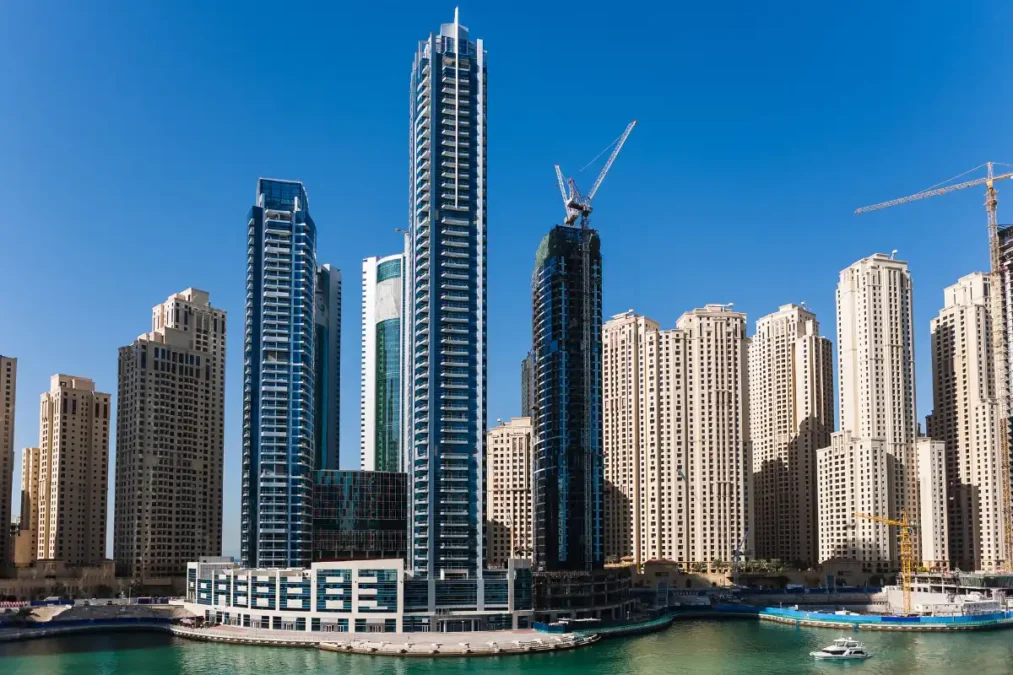
Not every segment of the Dubai property market correction is moving in the same direction. Cavendish Maxwell data shows that in Q1 2026, residential sales increased in both value and volume by 21.5 percent and 4.6 percent, respectively, compared to the same quarter the previous year, with a total value of AED 139.1 billion transacted across 44,200 transactions. Of the 100 percent of the transactions, 73 percent were off-plan. Over 32,300 off-plan units were sold worth AED 105.5 billion, which is almost 35 percent higher than Q1 2025.
Luxury continued to be robust. Homes in the AED 20 million to AED 50 million price segment had 740 transactions valued at AED 28.2 billion in Q1 and increased by over 25 percent compared to the same period last year. The areas of Palm Jumeirah, Emirates Hills, Al Wasl and Mohammed Bin Rashid City remained active in terms of re-sales, with little consideration for discount. These communities have structural undersupply in ultra-prime segments which shields them from the sentiment-driven correction playing out in the mid-market segments.
Rental yields are competitive around the world. The rental yield of apartments in Q1 2026 averaged 7.2 percent, while International City Phase 2, International City Phase 1 and Downtown Jebel Ali had the best returns. The average Villa and townhouse yield was 5 percent. These figures are still good for income investors compared with other major global cities.
Dubai Property Market: Path Forward
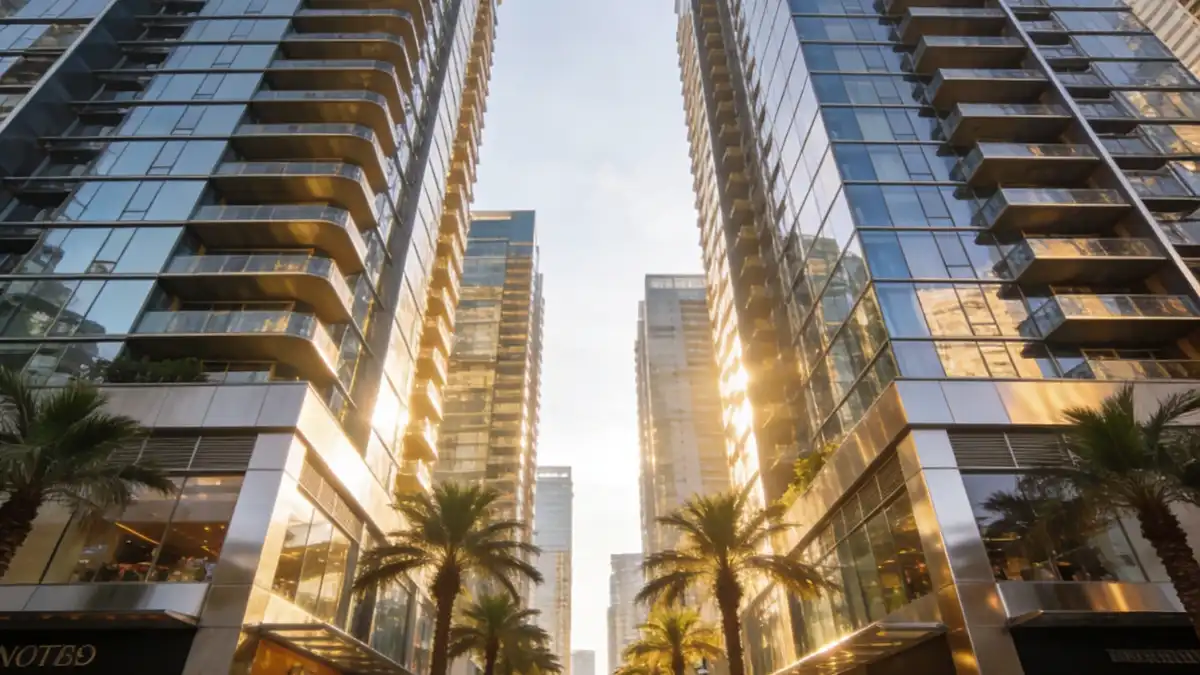
The path forward depends on two variables that Dubai cannot control. The first is the duration of the regional conflict. Citi analysts warned that the war poses considerable risk to Dubai’s population growth, forecasting expansion of only 1 percent this year, down from approximately 4 percent in recent years. Population growth is the single most important structural driver of both sales and rental demand. A sustained slowdown in migration would pressure both.
The second variable is the supply wave. As many as 80,000 off-plan units are scheduled for handover in 2026, the majority being apartments. New supply in a period of softening demand creates pricing pressure, particularly in mid-market apartment communities already facing the sharpest corrections. Citi described the war as posing risk to Dubai’s population growth with forecasts of 2.5 percent annual expansion through 2031, significantly below the 4 percent rate that supported the previous bull market.
However, the fundamentals underneath the short-term noise remain sound. Gross rental yields on apartments reached 7.1 percent in March against a price-to-rent ratio of 15.63 years, according to the REIDIN residential price index. Investors with strong fundamentals and long time horizons are not leaving Dubai. They are selecting more carefully within it.
That selective, disciplined demand is what stabilises a market under pressure. It does not prevent a correction. It prevents a collapse. The Dubai property market correction of early 2026 is real, measurable, and ongoing. It is also, by every structural indicator currently available, survivable.
Read More: UAE Remittance Inflow Tops Jordan’s $1 Billion Corridor