From a championship golf club in Dubai South to an indoor arena in Al Quoz, UAE’s sports infrastructure is expanding. This growth goes well beyond simple facilities.
It supports multi-use venues, training hubs, and community programs. Dubai sports 2026 showcases this trend by linking schools, clubs, and fans. Together, these venues stimulate local jobs, tourism, and grassroots participation. The overall effect is a more vibrant economy and a broader base of sports fans. There is a particular moment in the development of any great sporting city. When the accumulation of infrastructure stops feeling like announcements, it becomes a vision becoming real. What is happening now is the next stage. It is filling in the gaps, raising the standards. It is building for the permanent resident rather than just the seasonal visitor.
Related Stories

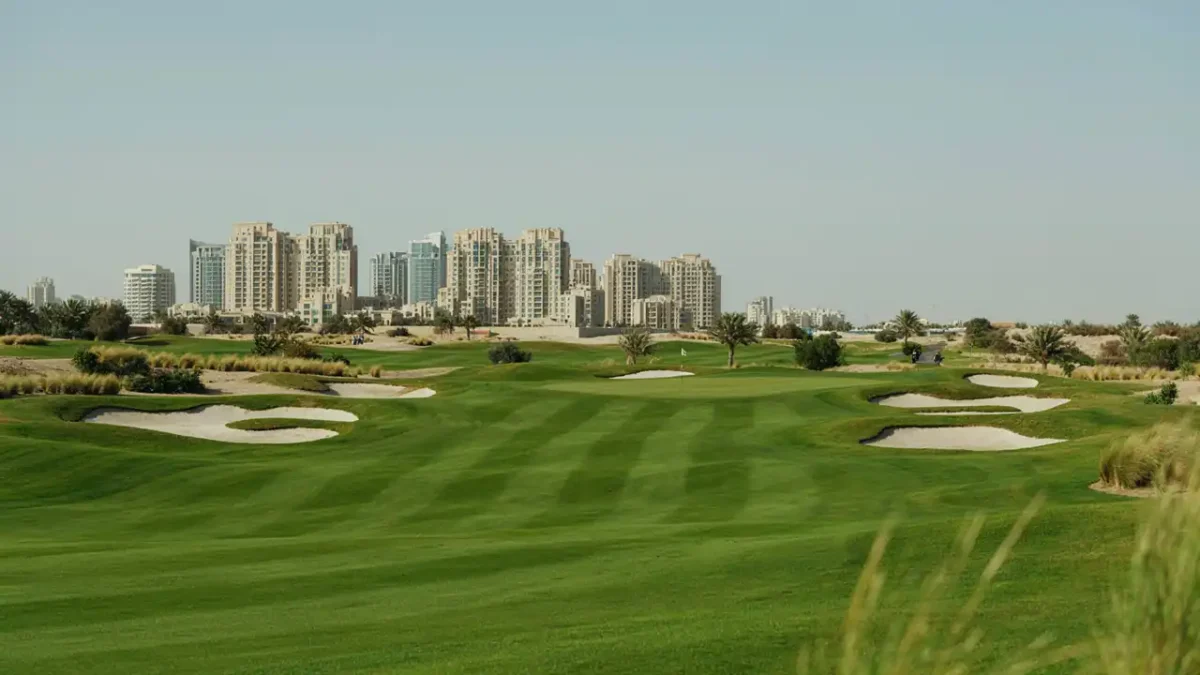
Emaar South Golf Club is the latest piece of that picture.
Set to open in Q4 2026 within the Dubai South community, the club unveils a full 18-hole championship course. It brings a city area that has grown residentially but lacked sporting infrastructure to match its ambition.
Moreover, that gap is closing as new venues and programs activate across the city. This momentum ties Dubai sports 2026 to a broader lifestyle shift, inviting residents to train, compete, and cheer. Investments in clubs and parks support sustainable growth and community engagement.
Related Stories
Golf Gets a New Home in Dubai South
The Emaar South Golf Club is designed around the understanding that serious golfers and casual players need different things from the same venue, and that the best facilities accommodate both without compromise.
The championship course provides the headline draw — a full-length test for experienced players and a memorable round for those working their way toward that level. A dedicated driving range sits alongside it for those whose priority on any given day is practice rather than play. A par-3 course rounds out the offering, giving players who want a shorter, more focused experience somewhere to go without having to book a full round.
The clubhouse transforms the destination from a place to play into a place to spend time. A restaurant from Maison Mathis is confirmed, which is a meaningful addition — the quality of the post-round experience matters considerably to golfers deciding whether a club becomes part of their routine or remains an occasional visit. A pro golf shop, premium locker rooms, guest parking and EV charging facilities complete a picture that feels thoroughly considered rather than assembled from a standard checklist.
What genuinely distinguishes this development from a straightforward golf club opening is its environmental positioning. A ban on single-use plastic bottles has been implemented across the grounds, with advanced water refill stations replacing them. In a region where sustainability credentials in sport are increasingly scrutinised against genuine operational choices rather than marketing language, that commitment is worth noting.
Dubai already has some of the world’s most celebrated golf courses. Emirates Golf Club, home of the Dubai Desert Classic, has been hosting European Tour and DP World Tour events since 1989. Jumeirah Golf Estates hosts the DP World Tour Championship annually. The Els Club, Desert Palm and Trump International all operate at the premium end of what a golfer expects from a city that takes the sport seriously.
Related Stories
Emaar South Golf Club enters that landscape not by competing directly with established prestige venues but by serving a community that previously had to travel for the kind of experience now available within its own neighbourhood.
The Sporting Ecosystem That Surrounds It
Golf does not exist in isolation in Dubai, and the timing of this opening sits within a broader sports and fitness moment that the city is experiencing with unusual intensity.
Dubai Fitness Challenge, now in its tenth edition, runs every October asking residents to commit to 30 minutes of physical activity daily for 30 consecutive days. The challenge has grown from a government campaign into a cultural fixture that transforms the city’s relationship with exercise for an entire month. Running groups multiply, outdoor gyms fill, cycle tracks become social spaces and the general sense that being active is normal — expected, even — takes hold in ways that persist beyond the challenge period itself.
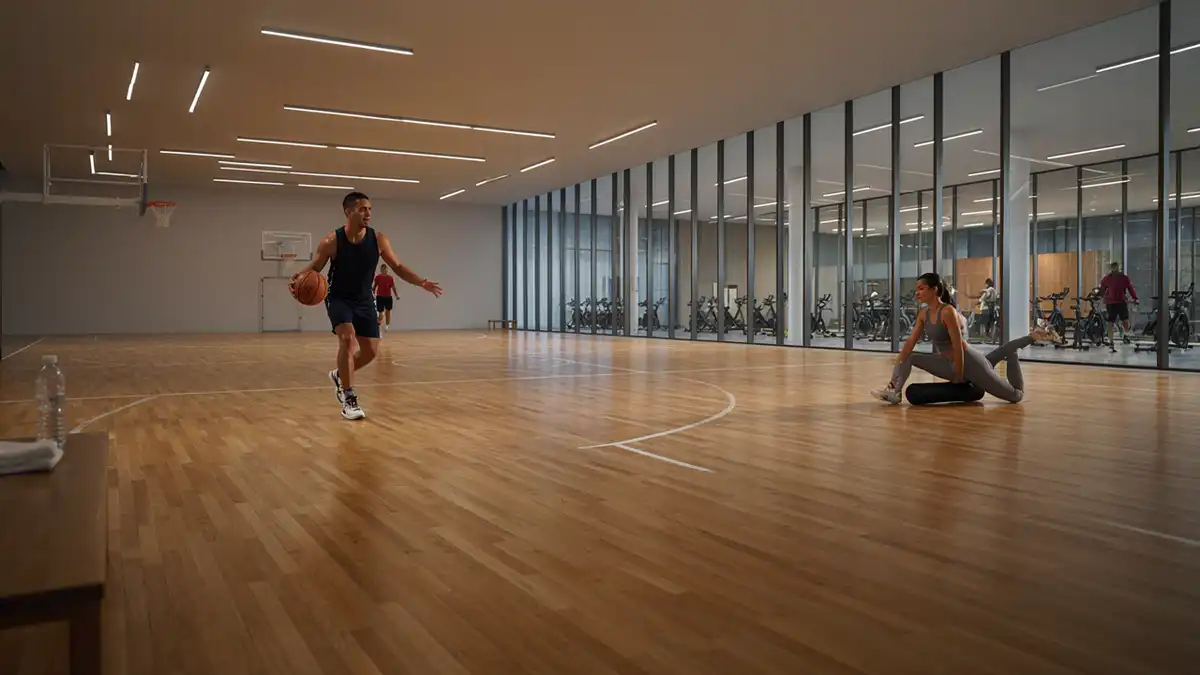
AllSports UAE, which opened in Al Quoz recently, added a 250,000-square-foot indoor multi-sports facility to a city that has historically concentrated its major indoor sporting venues in isolated pockets. Professional hardwood courts for basketball and badminton, a full-sized 4G football pitch, a 25-metre competition swimming pool and what is reportedly the UAE’s largest indoor climbing and squash centre sit under one roof. The facility operates year-round, which matters in a climate where outdoor sport requires either early mornings or the specific window between November and April.
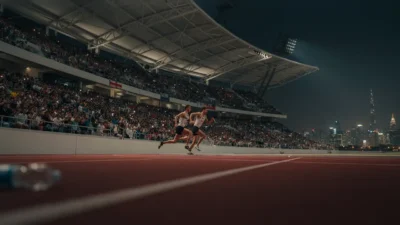
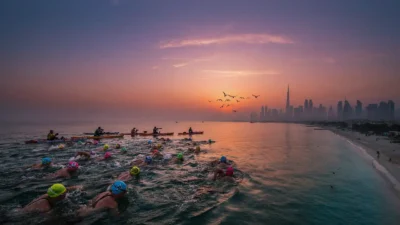
The Dubai T100 Triathlon Weekend arrives at Al Mamzar from November 13th to 15th with an all-female professional race broadcast to 195 countries. Emirates Dubai 7s returns in November. The Dubai Marathon traditionally opens the new year. The DP World Tour Championship closes the European Tour season at Jumeirah Golf Estates every November.
Stack those against each other and the picture that emerges is of a city that is no longer building sporting infrastructure in response to demand — it is building it ahead of demand, investing in the kind of year-round ecosystem that changes what a city means for its residents rather than what it offers its visitors.
Dubai South and the Long Game
The location of Emaar South Golf Club is as significant as the facility itself.
Dubai South has been positioning itself for years as the emirate’s next major urban centre, anchored by the expansion of Al Maktoum International Airport and the residential communities growing around it. Expo City Dubai sits nearby. The logistics corridor connecting Dubai South to Jebel Ali Port makes it one of the most strategically important areas in the UAE’s economic geography.
What it has lacked is the lifestyle infrastructure that turns a residential address into a genuine neighbourhood rather than a commuting base. A championship golf club, with a restaurant and leisure facilities designed for regular use rather than occasional visits, is exactly the kind of anchor that changes that calculation.
It is also a signal to the sporting and leisure market more broadly. Where Emaar builds, the rest of the market pays attention. Emaar South Golf Club is not just a golf course. It is a statement about where Dubai’s next chapter of sports and lifestyle development is being written.
The tee times for Q4 2026 are not yet confirmed. But the direction of travel is clear enough.