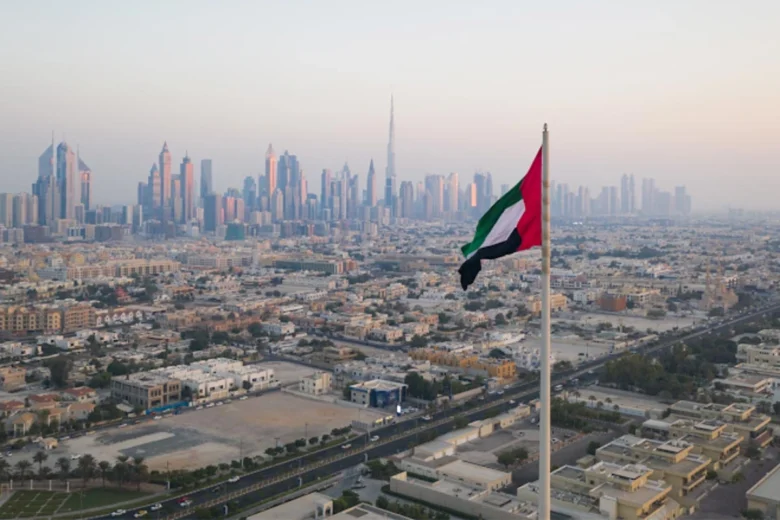
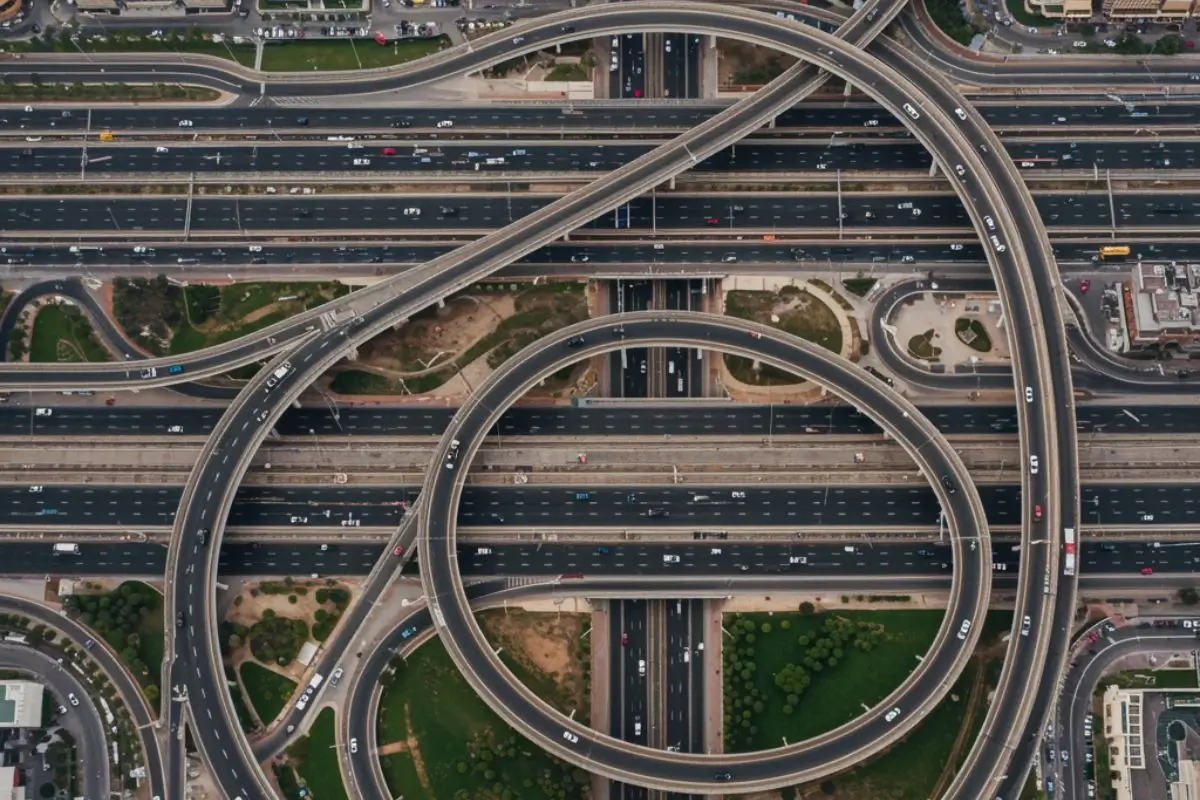
Across vital road junctions, large-scale improvements take place to increase space for traffic flow while linking neighborhoods more effectively, serving roughly 650,000 people in various areas through enhanced access.
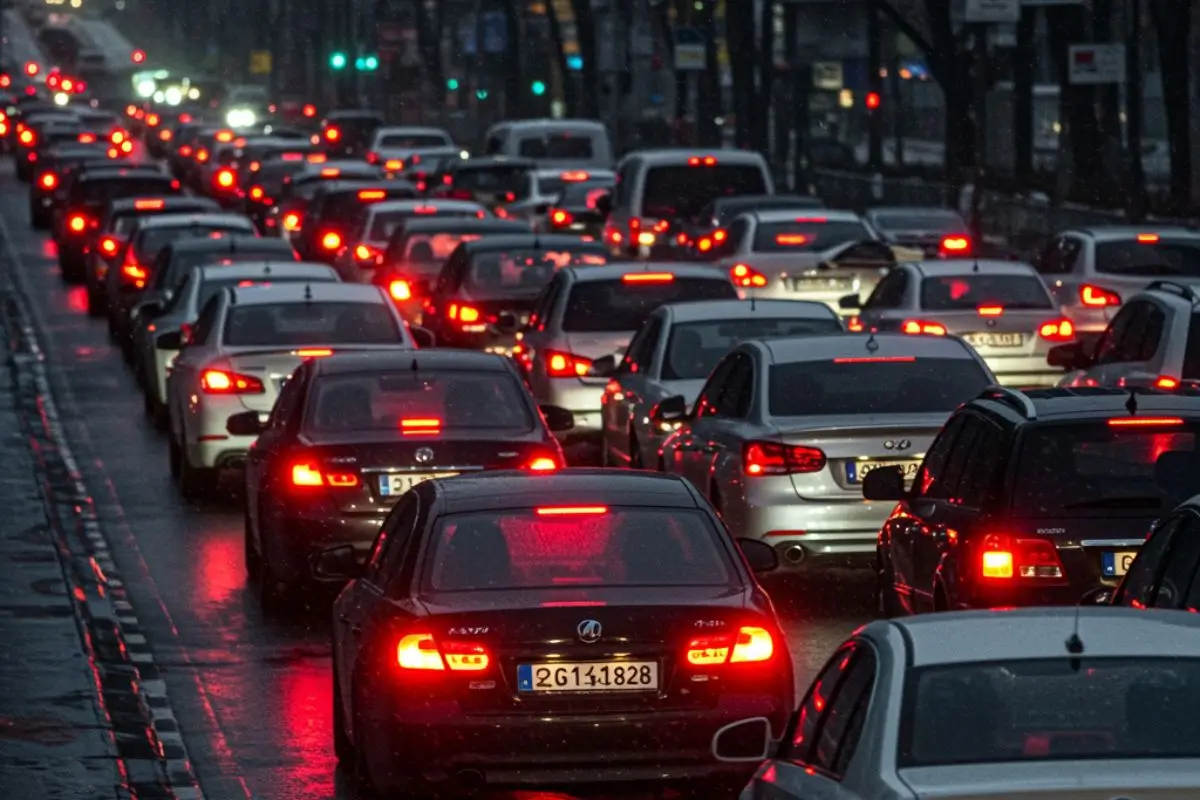
Following approval by Dubai’s transport authority, construction begins on the next segment of the Hessa Street project. This section covers three kilometres linking Al Khail Road with Sheikh Mohammed bin Zayed Road. Travel duration along the route should decrease sharply after work finishes. Currently twenty-four minutes long, trips may take only five minutes instead. Part of a broader urban improvement effort, the expansion targets persistent traffic bottlenecks. Progress here reflects ongoing adjustments to movement patterns across key districts under the Hessa Street project.
The Hessa Street project initiative comes from Dubai’s Roads and Transport Authority, targeting around 650,000 people living in ten distinct neighborhoods. Progress here supports broader plans for movement across the region over time through the Hessa Street project.
Expanding Capacity and Upgrading Infrastructure
An important element of the Hessa Street project initiative is the improvement of three primary junctions by building overpasses that span 8,835 metres together with an underground passage measuring 480 metres. Access locations on linking routes see modifications as well, aiming at more consistent vehicle movement as part of the Hessa Street project.
Twice as many cars may move along Hessa Street each hour — rising from four thousand to eight thousand. With smoother flow replacing choke points, travel durations should fall noticeably over time. Efficiency gains come just as city expansion places greater demands on infrastructure. Growth ahead finds support in these upgrades under the Hessa Street project, whether measured today or years into the future. Progress shows not in slogans but in minutes saved, lane by lane through the Hessa Street project.
Progress in Phase 1 and Next Steps
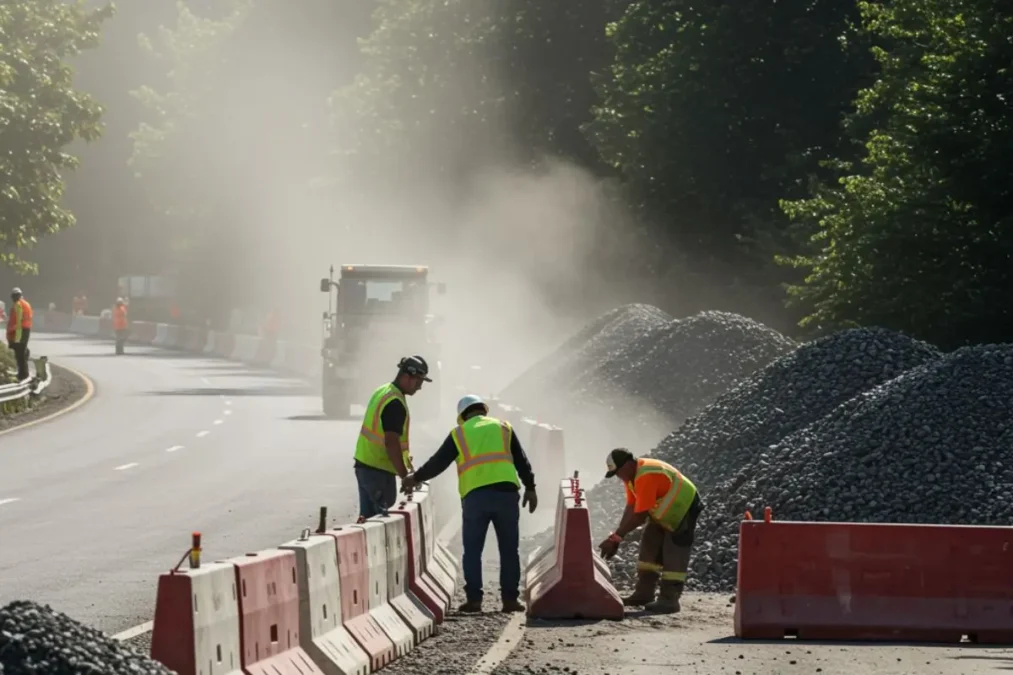
April marks the opening of Phase 1 on Hessa Street, as verified by the RTA within the Hessa Street project timeline. Completed bridges form part of this segment, alongside modernized intersections. Cycling lanes appear here for the first time, supporting varied transport methods. Progress unfolds gradually, yet key structures now serve public movement. Each component aligns with broader urban access goals under the Hessa Street project, without drawing attention to itself. Movement gains subtle improvements where infrastructure once lagged behind demand.
Starting at Hessa Street, work spanned four key junctions, they are connections to Sheikh Zayed Road, First Al Khail Street, Al Asayel Street, and Al Khail Road. Rather than two lanes per direction, there are now four, allowing more vehicles through over time as part of the Hessa Street project. Efficiency improved due to the increase in lane county across the stretch.
In late 2024, a significant step unfolded, a bridge spanning 1 kilometre opened, connecting Hessa Street straight to Al Khail Road. This link cut crossing duration sharply — what once took fifteen minutes now requires only three. Progress emerged quietly through infrastructure, altering movement patterns across the area under the Hessa Street project.
Phase 2 Engineering Enhancements
Beginning with adjustments at the junction, work progresses on layered improvements along Hessa Street near Al Khail Road under the Hessa Street project. Directional changes emerge through widened travel paths — four lanes now extend both ways. Instead of merging abruptly, vehicles separate into dedicated collection routes designed for looping patterns. Elevated connections rise above ground level; two higher tiers of ramps form gradual transitions. Movement continues without stopping, guided by vertical alignment shifts created through the Hessa Street project.
A capacity of 18,200 vehicles each hour defines the expanded interchange, revealing its role within Dubai’s transport system. Though large in output, the structure follows functional demands set by urban growth patterns through the Hessa Street project.
A stretch of 525 metres featuring interwoven lanes forms a ramp that separates vehicle flows at the junction of Al Khail Road and Al Khamila Street. With movement divided, collisions become less likely while delays decrease over time. Efficiency rises where paths once crossed without control. Now, direction is guided through design rather than chance under the Hessa Street project.
Connectivity to Residential Communities
A key aim behind the Hessa Street project initiative involves improving access among expanding neighborhoods — Jumeirah Village Circle (JVC), for instance, along with Al Barsha South 1 and nearby zones. Despite varying layouts, movement between these areas gains fluidity through updated infrastructure. Where development accelerates, linkages matter more; here, routes adapt accordingly through the Hessa Street project. Over time, travel patterns shift, so road networks respond. With population clusters spreading outward, connections must keep pace. Through structured updates, disjointed segments begin aligning under the Hessa Street project. Not every district connects easily today, yet progress reshapes limitations. As housing zones multiply, thoroughfares evolve in parallel. Because urban spread continues, mobility solutions require constant reassessment through the Hessa Street project.
A span of 780 metres forms the core of the new crossing, connecting Al Khamila Street directly to JVC. From this structure, several raised roadways branch out, enabling smoother transitions among Hessa Street, Al Khail Road, and nearby areas. As a result of these additions, time spent on journeys should decline notably for people moving through Dubai’s growing outer zones under the Hessa Street project.
Tunnel Construction and Local Road Improvements
An important feature of the Hessa Street project involves building a 480-metre tunnel with two lanes, linking JVC traffic straight to Sheikh Mohammed bin Zayed Road. As an outcome, through-traffic flow improves while stress on ground-level crossings diminishes under the Hessa Street project.
Stretching 2.5 kilometres toward Dubai Science Park, Al Hadaeq Street will become wider, evolving into a two-way road with three lanes on either side. Where roundabouts currently stand, traffic signals will appear instead — this shift is expected to support about 4,400 vehicles every hour through improvements linked to the Hessa Street project.
Cycling Meets Micromobility
Starting at Dubai Hills, a 10.4-km route extends toward Dubai Motor City, designed for cyclists and e-scooter users as part of the Hessa Street project. Rather than focusing only on vehicles, this pathway links areas such as Al Barsha South, Arjan, Dubai Science Park, and Motor City. Movement between neighborhoods gains support through dedicated lanes. Following completion, travel by non-motorized means becomes more accessible across these zones under the Hessa Street project.
With Phase 1 came a 13.5-kilometre segment stretching from Al Sufouh to Dubai Hills. Connection at Dubai Internet City Metro Station was included, enhancing access for initial and final travel legs through the Hessa Street project.
Along Sheikh Zayed Road and Al Khail Road, two uniquely designed bridges serve cyclists and pedestrians. While improving access, these structures prioritize user safety through thoughtful form. Because of their distinct architecture, movement across busy routes becomes less hazardous. Where motor traffic dominates, such crossings offer an alternative path. Despite urban scale, human-scale travel is supported here through the Hessa Street project. Through careful placement, connectivity increases without disrupting flow.

Strategic Importance for Dubai’s Growth
Now underway, the Hessa Street project aligns with Dubai’s long-term focus on building essential structures to match rising population numbers, city spread, and business activity. Because travel duration drops significantly, daily movement becomes more efficient, along with expanded roadway space. Improved access links neighborhoods and work centers, offering smoother routines for people living nearby. As a result, everyday convenience rises alongside stronger regional integration through the Hessa Street project.
Progress in each phase marks steady momentum for the Hessa Street project. In upcoming years, movement patterns may shift noticeably through emerging neighborhoods of Dubai. This corridor could play a central role in redefining how people travel across these areas. Over time, its influence on urban transit might grow more evident. Development continues without delay, following current timelines closely under the Hessa Street project.